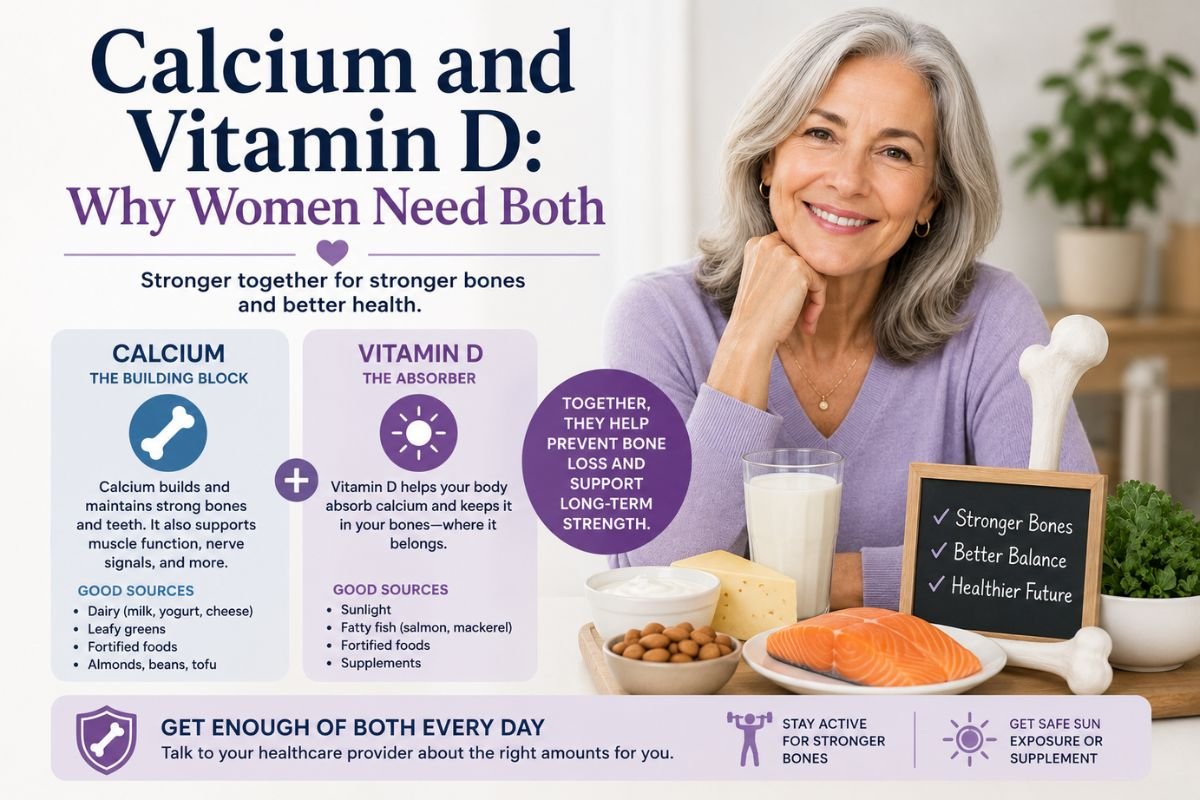
When it comes to maintaining long-term health, calcium and vitamin D are two nutrients women simply cannot afford to overlook. While both nutrients are important individually, they work together to support strong bones, healthy muscles, and overall well-being. Unfortunately, many American women do not get enough of either nutrient, which can increase the risk of health problems as they age.
Understanding why calcium and vitamin D are essential—and how they work together—can help women make informed choices about their diet and lifestyle.
The Importance of Calcium for Women
Calcium is the most abundant mineral in the human body. Nearly all of it is stored in bones and teeth, where it helps provide structure and strength. Beyond bone health, calcium also plays a critical role in muscle function, nerve signaling, blood clotting, and heart function.
Women have unique calcium needs throughout life. During adolescence, calcium supports the rapid bone growth that occurs during the teenage years. In adulthood, it helps maintain bone density. After menopause, calcium becomes even more important because declining estrogen levels can accelerate bone loss.
If the body does not get enough calcium from food, it begins drawing calcium from the bones, which may gradually weaken them over time.
Why Vitamin D Matters
Vitamin D is often called the “sunshine vitamin” because the body can produce it when the skin is exposed to sunlight. However, many Americans spend much of their time indoors, use sunscreen regularly, or live in areas with limited sunlight during certain seasons, making vitamin D deficiency relatively common.
Vitamin D plays several important roles in the body, but one of its most critical functions is helping the body absorb calcium. Without adequate vitamin D, the body cannot efficiently absorb the calcium consumed through food or supplements.
In addition to supporting bone health, vitamin D contributes to immune function, muscle health, and overall wellness.
How Calcium and Vitamin D Work Together
Think of calcium as the building material for strong bones and vitamin D as the key that helps the body use that material effectively.
Even if a woman consumes enough calcium, low vitamin D levels can limit calcium absorption. This means the body may not receive the full benefits of calcium intake. Together, these nutrients help maintain bone strength and support healthy aging.
This partnership becomes particularly important for women over age 50, when the risk of osteoporosis and fractures begins to increase.
Women at Higher Risk of Deficiency
Certain groups of women may be more likely to have low calcium or vitamin D levels, including:
- Postmenopausal women
- Women who avoid dairy products
- Individuals with limited sun exposure
- Older adults
- Women following restrictive diets
- Those with certain digestive disorders that affect nutrient absorption
Because risk factors vary from person to person, it’s important to discuss nutritional needs with a healthcare provider.
Best Food Sources of Calcium
Many foods can help women meet their daily calcium needs. Excellent sources include:
- Milk, yogurt, and cheese
- Fortified plant-based milk alternatives
- Leafy green vegetables such as kale and collard greens
- Tofu made with calcium sulfate
- Canned salmon and sardines with bones
- Fortified cereals and juices
Including a variety of calcium-rich foods throughout the day can help support healthy intake levels.
Best Sources of Vitamin D
Vitamin D is naturally found in relatively few foods, but several options can contribute to daily intake:
- Fatty fish such as salmon, tuna, and mackerel
- Egg yolks
- Fortified milk and plant-based beverages
- Fortified cereals
- Vitamin D supplements when recommended by a healthcare professional
Moderate sun exposure may also help the body produce vitamin D, although factors such as location, season, skin tone, and sunscreen use can affect production.
How Much Do Women Need?
Nutritional requirements vary based on age and individual circumstances. In general, adult women should focus on consistently meeting recommended intake levels through a balanced diet and healthy lifestyle habits.
Women who are pregnant, breastfeeding, or postmenopausal may have different nutritional needs and should consult their healthcare provider for personalized guidance.
Simple Tips to Support Bone Health
Supporting calcium and vitamin D intake doesn’t have to be complicated. Consider these practical habits:
- Include calcium-rich foods in daily meals
- Spend time outdoors when appropriate and safe
- Eat vitamin D-fortified foods
- Stay physically active, especially with weight-bearing exercises
- Avoid smoking and excessive alcohol consumption
- Discuss supplements with a healthcare provider if needed
Small lifestyle changes can make a meaningful difference in long-term bone health.
Visit our homepage to find the best and most trusted dietary supplements in the United States.
Final Thoughts
Calcium and vitamin D are a powerful team when it comes to supporting women’s health. Calcium provides the foundation for strong bones, while vitamin D helps the body absorb and use calcium effectively. Together, they play a vital role in maintaining bone strength, muscle function, and overall wellness.
For American women of all ages, making these nutrients a priority can help support healthy aging and reduce the risk of bone-related issues later in life. By focusing on nutritious foods, healthy habits, and regular medical guidance, women can take proactive steps toward lifelong health.