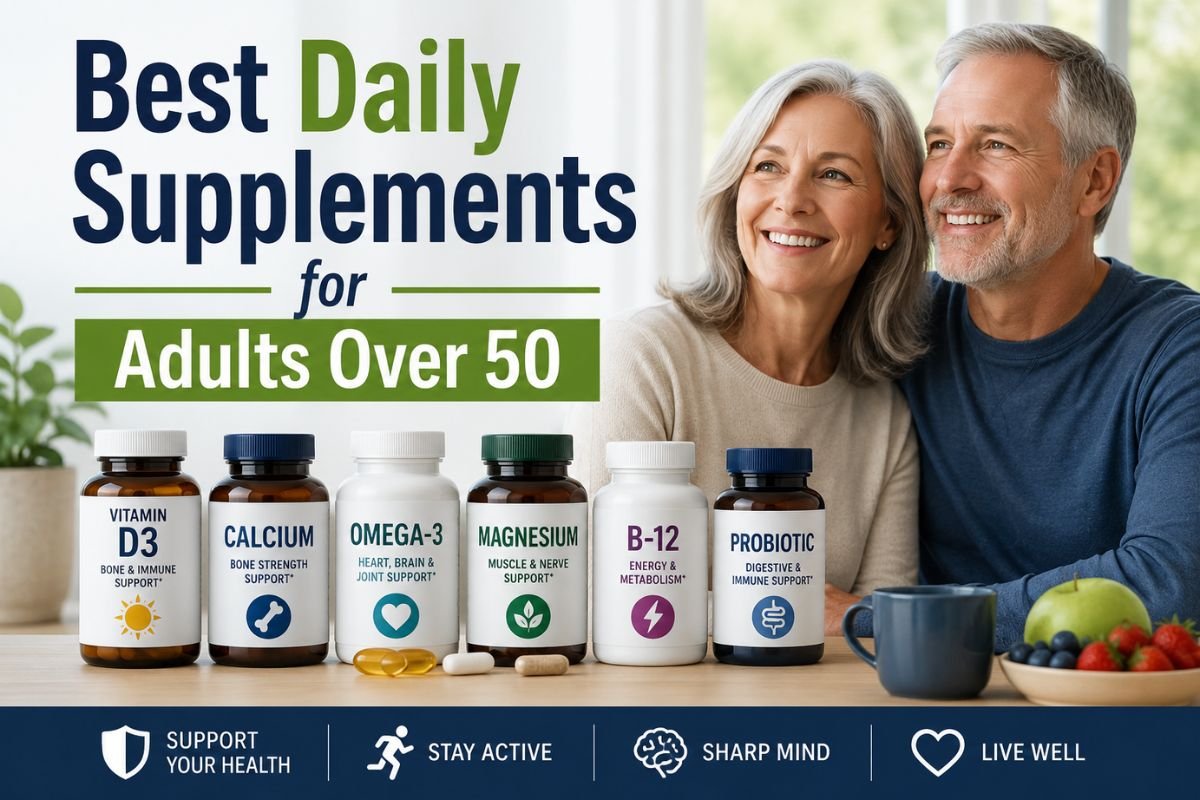
As Americans age, their nutritional needs often change. After the age of 50, the body may become less efficient at absorbing certain nutrients, while the risk of age-related health concerns can increase. Although a balanced diet remains the foundation of good health, many adults over 50 turn to dietary supplements to help fill nutritional gaps and support overall wellness.
The best daily supplements for adults over 50 can vary depending on individual health needs, lifestyle, and dietary habits. However, several nutrients are commonly recommended because they play important roles in maintaining bone health, heart health, cognitive function, and immune support.
Vitamin D
Vitamin D is one of the most important nutrients for older adults. It helps the body absorb calcium, which is essential for maintaining strong bones and reducing the risk of fractures. As people age, their skin becomes less effective at producing vitamin D from sunlight, making deficiency more common.
Low vitamin D levels have also been linked to muscle weakness and impaired immune function. Since many Americans spend significant time indoors or use sunscreen regularly, supplementation may help maintain healthy vitamin D levels throughout the year.
Calcium
Calcium is critical for bone health, especially for adults over 50. Bone density naturally decreases with age, increasing the risk of osteoporosis and fractures. Women are particularly vulnerable after menopause due to hormonal changes that can accelerate bone loss.
While dairy products, leafy greens, and fortified foods provide calcium, some individuals may struggle to meet their daily requirements through diet alone. A calcium supplement can help support healthy bones when dietary intake is insufficient. Many healthcare professionals recommend combining calcium with vitamin D for optimal absorption.
Vitamin B12
Vitamin B12 supports nerve function, red blood cell production, and energy metabolism. Unfortunately, the body’s ability to absorb vitamin B12 often declines with age. Certain medications commonly used by older adults can further reduce absorption.
A deficiency in vitamin B12 may lead to fatigue, weakness, memory issues, and neurological symptoms. For this reason, adults over 50 are often encouraged to monitor their vitamin B12 intake and consider supplementation if needed.
Magnesium
Magnesium is involved in hundreds of biological processes throughout the body. It supports muscle function, nerve health, blood sugar regulation, and heart health. Despite its importance, many Americans do not consume enough magnesium through food alone.
For adults over 50, maintaining adequate magnesium levels may help support healthy blood pressure, promote better sleep quality, and contribute to overall wellness. Foods such as nuts, seeds, whole grains, and leafy vegetables are excellent sources, but supplements may be beneficial for some individuals.
Omega-3 Fatty Acids
Omega-3 fatty acids are well known for their potential benefits for heart and brain health. These healthy fats are commonly found in fatty fish such as salmon, mackerel, and sardines. However, many Americans do not eat fish regularly.
Omega-3 supplements, often derived from fish oil or algae, may help support cardiovascular health and cognitive function. Some studies also suggest that omega-3 fatty acids may play a role in maintaining joint comfort and reducing inflammation.
Multivitamins
A quality multivitamin designed for adults over 50 can help address common nutritional gaps. While a multivitamin should not replace a healthy diet, it can provide a convenient source of essential vitamins and minerals.
Many age-specific formulas contain nutrients such as vitamin D, vitamin B12, zinc, and other important micronutrients in amounts tailored to the needs of older adults. These products are particularly useful for individuals with dietary restrictions or limited food variety.
Probiotics
Digestive health often becomes a greater concern with age. Probiotics are beneficial bacteria that support a healthy balance within the gut microbiome. A healthy digestive system is important for nutrient absorption, immune function, and overall well-being.
While probiotic-rich foods such as yogurt, kefir, and fermented vegetables can be helpful, some adults choose probiotic supplements to support digestive comfort and maintain gut health.
Coenzyme Q10 (CoQ10)
CoQ10 is a naturally occurring compound that helps produce energy within cells. Levels of CoQ10 may decline with age, and certain medications, including some cholesterol-lowering drugs, can further reduce levels.
Many adults over 50 use CoQ10 supplements to support heart health and cellular energy production. Although research is ongoing, CoQ10 remains a popular supplement among older Americans interested in healthy aging.
Choosing Supplements Wisely
Not all supplements are created equal. When selecting a supplement, adults should look for products that have been tested for quality and purity. Reading labels carefully and following recommended dosages is important.
It is also wise to discuss any new supplement with a healthcare provider, especially for individuals taking prescription medications or managing chronic health conditions. Certain supplements can interact with medications or may not be appropriate for everyone.
Conclusion
Maintaining good nutrition becomes increasingly important after the age of 50. While a balanced diet should remain the primary source of nutrients, supplements can play a valuable role in supporting overall health and wellness.
Vitamin D, calcium, vitamin B12, magnesium, omega-3 fatty acids, multivitamins, probiotics, and CoQ10 are among the most commonly recommended daily supplements for older adults. By understanding their benefits and choosing supplements thoughtfully, Americans over 50 can take proactive steps toward supporting healthy aging and maintaining a vibrant lifestyle.