Vitamin C Benefits Beyond Immune Support
Vitamin C is one of the most well-known nutrients in the world, often associated with immune health and cold prevention. Many Americans reach for vitamin C supplements during flu season or when they feel under the weather. However, the benefits of vitamin C extend far beyond supporting the immune system. This essential nutrient plays a vital role in skin health, heart function, antioxidant protection, iron absorption, and overall wellness.
Understanding the broader advantages of vitamin C can help you make informed decisions about your health and nutrition.
What Is Vitamin C?
Vitamin C, also known as ascorbic acid, is a water-soluble vitamin that the human body cannot produce on its own. This means it must be obtained through food or dietary supplements. Common sources include oranges, strawberries, kiwi, bell peppers, broccoli, and tomatoes.
Because vitamin C is involved in numerous biological processes, maintaining adequate levels is important for overall health.
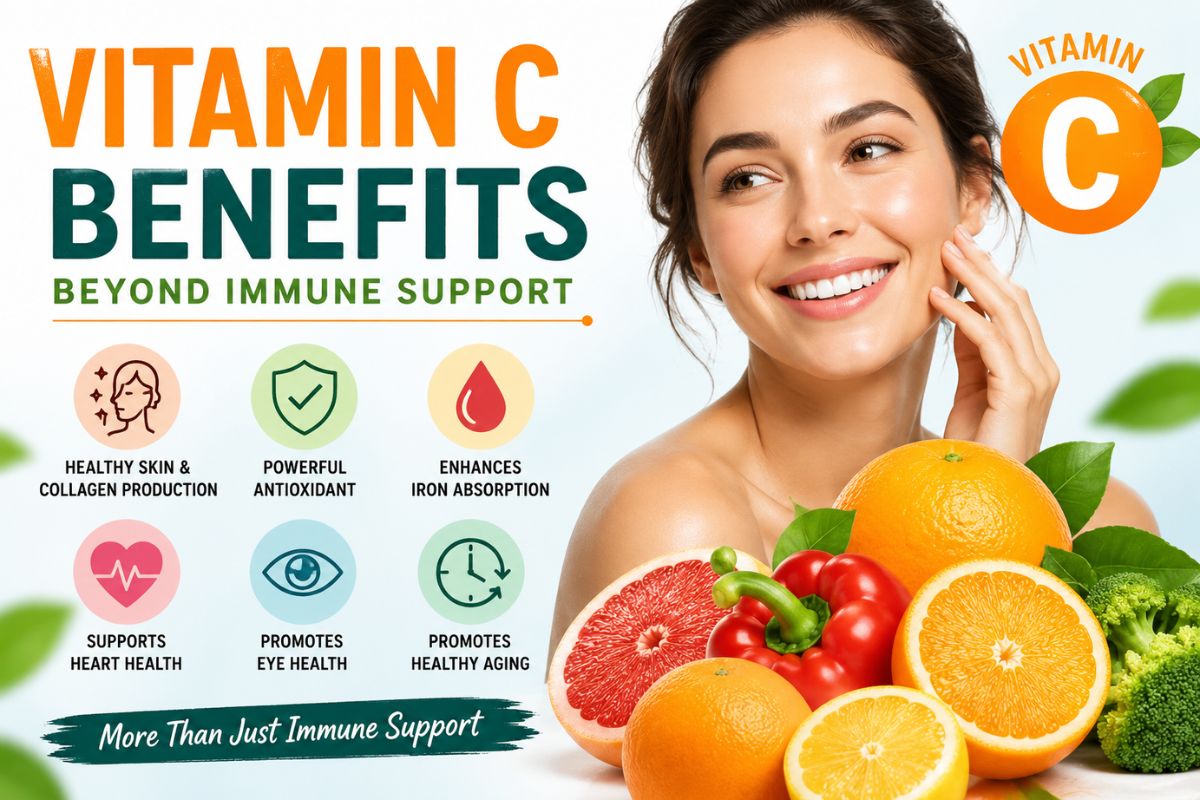
Supports Healthy Skin and Collagen Production
One of the most important yet often overlooked benefits of vitamin C is its role in collagen production. Collagen is the protein responsible for maintaining the structure and elasticity of the skin, blood vessels, bones, and connective tissues.
Vitamin C helps the body synthesize collagen efficiently, which may contribute to:
- Healthier-looking skin
- Improved skin elasticity
- Reduced appearance of fine lines
- Better wound healing
- Stronger connective tissues
This is one reason vitamin C is commonly found in skincare products and beauty supplements. Many Americans interested in healthy aging incorporate vitamin C-rich foods or supplements into their daily routine to support skin health.
Acts as a Powerful Antioxidant
Every day, the body is exposed to free radicals from sources such as pollution, cigarette smoke, UV radiation, and normal metabolic processes. These unstable molecules can contribute to oxidative stress, which may damage cells over time.
Vitamin C functions as a powerful antioxidant, helping neutralize free radicals before they can cause significant harm. By reducing oxidative stress, vitamin C may support overall cellular health and help protect tissues throughout the body.
A diet rich in antioxidants is often associated with better long-term wellness and healthy aging.
Enhances Iron Absorption
Iron deficiency remains a concern for many Americans, particularly women of childbearing age, vegetarians, and older adults. Vitamin C plays a critical role in improving the absorption of non-heme iron, the form of iron found in plant-based foods.
For example, consuming vitamin C-rich foods alongside beans, spinach, lentils, or fortified cereals can help the body absorb more iron from these sources.
This benefit may be especially valuable for individuals following plant-based diets who want to maximize nutrient intake naturally.
Supports Heart Health
Heart disease remains one of the leading health concerns in the United States. While vitamin C is not a cure or treatment for cardiovascular conditions, research suggests it may contribute to heart health in several ways.
Vitamin C’s antioxidant properties may help support healthy blood vessel function and protect against oxidative damage. Some studies have also explored potential links between adequate vitamin C intake and healthy blood pressure levels.
Combined with a balanced diet, regular exercise, and healthy lifestyle habits, vitamin C can be part of an overall heart-conscious nutrition plan.
Promotes Healthy Aging
As people age, maintaining cellular health becomes increasingly important. Oxidative stress and inflammation are often associated with the natural aging process.
Vitamin C helps combat oxidative damage and supports collagen production, making it an important nutrient for healthy aging. Many adults over 50 seek ways to maintain energy, mobility, skin health, and overall vitality, and vitamin C can play a supportive role in those efforts.
A nutrient-rich diet that includes sufficient vitamin C may help individuals maintain wellness throughout different stages of life.
Supports Eye Health
Vitamin C is present in high concentrations within the eyes, where it helps protect tissues from oxidative stress. Along with nutrients such as vitamin E, zinc, and lutein, vitamin C is commonly included in nutritional strategies designed to support long-term eye health.
While no single nutrient guarantees healthy vision, adequate vitamin C intake may contribute to maintaining healthy eye function as part of a balanced diet.
May Help Reduce Exercise-Induced Oxidative Stress
Physical activity is essential for health, but intense exercise can temporarily increase oxidative stress in the body. Vitamin C’s antioxidant properties may help support recovery by helping neutralize excess free radicals produced during strenuous activity.
For active adults, athletes, and fitness enthusiasts, consuming enough vitamin C through food or supplements may complement an overall recovery and wellness plan.
Food Sources of Vitamin C
Many Americans can meet their vitamin C needs through a healthy diet. Excellent sources include:
- Oranges and orange juice
- Strawberries
- Kiwi
- Grapefruit
- Bell peppers
- Broccoli
- Brussels sprouts
- Tomatoes
- Cantaloupe
- Pineapple
Eating a variety of fruits and vegetables throughout the day can help ensure adequate intake of this important nutrient.
Should You Consider a Vitamin C Supplement?
While many people obtain enough vitamin C from food, supplements may be useful for those with limited fruit and vegetable intake or increased nutritional needs. Vitamin C supplements are widely available in tablets, capsules, powders, and chewable forms.
Before adding any supplement to your routine, it’s important to consider your individual health needs and discuss supplementation with a qualified healthcare professional.
Indo Health is dedicated to helping you discover the best and most trusted dietary supplements available in the United States.
Final Thoughts
Vitamin C is much more than an immune-support nutrient. From collagen production and skin health to antioxidant protection, iron absorption, heart wellness, and healthy aging, this essential vitamin contributes to many aspects of overall health.
By consuming vitamin C-rich foods regularly and maintaining a balanced lifestyle, Americans can take advantage of the many benefits this versatile nutrient has to offer.
Health Disclaimer: This article is for informational and educational purposes only and should not be considered medical advice. Always consult a qualified healthcare professional before making changes to your diet, supplement routine, or healthcare plan. Individual needs and health conditions may vary.