How Supplements Can Support Active Aging
Aging is a natural part of life, but growing older doesn’t mean slowing down. Across the United States, more adults are embracing the concept of active aging—maintaining physical health, mental sharpness, independence, and a high quality of life well into their later years. While a balanced diet, regular exercise, quality sleep, and preventive healthcare remain the foundation of healthy aging, dietary supplements may also play a supportive role.
As people age, their nutritional needs can change. Certain vitamins, minerals, and other nutrients may become harder to obtain from food alone due to changes in appetite, digestion, or lifestyle habits. Understanding how supplements can support active aging may help older adults make informed decisions about their wellness routines.
Why Nutrition Matters More With Age
The body’s nutritional requirements evolve over time. Adults over 50 may experience changes in metabolism, muscle mass, bone density, and nutrient absorption. In some cases, these changes can increase the risk of nutrient deficiencies.
For example, the body’s ability to absorb vitamin B12 often decreases with age, while vitamin D production from sunlight may decline. Additionally, maintaining muscle strength and bone health becomes increasingly important for preserving mobility and independence.
A nutrient-rich diet should always be the primary source of vitamins and minerals, but supplements can help fill nutritional gaps when needed.
Vitamin D and Calcium for Bone Health
Strong bones are essential for maintaining an active lifestyle. As people age, bone density naturally declines, increasing the risk of fractures and osteoporosis.
Vitamin D helps the body absorb calcium, a mineral critical for bone strength. Many Americans, especially older adults, may not get enough vitamin D through sunlight exposure or diet alone. Supplementing with vitamin D and calcium under the guidance of a healthcare professional may help support bone health and reduce the risk of age-related bone issues.
Protein Supplements for Muscle Maintenance
One of the most common changes associated with aging is the gradual loss of muscle mass, a condition known as sarcopenia. Maintaining muscle strength is important for balance, mobility, and performing everyday activities.
Protein plays a key role in muscle maintenance and recovery. While many older adults can meet their protein needs through food, protein powders and ready-to-drink protein beverages may be convenient options for those who struggle to consume enough protein through meals alone.
Combined with regular strength-training exercises, adequate protein intake may help support healthy muscle function as people age.
Omega-3 Fatty Acids for Heart and Brain Health
Omega-3 fatty acids, commonly found in fish oil supplements, have gained attention for their potential benefits for heart and cognitive health.
Research suggests that omega-3s may help support healthy cardiovascular function and contribute to overall brain wellness. Since many Americans do not consume the recommended amount of fatty fish each week, omega-3 supplements are often considered as a way to increase intake.
For older adults looking to maintain an active lifestyle, supporting heart and brain health can be an important part of long-term wellness.
B Vitamins and Energy Support
B vitamins play essential roles in energy production, nervous system function, and red blood cell formation. Vitamin B12 is particularly important for older adults because absorption may decrease with age.
Low levels of vitamin B12 can contribute to fatigue, weakness, and neurological concerns. For this reason, healthcare providers sometimes recommend B12 supplementation for older adults who are at risk of deficiency.
Maintaining adequate B vitamin levels can support overall vitality and help individuals stay engaged in daily activities.
Magnesium for Overall Wellness
Magnesium is involved in hundreds of biochemical processes throughout the body. It supports muscle function, nerve signaling, bone health, and energy metabolism.
Unfortunately, many Americans do not meet the recommended daily intake of magnesium. Some older adults may benefit from supplementation if dietary intake is insufficient.
Magnesium supplements are often used to support muscle relaxation, sleep quality, and overall wellness, making them a popular option among aging adults.
Joint Health Supplements
Staying active often depends on maintaining comfortable joint function. As people age, normal wear and tear can affect joint mobility.
Some adults choose supplements such as glucosamine, chondroitin, collagen peptides, or turmeric extracts to support joint health. While individual results may vary, these supplements are commonly used as part of a broader wellness strategy that includes physical activity and a healthy diet.
Consulting a healthcare provider can help determine whether a joint-support supplement is appropriate for individual needs.
Choosing Supplements Wisely
Not all supplements are created equal. When selecting dietary supplements, consumers should look for reputable brands that follow quality manufacturing standards and undergo third-party testing when possible.
It’s also important to remember that supplements are intended to complement—not replace—a healthy lifestyle. No supplement can substitute for nutritious eating habits, regular exercise, adequate hydration, stress management, and routine medical care.
Before starting any new supplement, especially if taking medications or managing a health condition, individuals should consult a healthcare professional.
Indo Health is dedicated to helping you discover the best and most trusted dietary supplements available in the United States.
The Bottom Line
Active aging is about maintaining health, mobility, and independence throughout life. While a balanced diet remains the cornerstone of healthy aging, supplements may help support nutritional needs that become more challenging to meet with age.
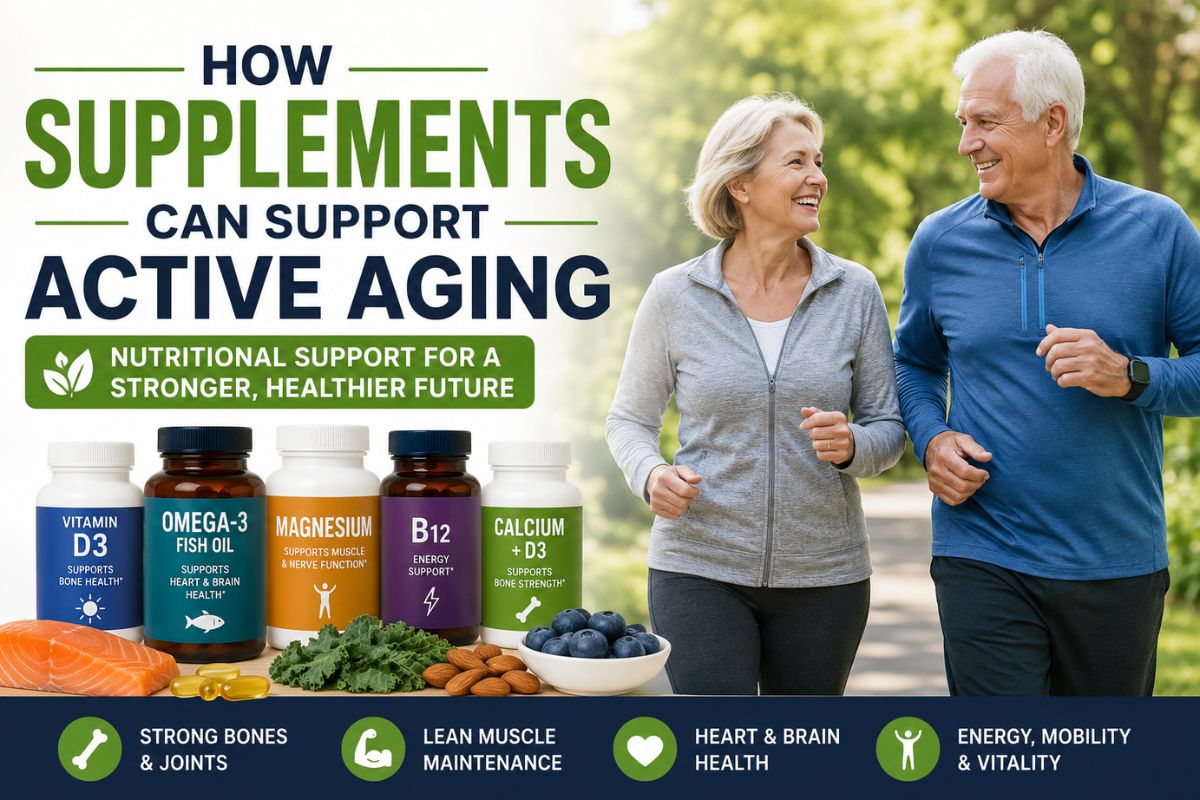
Nutrients such as vitamin D, calcium, protein, omega-3 fatty acids, B vitamins, and magnesium can play valuable roles in supporting bone health, muscle function, heart health, and overall wellness. When used thoughtfully and alongside healthy lifestyle habits, supplements may help older adults stay active, engaged, and thriving for years to come.
Health Disclaimer: This article is for informational purposes only and is not intended as medical advice. Dietary supplements are not intended to diagnose, treat, cure, or prevent any disease. Always consult a qualified healthcare professional before starting any new supplement, especially if you have a medical condition or take prescription medications.