What Supplements Should I Take Daily? A Practical Guide
Walk into any pharmacy or grocery store in America, and you’ll see entire aisles filled with vitamins, minerals, and health supplements. From multivitamins to fish oil and probiotics, the choices can feel overwhelming. Many people ask the same question: What supplements should I take daily?
The truth is, there is no one-size-fits-all answer. The best supplements depend on your age, diet, lifestyle, health goals, and even where you live. However, there are several common supplements that many Americans consider adding to their daily routine to help support overall wellness.
It’s important to remember that supplements are meant to support a healthy diet, not replace nutritious foods. Whole foods should always come first whenever possible.
Why Do People Take Daily Supplements?
Modern lifestyles can make it difficult to get every nutrient from food alone. Busy schedules, processed foods, limited sun exposure, and dietary restrictions can sometimes lead to nutritional gaps.
Many Americans take supplements to support:
- Energy levels
- Bone health
- Immune function
- Heart health
- Digestion
- Overall wellness
For example, an office worker who spends most of the day indoors may not get enough sunlight for healthy vitamin D levels. Similarly, someone following a vegetarian diet may need extra attention to nutrients like vitamin B12 or iron.
Common Daily Supplements
Multivitamins
Multivitamins are among the most popular supplements in the United States. They combine several vitamins and minerals into one convenient product.
A daily multivitamin may help fill small nutritional gaps, especially for people with busy lifestyles or inconsistent eating habits.
For example, Sarah, a 42-year-old teacher from Texas, started taking a basic multivitamin after realizing she often skipped balanced meals during hectic school days. While it didn’t replace healthy eating, it helped her stay more mindful about her overall nutrition.
Vitamin D
Vitamin D plays an important role in bone health and immune function. Many Americans may not get enough vitamin D because they spend long hours indoors or live in areas with limited sunlight during winter.
According to the National Institutes of Health Office of Dietary Supplements, vitamin D plays an important role in bone and immune health.
People living in northern states such as Minnesota or New York often experience less sun exposure during colder months.
Vitamin D supplements are commonly recommended for individuals who have low levels or limited sunlight exposure.
Omega-3 Fish Oil
Omega-3 fatty acids are known for supporting heart and brain health. Fatty fish such as salmon and sardines naturally contain omega-3s, but many Americans do not eat seafood regularly.
Fish oil supplements are a popular option for people looking to increase omega-3 intake.
For instance, Mark, a 55-year-old truck driver from Ohio, started taking fish oil after his doctor encouraged him to pay more attention to heart health and healthy eating habits.
Magnesium
Magnesium supports muscle function, nerve health, and energy production. It is found naturally in foods like nuts, seeds, leafy greens, and whole grains.
However, some people may not consume enough magnesium-rich foods regularly.
Many Americans use magnesium supplements to support relaxation, muscle recovery, or sleep quality.
Probiotics
Probiotics are beneficial bacteria that help support gut health and digestion. Yogurt, kefir, and fermented foods naturally contain probiotics, but supplements are also widely available.
People often use probiotics after taking antibiotics or when trying to improve digestive comfort.
For example, Jennifer from California began using a probiotic supplement after frequent digestive discomfort caused by irregular eating habits while traveling for work.
Vitamin B12
Vitamin B12 is important for energy production and nerve function. It is mostly found in animal-based foods such as meat, eggs, and dairy products.
Vegetarians, vegans, and older adults may sometimes need extra B12 support.
Many plant-based eaters in America choose B12 supplements to help maintain balanced nutrition.
Should Everyone Take Supplements?
Not necessarily. Some people meet their nutritional needs through a healthy and balanced diet alone.
Others may benefit from targeted supplements based on their lifestyle, age, or health needs. This is why healthcare professionals often recommend blood tests or nutritional evaluations before starting certain supplements.
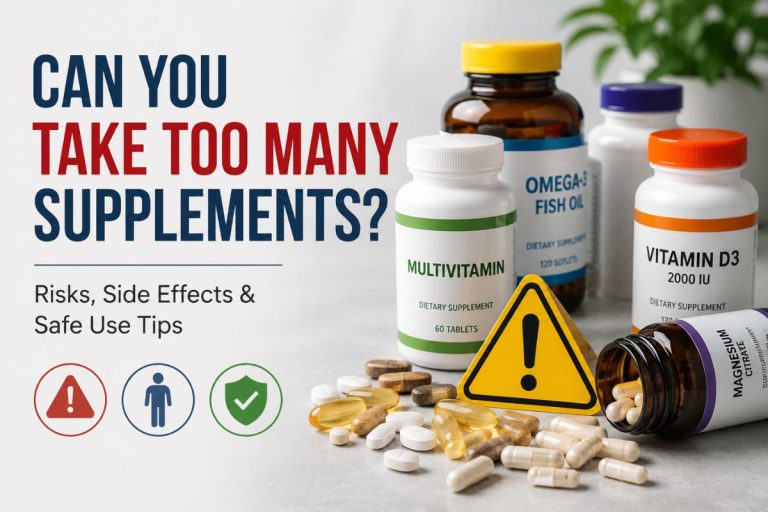
Taking unnecessary or excessive supplements can sometimes do more harm than good.
Tips for Choosing Supplements
Look for Third-Party Testing
In the United States, supplement quality can vary between brands. Choosing products tested by independent organizations may help ensure better quality and accuracy.
Avoid Mega Doses
More is not always better. Extremely high doses of certain vitamins and minerals may cause unwanted side effects.
Read Labels Carefully
Pay attention to ingredient lists, serving sizes, and added fillers or sugars.
Talk to a Healthcare Professional
People with medical conditions or those taking medications should speak with a healthcare provider before starting supplements.
Lifestyle Still Matters Most
Even the best supplements cannot replace healthy habits. A nutritious diet, regular exercise, quality sleep, hydration, and stress management remain the foundation of good health.
Supplements work best when combined with an overall healthy lifestyle. You can visit our homepage to find the best supplements available in the US market.
Final Thoughts
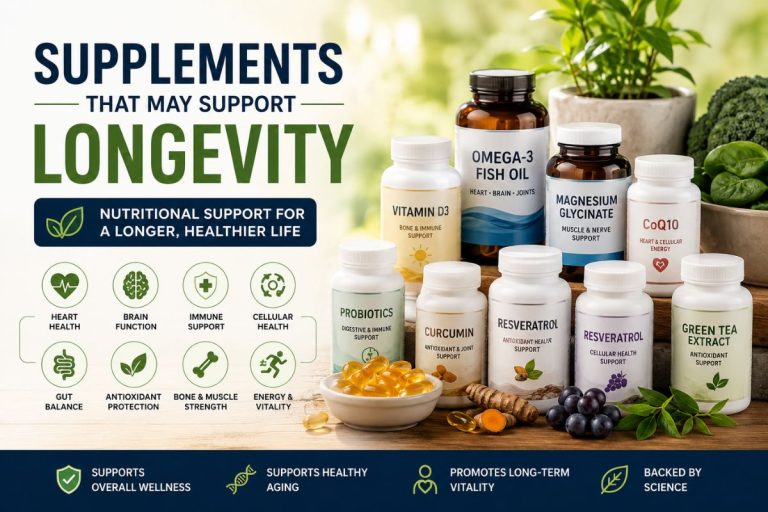
So, what supplements should you take daily? For many Americans, common choices include multivitamins, vitamin D, omega-3 fish oil, magnesium, probiotics, and vitamin B12. However, the right supplements depend on individual needs and lifestyle factors.
Instead of following trends blindly, focus on understanding your own nutrition and health goals. Small daily habits, balanced eating, and informed supplement choices can help support long-term wellness naturally.