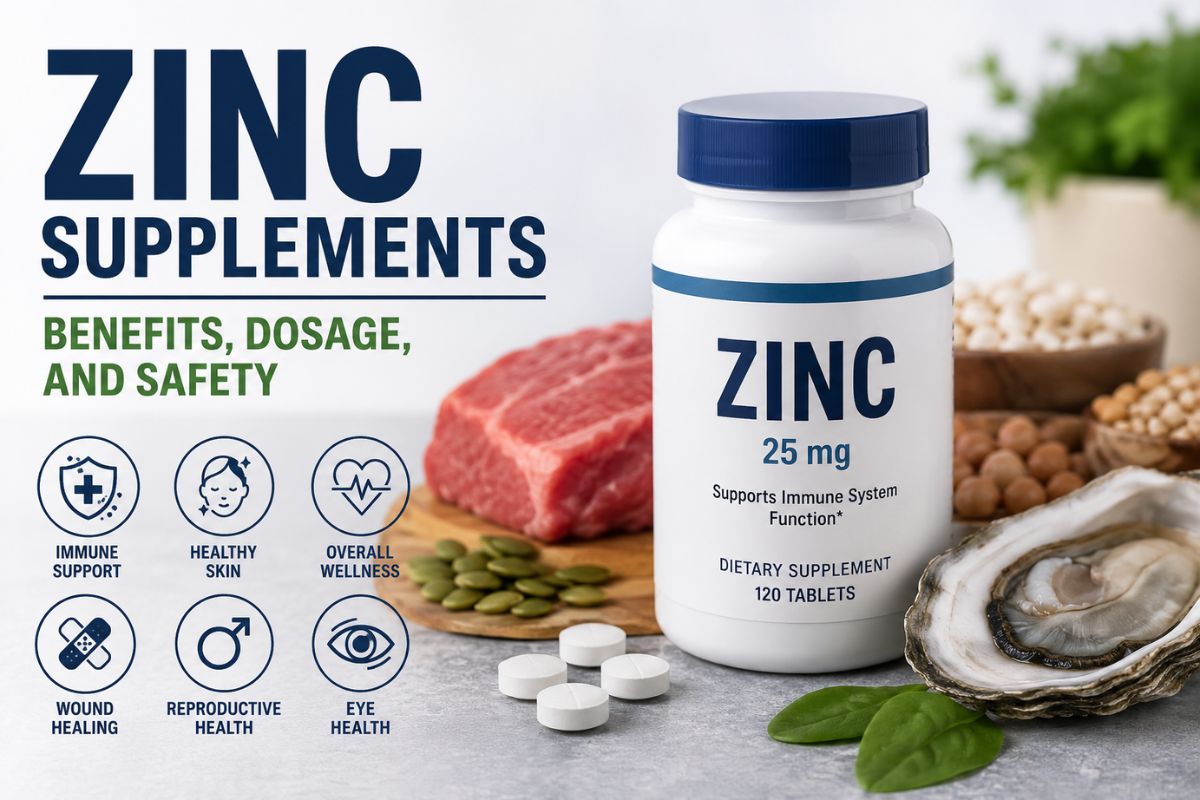
Zinc Supplements: Benefits, Dosage, and Safety
Zinc is an essential mineral that plays a vital role in hundreds of biological processes throughout the body. Although it is needed only in small amounts, zinc is crucial for immune function, wound healing, cell growth, DNA synthesis, and overall health. Because the human body cannot produce or store zinc, it must be obtained regularly through food or supplements.
In the United States, zinc supplements are among the most popular dietary supplements, especially during cold and flu season. Many Americans take zinc to support immune health, but this important mineral offers several other potential benefits as well. Understanding the benefits, recommended dosage, and safety considerations can help consumers make informed decisions about zinc supplementation.
What Is Zinc?
Zinc is a trace mineral found naturally in a variety of foods, including oysters, beef, poultry, seafood, dairy products, beans, nuts, and whole grains. It is involved in more than 300 enzymatic reactions in the body and supports many essential functions.
Zinc contributes to:
- Normal immune system function
- Wound healing
- Protein synthesis
- DNA production
- Cell growth and repair
- Healthy skin
- Reproductive health
- Sense of taste and smell
Because zinc is involved in so many bodily processes, even mild deficiencies can negatively affect overall health.
Benefits of Zinc Supplements
1. Supports Immune Health
One of the most widely recognized benefits of zinc is its role in supporting the immune system. Zinc helps immune cells function properly and may help the body respond effectively to infections.
Some research suggests that zinc lozenges taken shortly after the onset of common cold symptoms may help reduce the duration of illness in certain individuals. While zinc is not a cure for the common cold, maintaining adequate zinc levels is important for immune resilience.
2. Helps Promote Wound Healing
Healthcare professionals have long recognized zinc’s role in wound healing. The mineral supports tissue repair, cell growth, and inflammation control. People with low zinc levels may experience slower healing of cuts, scrapes, and other wounds.
3. Supports Healthy Skin
Zinc is often included in skincare products and dietary supplements because of its role in maintaining healthy skin. It helps regulate inflammation and supports normal skin repair processes. Some individuals use zinc supplements as part of a broader approach to managing skin concerns.
4. May Support Eye Health
Zinc is highly concentrated in the retina and contributes to normal vision. It helps transport vitamin A from the liver to the retina, where it supports the production of protective pigments needed for healthy eyesight.
Some age-related eye health formulas include zinc alongside other nutrients to support vision in older adults.
5. Supports Reproductive Health
Zinc is important for reproductive health in both men and women. In men, it contributes to normal testosterone production and healthy sperm development. Adequate zinc intake is also important during pregnancy because the mineral supports fetal growth and development.
6. Supports Healthy Growth and Development
Children and adolescents require sufficient zinc for proper growth and development. Zinc deficiency during childhood may affect growth, immune function, and overall development. Parents should consult a healthcare professional before giving supplements to children.
Recommended Zinc Dosage
The recommended daily allowance (RDA) for zinc varies based on age, sex, and life stage.
General recommendations for adults in the United States include:
- Adult men: 11 mg per day
- Adult women: 8 mg per day
- Pregnant women: 11 mg per day
- Breastfeeding women: 12 mg per day
Many over-the-counter zinc supplements provide between 15 mg and 50 mg per serving. While these amounts are commonly available, more is not always better. Excessive zinc intake can lead to unwanted side effects and nutrient imbalances.
Zinc is available in several forms, including:
- Zinc gluconate
- Zinc citrate
- Zinc picolinate
- Zinc sulfate
- Zinc acetate
Each form contains varying amounts of elemental zinc, which is the actual amount of zinc your body can use.
Can You Get Enough Zinc from Food?
Many Americans can meet their zinc needs through a balanced diet. Foods rich in zinc include:
- Oysters
- Beef
- Chicken
- Turkey
- Crab
- Dairy products
- Pumpkin seeds
- Beans
- Lentils
- Cashews
Vegetarians and vegans may need to pay closer attention to zinc intake because plant-based foods contain compounds called phytates, which can reduce zinc absorption.
Safety and Potential Side Effects
When used appropriately, zinc supplements are generally considered safe for most healthy adults. However, taking too much zinc can cause side effects.
Common side effects may include:
- Nausea
- Stomach discomfort
- Vomiting
- Diarrhea
- Headaches
- Metallic taste in the mouth
Long-term excessive zinc intake can interfere with copper absorption and potentially lead to copper deficiency. It may also affect immune function and cholesterol levels when taken in very high amounts over extended periods.
The tolerable upper intake level (UL) for adults is generally 40 mg of zinc per day from all sources unless otherwise directed by a healthcare provider.
Who May Benefit from Zinc Supplements?
Certain individuals may be more likely to benefit from zinc supplementation, including:
- Older adults
- Vegetarians and vegans
- Individuals with digestive disorders that affect nutrient absorption
- People with restricted diets
- Those diagnosed with a zinc deficiency by a healthcare professional
For most healthy adults, zinc supplements should complement a balanced diet rather than replace healthy eating habits.
Indo Health is dedicated to helping you discover the best and most trusted dietary supplements available in the United States.
Final Thoughts
Zinc is a critical mineral that supports immune health, wound healing, skin health, vision, and numerous other bodily functions. While many Americans can obtain adequate zinc through food, supplements may be beneficial for certain individuals who struggle to meet their nutritional needs.
As with any dietary supplement, the key is moderation. Taking zinc within recommended guidelines can help support overall wellness while minimizing the risk of side effects. Before starting a new supplement regimen, it is always wise to consult a qualified healthcare professional, especially if you have underlying medical conditions or take prescription medications.
Health Disclaimer: This article is for informational and educational purposes only and should not be considered medical advice. Always consult a qualified healthcare provider before starting, stopping, or changing any supplement regimen. Individual nutritional needs and health conditions may vary.