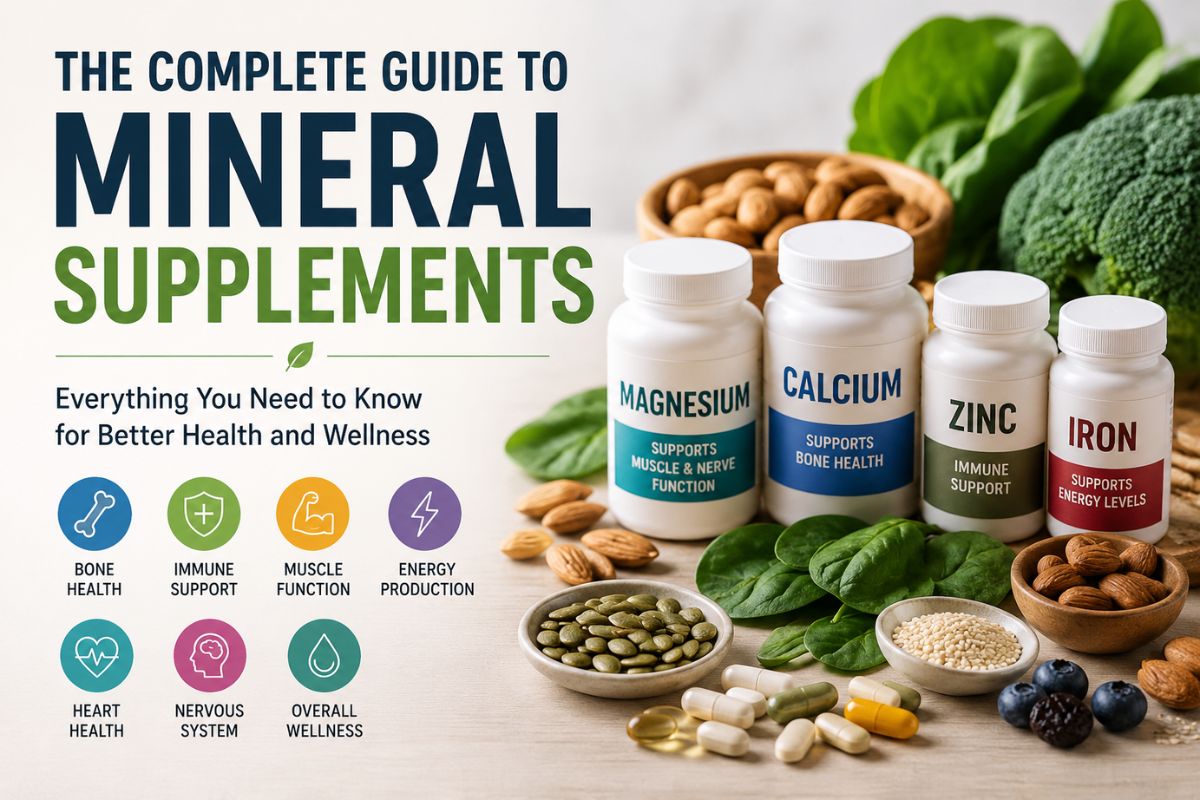
The Complete Guide to Mineral Supplements
Minerals are essential nutrients that play a vital role in maintaining overall health and wellness. While many Americans obtain minerals through a balanced diet, factors such as busy lifestyles, dietary restrictions, aging, and certain health conditions can make it challenging to meet daily nutritional needs. This is where mineral supplements may help fill nutritional gaps.
In this complete guide, we’ll explore what mineral supplements are, why they’re important, the most common types, and how to choose them wisely.
What Are Mineral Supplements?
Mineral supplements are products designed to provide essential minerals that the body needs to function properly. Unlike vitamins, minerals are inorganic substances naturally found in soil, water, and food. They support numerous bodily functions, including bone health, muscle function, nerve signaling, immune support, and energy production.
Minerals are generally classified into two categories:
Major Minerals
The body requires these minerals in larger amounts:
- Calcium
- Magnesium
- Potassium
- Sodium
- Phosphorus
- Chloride
- Sulfur
Trace Minerals
These are needed in smaller amounts but remain equally important:
- Iron
- Zinc
- Copper
- Selenium
- Manganese
- Chromium
- Iodine
- Molybdenum
Why Are Minerals Important?
Every cell in the human body relies on minerals to perform essential functions. Without adequate mineral intake, the body may struggle to maintain normal processes.
Some key benefits of minerals include:
Supporting Bone Health
Calcium, phosphorus, and magnesium help build and maintain strong bones and teeth. These minerals become especially important as adults age and bone density naturally declines.
Promoting Muscle Function
Magnesium, potassium, calcium, and sodium work together to support muscle contractions and relaxation. Deficiencies may contribute to muscle cramps or weakness.
Supporting Heart Health
Potassium and magnesium help regulate heart rhythm and support healthy blood pressure levels when consumed as part of a balanced diet.
Boosting Immune Function
Zinc and selenium play important roles in supporting the immune system and protecting cells from oxidative stress.
Enhancing Energy Production
Iron helps transport oxygen throughout the body, while magnesium contributes to hundreds of biochemical reactions involved in energy metabolism.
Common Mineral Supplements and Their Benefits
Calcium
Calcium is one of the most popular supplements in the United States. It supports bone strength, muscle function, and nerve communication.
Individuals who may benefit include:
- Older adults
- Postmenopausal women
- People who consume little dairy
Magnesium
Magnesium participates in over 300 biochemical processes in the body. It supports muscle function, nerve health, sleep quality, and energy production.
Many Americans do not consume enough magnesium-rich foods, making supplementation a common choice.
Iron
Iron is essential for producing hemoglobin, a protein that carries oxygen in the blood.
People who may need additional iron include:
- Women of childbearing age
- Pregnant women
- Individuals with diagnosed iron deficiency
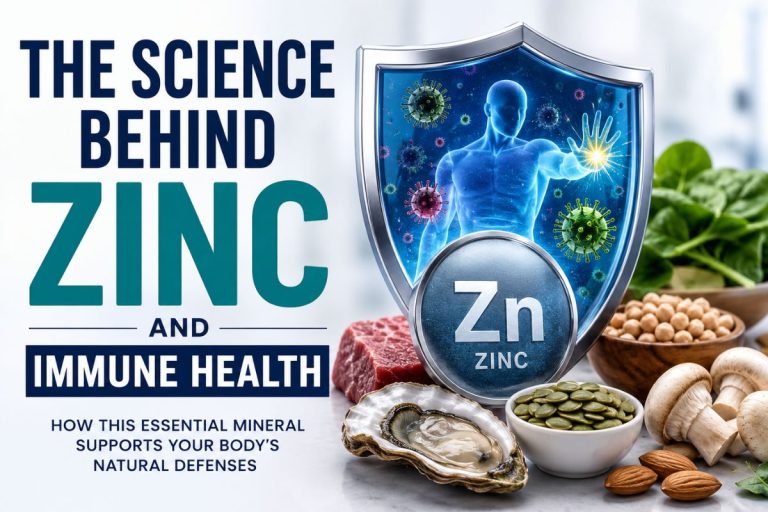
Zinc
Zinc supports immune health, wound healing, and normal growth and development.
Because the body does not store zinc efficiently, regular intake through food or supplements is important.
Potassium
Potassium helps regulate fluid balance, muscle contractions, and nerve signals. Most Americans consume less potassium than recommended through diet alone.
Selenium
Selenium acts as an antioxidant and supports thyroid function. It is required in small amounts but plays a significant role in overall health.
Signs You May Need More Minerals
Mineral deficiencies can sometimes develop gradually. Common signs may include:
- Persistent fatigue
- Muscle cramps
- Weakness
- Frequent illness
- Brittle nails
- Hair thinning
- Difficulty concentrating
- Poor recovery after exercise
However, these symptoms can have many causes. A healthcare professional can help determine whether a mineral deficiency is present.
How to Choose a Quality Mineral Supplement
Not all supplements are created equal. Consider the following factors when shopping for mineral supplements:
Look for Third-Party Testing
Choose products that have been independently tested for quality, purity, and potency.
Check the Form of the Mineral
Certain forms may be easier for the body to absorb. Examples include:
- Magnesium glycinate
- Magnesium citrate
- Calcium citrate
- Zinc picolinate
Avoid Excessive Dosages
More is not always better. Taking high doses of minerals may increase the risk of side effects or nutrient imbalances.
Read the Ingredient List
Look for products with minimal unnecessary additives, artificial colors, or fillers.
Can You Take Multiple Mineral Supplements Together?
Many multivitamins and mineral complexes contain several minerals in one formula. While combining minerals is often safe, some minerals can affect the absorption of others.
For example:
- Calcium may reduce iron absorption.
- Zinc and copper should remain balanced.
- High doses of one mineral can interfere with another.
Following label directions and consulting a healthcare professional can help avoid potential issues.
Food Sources Still Matter
Supplements should complement, not replace, a healthy diet. Excellent dietary sources of minerals include:
- Dairy products
- Leafy green vegetables
- Nuts and seeds
- Whole grains
- Seafood
- Lean meats
- Beans and legumes
- Fruits and vegetables
Obtaining nutrients from food provides additional benefits such as fiber, antioxidants, and other naturally occurring compounds.
Indo Health is dedicated to helping you discover the best and most trusted dietary supplements available in the United States.
Final Thoughts
Mineral supplements can be a useful tool for supporting overall wellness and addressing nutritional gaps. Calcium, magnesium, iron, zinc, potassium, and selenium are among the most commonly used mineral supplements in the United States. However, individual needs vary based on age, lifestyle, diet, and health status.
The best approach is to focus on a nutrient-rich diet while using supplements strategically when needed. Understanding the role of minerals and choosing high-quality products can help support long-term health and well-being.
Health Disclaimer
This article is for informational and educational purposes only and is not intended as medical advice. Always consult a qualified healthcare professional before starting any new supplement, especially if you are pregnant, nursing, taking medications, or have an existing medical condition.