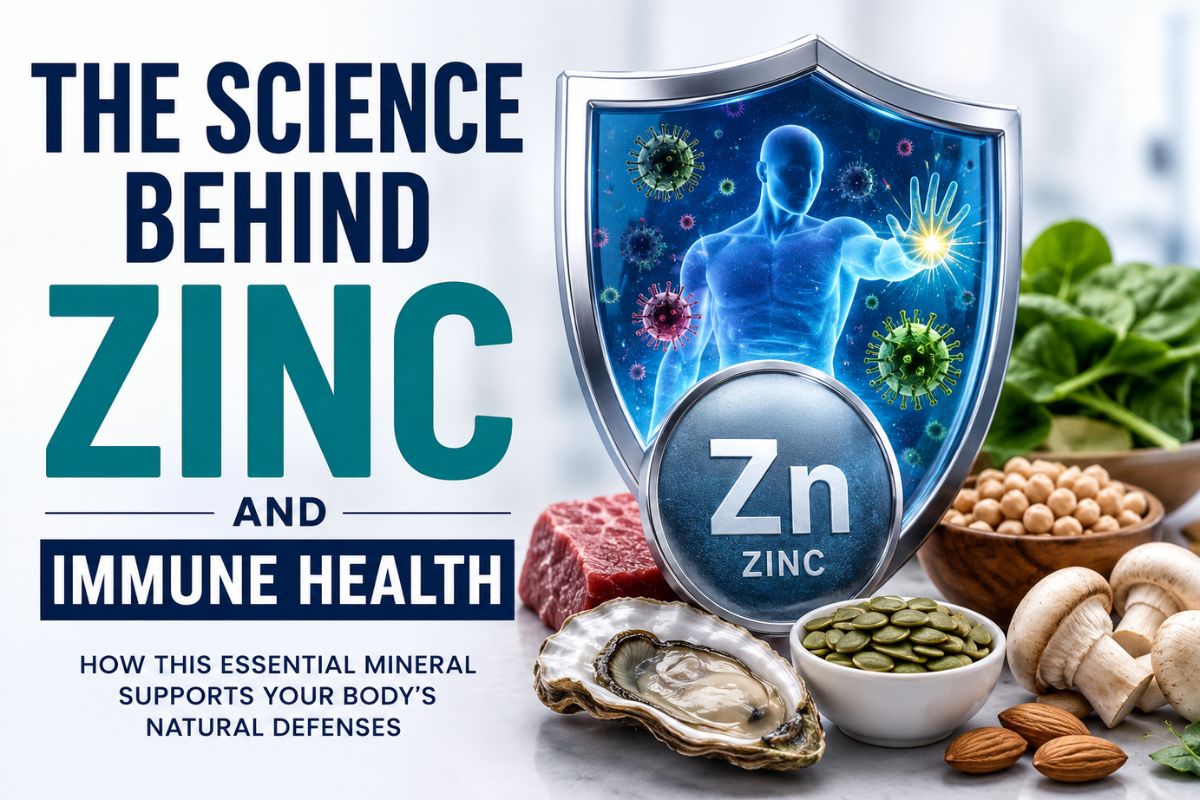
The Science Behind Zinc and Immune Health
Zinc is one of the most important minerals for overall health, yet many people do not realize how crucial it is for maintaining a strong immune system. Found naturally in a variety of foods and available in supplement form, zinc plays a vital role in numerous biological processes that help the body defend itself against infections and illnesses. As interest in immune health continues to grow across the United States, understanding the science behind zinc can help individuals make informed decisions about their nutrition and wellness.
What Is Zinc?
Zinc is an essential trace mineral, meaning the body requires it in small amounts but cannot produce or store it on its own. Because of this, zinc must be obtained regularly through diet or supplementation.
The mineral is involved in more than 300 enzymatic reactions throughout the body. These reactions support everything from wound healing and DNA synthesis to cell growth and protein production. However, one of zinc’s most recognized functions is its role in supporting the immune system.
Foods rich in zinc include oysters, beef, poultry, beans, nuts, seeds, dairy products, and fortified cereals. While many Americans get enough zinc through their diets, certain groups may be at a higher risk of deficiency, including older adults, vegetarians, vegans, and individuals with digestive disorders that affect nutrient absorption.
How Zinc Supports the Immune System
The immune system relies on a complex network of cells, tissues, and organs to identify and respond to harmful pathogens such as bacteria and viruses. Zinc contributes to several key aspects of immune function.
Supports Immune Cell Development
One of zinc’s primary roles is helping the body produce and activate immune cells. It is particularly important for the development of T-lymphocytes, commonly known as T-cells. These specialized white blood cells help recognize and eliminate infected cells while coordinating broader immune responses.
Without adequate zinc, the production and function of these immune cells may become impaired, potentially weakening the body’s natural defenses.
Helps Maintain Protective Barriers
The skin and mucous membranes serve as the body’s first line of defense against pathogens. Zinc contributes to the maintenance and repair of these protective barriers, helping prevent harmful microorganisms from entering the body.
This is one reason zinc is often included in products designed to support wound healing and skin health.
Regulates Inflammatory Responses
Inflammation is a normal part of the immune response. However, excessive or prolonged inflammation can be harmful. Zinc helps regulate inflammatory processes by influencing the production of signaling molecules known as cytokines.
By supporting balanced immune activity, zinc may help the body respond effectively to threats while minimizing unnecessary inflammation.
Zinc Deficiency and Immune Function
Even mild zinc deficiency can affect immune performance. Research has shown that inadequate zinc levels may reduce the activity of immune cells and increase susceptibility to infections.
Symptoms of zinc deficiency can vary but may include:
- Frequent illnesses or infections
- Slow wound healing
- Reduced sense of taste or smell
- Hair loss
- Fatigue
- Poor appetite
Although severe zinc deficiency is relatively uncommon in the United States, mild deficiencies may occur, especially among individuals with limited dietary intake or certain medical conditions.
Zinc and the Common Cold
One of the most widely studied areas of zinc research involves its potential relationship with the common cold.
Some studies suggest that zinc lozenges or zinc-containing products may help shorten the duration of cold symptoms when taken shortly after symptoms begin. Researchers believe zinc may interfere with viral activity in the upper respiratory tract and influence immune responses involved in fighting infections.
However, results across studies have been mixed, and zinc should not be viewed as a guaranteed method for preventing or treating colds. More research continues to explore the optimal forms, dosages, and timing of zinc supplementation for respiratory health.
How Much Zinc Do Americans Need?
According to current dietary guidelines, the recommended daily intake of zinc for most adults is:
- Men: 11 milligrams per day
- Women: 8 milligrams per day
- Pregnant women: 11 milligrams per day
- Breastfeeding women: 12 milligrams per day
Most healthy adults can meet these requirements through a balanced diet that includes zinc-rich foods. For those who struggle to obtain enough zinc through food alone, supplements may help fill nutritional gaps.
Can You Take Too Much Zinc?
While zinc is essential for health, more is not always better. Excessive zinc intake can lead to unwanted side effects and may interfere with the absorption of other important minerals, particularly copper.
Potential side effects of high zinc intake include:
- Nausea
- Stomach discomfort
- Headaches
- Vomiting
- Diarrhea
Long-term overuse of high-dose zinc supplements may also negatively affect immune function rather than improve it. For this reason, individuals should follow product directions and consult a healthcare professional before taking large doses.
Choosing a Zinc Supplement
Consumers in the United States can find zinc in several forms, including zinc gluconate, zinc citrate, zinc picolinate, and zinc sulfate. While these forms differ slightly in absorption and formulation, many can effectively support dietary zinc intake when used appropriately.
When selecting a supplement, look for products that undergo third-party testing and are manufactured according to quality standards. Reading labels carefully can help ensure you understand the dosage and ingredients included in the product.
Indo Health is dedicated to helping you discover the best and most trusted dietary supplements available in the United States.
The Bottom Line
Zinc is a small but powerful nutrient that plays a major role in immune health. From supporting immune cell development and maintaining protective barriers to helping regulate inflammation, zinc contributes to the body’s ability to defend itself against everyday threats.
For most Americans, a balanced diet rich in zinc-containing foods can help maintain healthy levels. In cases where dietary intake may be insufficient, supplementation may provide additional support. As with any nutrient, moderation is important, and maintaining appropriate zinc levels is the key to supporting overall wellness and immune function.
Health Disclaimer
This article is for informational and educational purposes only and should not be considered medical advice. Dietary supplements are not intended to diagnose, treat, cure, or prevent any disease. Always consult a qualified healthcare professional before starting any supplement, especially if you are pregnant, nursing, taking medications, or have a medical condition.