Can Supplements Help During Flu Season?
Every year, flu season brings increased concerns about staying healthy and avoiding illness. In the United States, seasonal influenza affects millions of people annually, leading to missed workdays, school absences, and healthcare visits. While no dietary supplement can guarantee protection against the flu, certain nutrients may help support a healthy immune system and overall wellness during the colder months.
Understanding how supplements fit into a healthy lifestyle can help Americans make informed choices during flu season.
Understanding the Immune System
The immune system is the body’s natural defense network. It helps identify and respond to viruses, bacteria, and other harmful invaders. A strong immune system relies on several factors, including proper nutrition, adequate sleep, regular physical activity, stress management, and good hygiene habits.
When nutritional gaps exist, the body’s ability to function optimally may be affected. This is where certain dietary supplements can play a supportive role.
Vitamin D: A Popular Seasonal Supplement
Vitamin D is one of the most commonly discussed nutrients during flu season. Many Americans have lower vitamin D levels during the fall and winter months because they spend less time outdoors and receive less sunlight exposure.
Vitamin D supports several immune functions and helps regulate the body’s immune response. Some research suggests that maintaining healthy vitamin D levels may contribute to overall immune health, especially in individuals who are deficient.
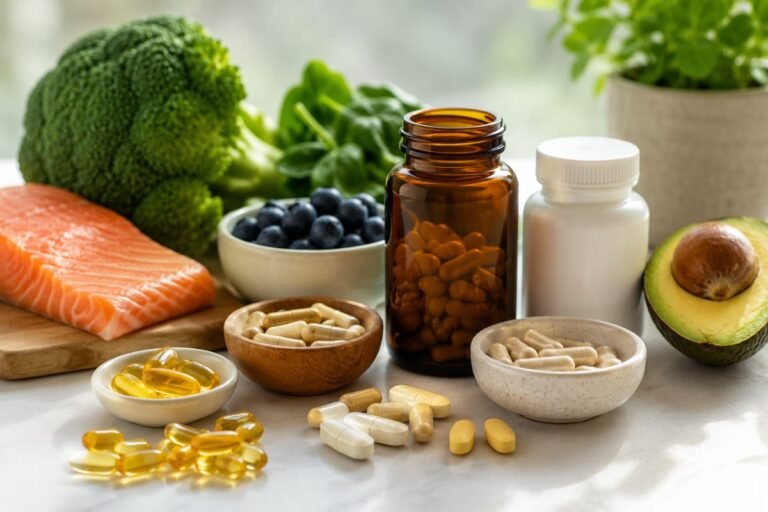
Foods such as fatty fish, fortified milk, and egg yolks provide vitamin D, but supplements may be useful for those who struggle to meet their needs through diet alone.
Vitamin C and Immune Support
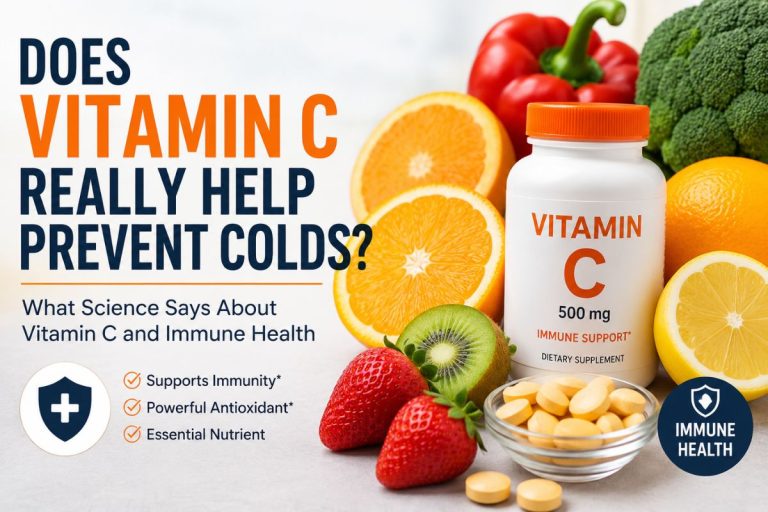
Vitamin C has long been associated with immune health. This antioxidant helps protect cells from oxidative stress and supports various immune system functions.
While vitamin C is not a cure for the flu, adequate intake may help support normal immune responses. Many people increase their vitamin C intake during flu season through foods like oranges, strawberries, bell peppers, and broccoli.
For individuals who do not consume enough vitamin C-rich foods, supplements may help bridge the nutritional gap.
Zinc: An Essential Mineral
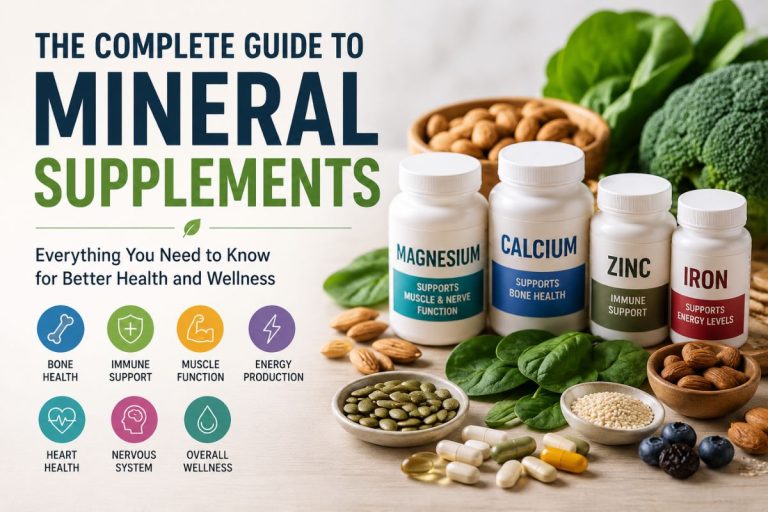
Zinc is another nutrient that plays a role in immune function. It supports the development and communication of immune cells and contributes to many biological processes throughout the body.
Since the body does not store large amounts of zinc, regular dietary intake is important. Good food sources include meat, seafood, beans, nuts, and whole grains.
Some Americans choose zinc supplements during cold and flu season to ensure adequate intake, particularly if their diet may be lacking in zinc-rich foods.
Elderberry and Herbal Supplements
Herbal supplements have gained popularity among consumers seeking natural wellness support. Elderberry is one of the most widely used herbal ingredients during flu season.
Elderberries contain antioxidants known as anthocyanins, which may help support overall health. While research on elderberry continues, many individuals include elderberry syrups, gummies, or capsules as part of their seasonal wellness routine.
Other herbal products, such as echinacea, garlic, and astragalus, are also commonly used for immune support. However, scientific evidence varies, and results may differ from person to person.
Probiotics and Gut Health
A large portion of the immune system is connected to the digestive tract. This connection has increased interest in probiotics, which are beneficial bacteria that help maintain a healthy gut environment.
Probiotic supplements and fermented foods such as yogurt, kefir, and sauerkraut may support digestive balance. Researchers continue to explore the relationship between gut health and immune function.
Maintaining a healthy gut microbiome may contribute to overall wellness throughout flu season and beyond.
Supplements Are Not a Substitute for Healthy Habits
Although supplements can support nutritional intake, they should not replace proven health practices.
Americans can take several practical steps to reduce their risk of illness during flu season:
- Get an annual flu vaccination as recommended by healthcare professionals.
- Wash hands frequently with soap and water.
- Avoid touching the face with unwashed hands.
- Get seven to nine hours of quality sleep each night.
- Stay physically active.
- Eat a balanced diet rich in fruits, vegetables, lean proteins, and whole grains.
- Stay hydrated throughout the day.
- Manage stress through relaxation techniques and healthy routines.
These habits often have a greater impact on overall health than any single supplement.
Choosing Supplements Wisely
The dietary supplement market offers thousands of products, making it important to choose carefully. Look for products from reputable manufacturers that follow quality standards and third-party testing practices.
Consumers should read labels carefully and avoid products that make unrealistic claims such as “preventing” or “curing” the flu. No dietary supplement can replace medical care or guarantee protection from illness.
Individuals with chronic health conditions, those taking prescription medications, pregnant women, and older adults should consult a healthcare professional before starting a new supplement.
Indo Health is dedicated to helping you discover the best and most trusted dietary supplements available in the United States.
Final Thoughts
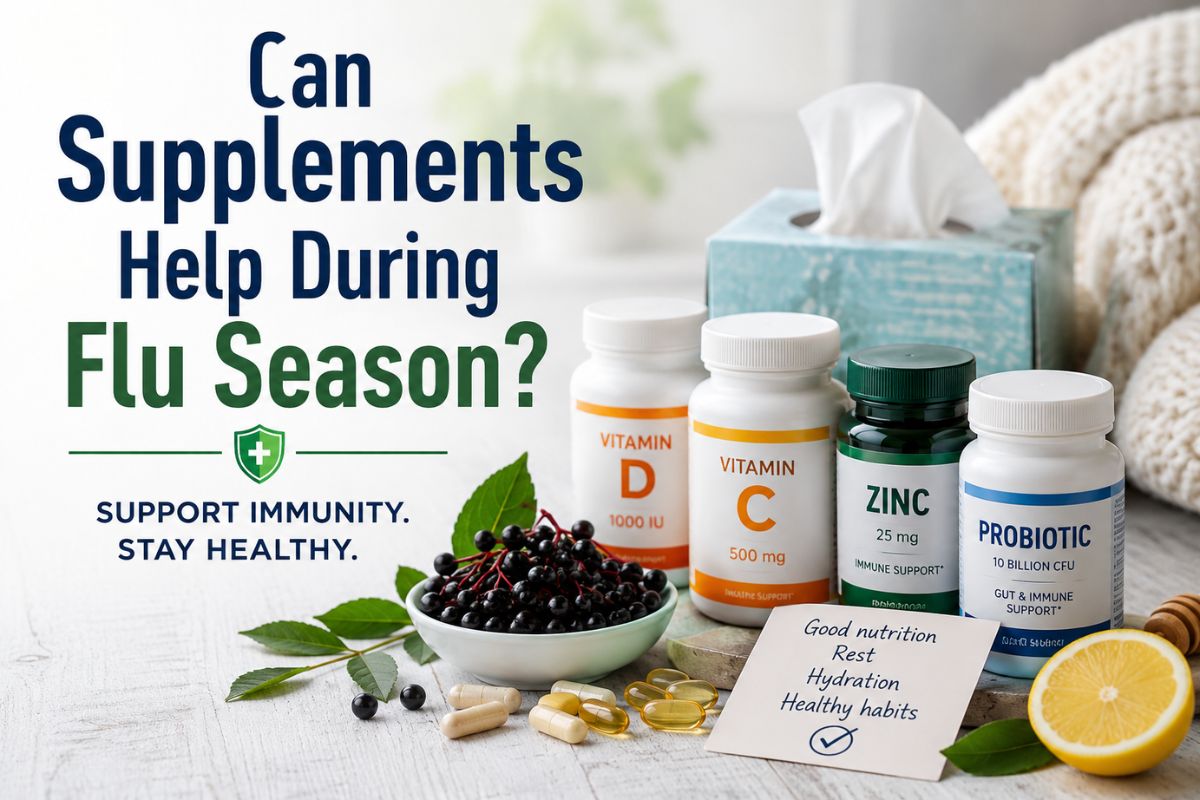
Supplements may play a supportive role during flu season by helping individuals maintain adequate levels of important nutrients such as vitamin D, vitamin C, and zinc. Other options, including probiotics and certain herbal supplements, are also popular among Americans seeking immune support.
However, supplements work best when combined with healthy lifestyle habits, proper nutrition, regular exercise, sufficient sleep, and recommended preventive measures. Taking a balanced approach can help support overall wellness throughout flu season and the rest of the year.
Health Disclaimer: This article is for informational and educational purposes only and is not intended as medical advice. Dietary supplements are not designed to diagnose, treat, cure, or prevent any disease. Always consult a qualified healthcare professional before starting any supplement, especially if you have a medical condition, are pregnant, nursing, or taking medications.