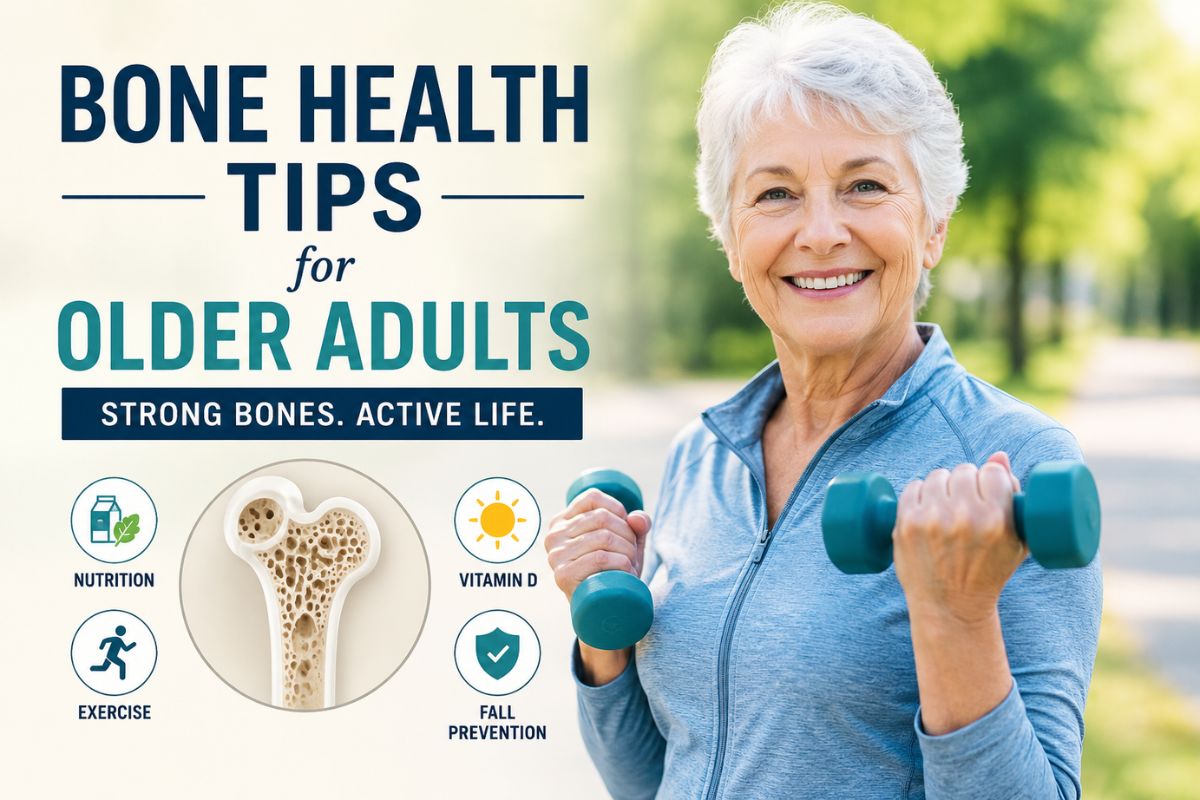
Bone Health Tips for Older Adults
As Americans age, maintaining strong and healthy bones becomes increasingly important. Bone health plays a critical role in mobility, independence, and overall quality of life. Unfortunately, bone density naturally declines with age, increasing the risk of osteoporosis, fractures, and other bone-related conditions. The good news is that there are several practical steps older adults can take to support bone health and reduce the risk of injury.
Why Bone Health Matters
Bones are living tissues that continuously break down and rebuild throughout life. During younger years, the body creates new bone faster than it loses old bone. However, after the age of 30, bone loss gradually begins to outpace bone formation. This process accelerates with age, particularly for women after menopause due to declining estrogen levels.
Weak bones can increase the likelihood of fractures, especially in the hips, spine, and wrists. According to health experts, fractures in older adults can lead to reduced mobility, prolonged recovery periods, and a lower quality of life. Taking preventive measures early can help maintain bone strength and support healthy aging.
Prioritize Calcium Intake
Calcium is one of the most important nutrients for maintaining strong bones. It serves as a key building block of bone tissue and helps support various bodily functions.
Older adults should aim to consume adequate calcium through foods such as:
- Low-fat dairy products like milk, yogurt, and cheese
- Fortified plant-based milk alternatives
- Leafy green vegetables such as kale and collard greens
- Canned salmon or sardines with bones
- Calcium-fortified cereals and juices
If dietary intake is insufficient, some individuals may benefit from calcium supplements after consulting with a healthcare professional.
Get Enough Vitamin D
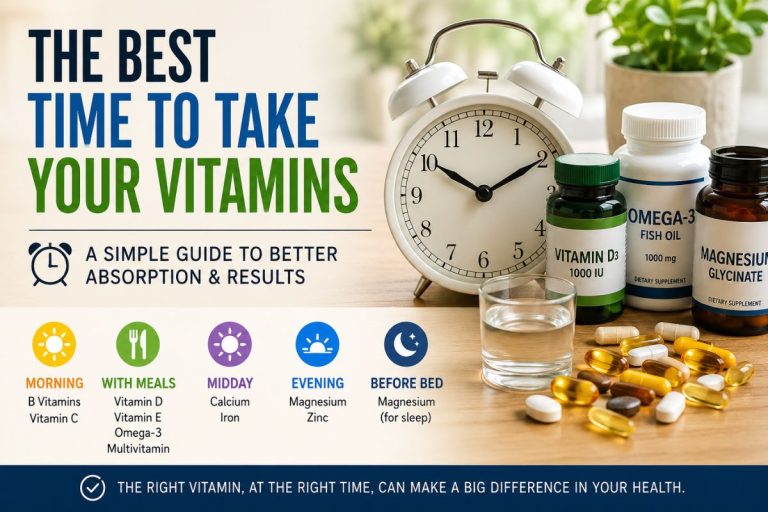
Vitamin D helps the body absorb calcium efficiently. Without sufficient vitamin D, the body may struggle to maintain healthy bone density even when calcium intake is adequate.
Common sources of vitamin D include:
- Safe sun exposure
- Fatty fish such as salmon, tuna, and mackerel
- Egg yolks
- Fortified dairy products and cereals
Many older adults in the United States have lower vitamin D levels, especially during winter months or if they spend limited time outdoors. A healthcare provider can recommend testing and supplementation if necessary.
Indo Health is dedicated to helping you discover the best and most trusted dietary supplements available in the United States.
Stay Physically Active
Regular exercise is one of the most effective ways to support bone health. Weight-bearing and resistance exercises help stimulate bone formation and maintain bone density.
Examples of bone-friendly activities include:
- Walking
- Hiking
- Dancing
- Strength training
- Tennis
- Stair climbing
Balance and flexibility exercises, such as yoga and tai chi, can also help reduce the risk of falls. Even moderate physical activity performed consistently can provide significant benefits for bone strength and overall wellness.
Include Protein in Your Diet
Protein plays an important role in maintaining both muscle and bone health. Adequate protein intake helps preserve muscle mass, which supports balance and reduces fall risk.
Good protein sources include:
- Lean poultry
- Fish
- Eggs
- Beans and legumes
- Greek yogurt
- Nuts and seeds
Older adults should focus on consuming balanced meals that include protein throughout the day rather than relying on a single high-protein meal.
Avoid Smoking
Smoking has been linked to decreased bone density and a higher risk of fractures. Chemicals in tobacco products can interfere with the body’s ability to build and maintain healthy bones.
Research suggests that smokers may experience faster bone loss compared to non-smokers. Quitting smoking can provide benefits not only for bone health but also for heart, lung, and overall health.
Limit Excessive Alcohol Consumption
While moderate alcohol consumption may fit into a healthy lifestyle for some adults, excessive alcohol intake can negatively affect bone health. Heavy drinking may interfere with calcium absorption, hormone balance, and bone remodeling processes.
Older adults should follow recommended alcohol guidelines and discuss concerns with their healthcare providers if needed.
Prevent Falls at Home
Many fractures occur because of falls rather than bone weakness alone. Creating a safer living environment can help reduce the risk of injury.
Simple fall-prevention strategies include:
- Removing loose rugs and clutter
- Installing grab bars in bathrooms
- Using adequate lighting throughout the home
- Wearing supportive footwear
- Keeping frequently used items within easy reach
Regular vision and hearing checkups can also help identify issues that may contribute to falls.
Schedule Bone Density Screenings
Bone density testing is an important tool for assessing fracture risk and identifying osteoporosis before a serious injury occurs. Healthcare providers often recommend bone density screenings for women over 65 and for men or women with additional risk factors.
Early detection allows individuals to make lifestyle adjustments and discuss treatment options if necessary.
Maintain a Balanced Lifestyle
Bone health depends on more than a single nutrient or habit. A healthy lifestyle that combines proper nutrition, regular physical activity, adequate sleep, and preventive healthcare offers the best foundation for strong bones.
Older adults should focus on sustainable habits that can be maintained long-term rather than looking for quick fixes. Small daily choices often have the greatest impact over time.
Conclusion
Strong bones are essential for maintaining independence, mobility, and overall well-being as we age. By prioritizing calcium and vitamin D intake, staying physically active, eating a balanced diet, avoiding smoking, limiting excessive alcohol consumption, and taking steps to prevent falls, older adults can support bone health and reduce the risk of fractures. Regular medical checkups and bone density screenings can further help identify potential concerns early and promote healthy aging.
Health Disclaimer
This article is for informational and educational purposes only and is not intended as medical advice. Always consult a qualified healthcare professional before making changes to your diet, exercise routine, or supplement regimen, especially if you have existing health conditions or concerns about bone health.
I never really thought about bone health before, but I guess it’s super important as we age. Any favorite tips for getting started?