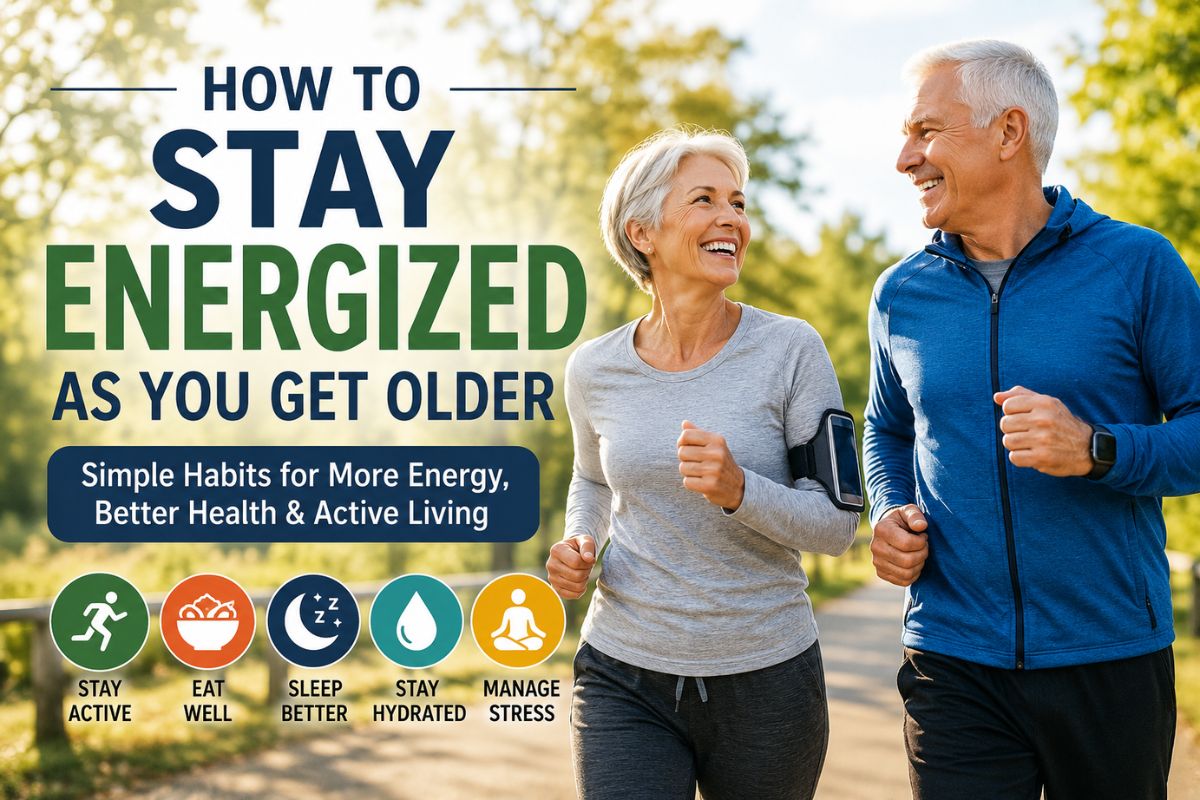
How to Stay Energized as You Get Older
Many Americans notice changes in their energy levels as they age. Activities that once felt effortless may require more effort, and feeling tired during the day can become more common. While aging naturally affects the body, low energy is not something you simply have to accept. By making healthy lifestyle choices, staying active, and paying attention to nutrition, it is possible to maintain vitality and enjoy an active, fulfilling life well into your later years.
Why Energy Levels Change With Age
As people grow older, several factors can contribute to reduced energy. Muscle mass naturally declines over time, which can affect strength and endurance. Hormonal changes, slower metabolism, sleep disturbances, and certain medical conditions may also play a role. Additionally, many adults become less physically active as they age, creating a cycle where inactivity leads to even lower energy levels.
The good news is that many of these factors can be managed through healthy habits and regular self-care.
Prioritize Quality Sleep
Sleep is one of the most important factors for maintaining energy. Unfortunately, many older adults struggle with sleep issues such as insomnia, frequent waking, or difficulty falling asleep.
To improve sleep quality:
- Maintain a consistent sleep schedule.
- Avoid caffeine late in the day.
- Limit screen time before bed.
- Keep your bedroom cool, dark, and quiet.
- Develop a relaxing bedtime routine.
Most adults need between seven and nine hours of sleep each night. Consistently getting enough rest can significantly improve daytime energy and mental focus.
Stay Physically Active
Exercise may seem like it would drain energy, but it actually helps increase it over time. Regular physical activity improves circulation, strengthens muscles, supports heart health, and enhances mood.
Older adults can benefit from:
- Walking
- Swimming
- Cycling
- Yoga
- Strength training
- Stretching exercises
The Centers for Disease Control and Prevention (CDC) recommends that older adults engage in regular aerobic activity and muscle-strengthening exercises each week. Even short daily walks can make a noticeable difference in energy levels.
Focus on Nutrient-Dense Foods
Nutrition plays a major role in how energized you feel. Many Americans consume highly processed foods that may provide temporary energy but often lead to crashes later in the day.
A balanced diet should include:
- Fruits and vegetables
- Lean proteins
- Whole grains
- Healthy fats
- Low-fat dairy or dairy alternatives
Protein is especially important as you age because it helps maintain muscle mass. Foods such as fish, chicken, eggs, beans, and Greek yogurt can help support healthy energy levels.
It’s also important to eat regularly throughout the day. Skipping meals may cause blood sugar fluctuations that contribute to fatigue.
Stay Hydrated
Dehydration is a common but often overlooked cause of fatigue, especially among older adults. As people age, the body’s thirst sensation may become less noticeable, making it easier to become dehydrated without realizing it.
Drinking enough water throughout the day helps support circulation, digestion, and overall body function. Carrying a reusable water bottle and drinking water with meals can help maintain proper hydration.
Manage Stress Effectively
Chronic stress can drain both physical and mental energy. Financial concerns, caregiving responsibilities, health challenges, and major life transitions can all contribute to stress as people get older.
Healthy stress-management techniques include:
- Meditation
- Deep breathing exercises
- Spending time outdoors
- Reading
- Gardening
- Connecting with friends and family
Taking time to relax and recharge can improve mood and help conserve energy throughout the day.
Maintain Social Connections
Social interaction plays an important role in emotional well-being and overall vitality. Studies have shown that loneliness and social isolation can negatively affect both mental and physical health.
Consider staying connected by:
- Joining community groups
- Participating in volunteer activities
- Attending local events
- Taking classes
- Spending time with loved ones
Meaningful social relationships can boost motivation, improve mood, and contribute to a greater sense of purpose.
Talk to Your Healthcare Provider About Fatigue
Persistent fatigue should never be ignored. In some cases, low energy may be related to an underlying medical condition such as:
- Anemia
- Thyroid disorders
- Diabetes
- Sleep apnea
- Heart disease
- Depression
Certain medications may also contribute to tiredness. If you experience ongoing fatigue despite healthy lifestyle habits, schedule a medical evaluation to identify potential causes.
Consider Nutritional Supplements Carefully
Some older adults may benefit from dietary supplements if they have specific nutrient deficiencies. Common supplements that may be recommended by healthcare professionals include:
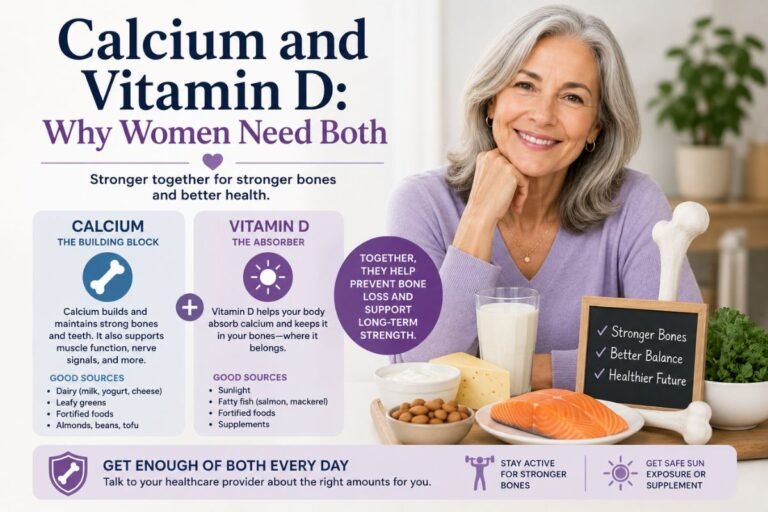
- Vitamin D
- Vitamin B12
- Magnesium
- Omega-3 fatty acids
However, supplements should not replace a healthy diet. Before starting any supplement regimen, consult your healthcare provider to ensure safety and appropriateness for your individual needs.
Indo Health is dedicated to helping you discover the best and most trusted dietary supplements available in the United States.
Final Thoughts
Aging does not have to mean constantly feeling tired. By prioritizing quality sleep, staying physically active, eating nutritious foods, managing stress, and maintaining social connections, older adults can support healthy energy levels and continue enjoying an active lifestyle.
Small, consistent habits often produce the biggest long-term benefits. Whether you’re in your 50s, 60s, 70s, or beyond, taking steps to care for your body and mind can help you stay energized and engaged in the activities you love.
Health Disclaimer
This article is for informational and educational purposes only and should not be considered medical advice. Always consult a qualified healthcare professional before making significant changes to your diet, exercise routine, medications, or supplement use. Individual health needs and medical conditions may vary.