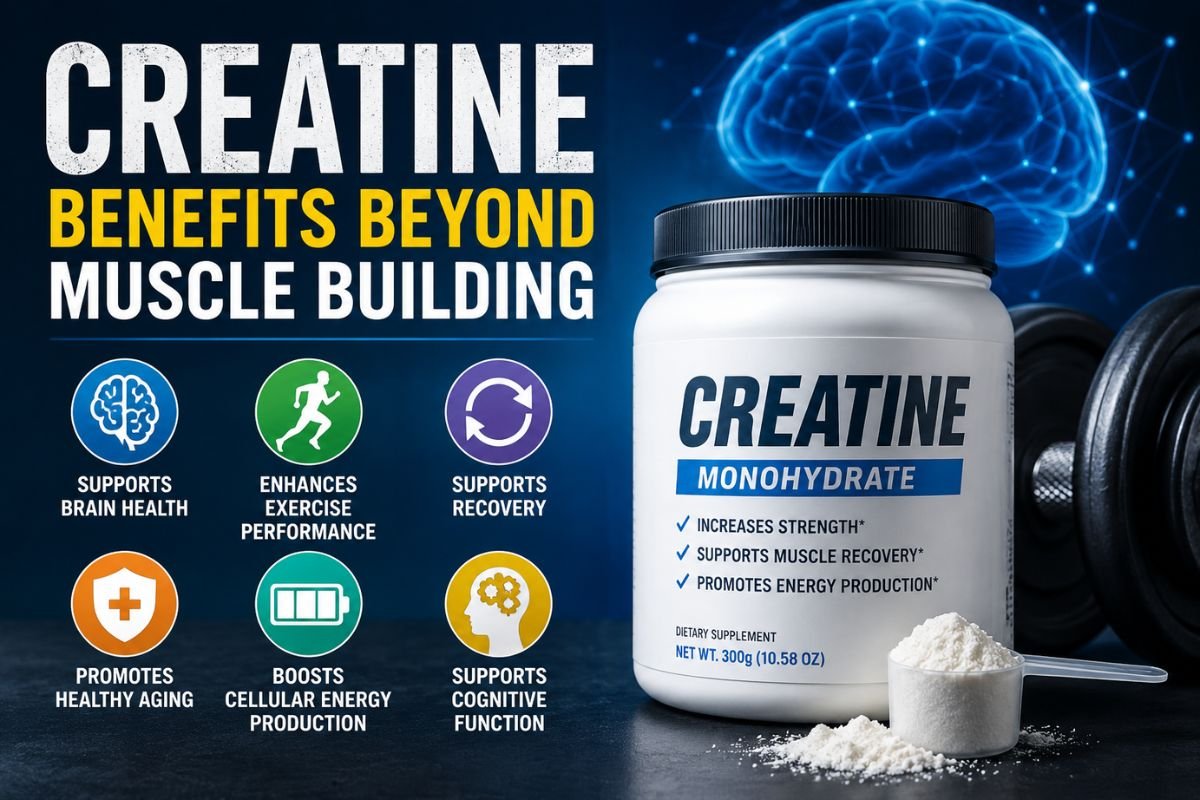
Creatine is one of the most researched and widely used dietary supplements in the United States. While it is often associated with athletes, bodybuilders, and gym enthusiasts looking to increase muscle mass and strength, creatine offers a variety of benefits that extend far beyond muscle building. Emerging research suggests that creatine may support brain health, healthy aging, exercise recovery, and overall physical performance.
As more Americans seek ways to improve their health and wellness, understanding the broader benefits of creatine can help consumers make informed decisions about supplementation.
What Is Creatine?
Creatine is a naturally occurring compound found in muscle cells. It is made from amino acids and is produced by the liver, kidneys, and pancreas. Creatine is also obtained through foods such as red meat, poultry, and fish.
The body stores most creatine in muscles, where it helps produce adenosine triphosphate (ATP), the primary energy source for short bursts of high-intensity activity. However, creatine is also present in other tissues, including the brain, where it plays an important role in energy metabolism.
Supporting Brain Health and Cognitive Function
One of the most exciting areas of creatine research involves its potential impact on brain health. The brain requires a significant amount of energy to function efficiently. Because creatine helps support cellular energy production, researchers have explored its role in cognitive performance.
Some studies suggest that creatine supplementation may help improve memory, mental processing speed, and cognitive performance during periods of sleep deprivation or mental fatigue. College students, shift workers, and individuals facing demanding mental tasks may benefit from maintaining adequate creatine levels.
Although more research is needed, growing evidence indicates that creatine may support overall brain function, particularly in situations where the brain’s energy demands are elevated.
Promoting Healthy Aging
As Americans live longer, maintaining physical and cognitive health becomes increasingly important. Creatine may offer several benefits for healthy aging.
Aging naturally leads to a gradual decline in muscle mass, strength, and physical performance. While creatine is well known for supporting muscle maintenance, its effects can be especially valuable for older adults. Research suggests that combining creatine supplementation with resistance training may help preserve muscle function and improve strength in aging populations.
Beyond muscle health, scientists are investigating whether creatine may support cognitive function and energy metabolism in older adults. These potential benefits make creatine an area of interest for individuals looking to maintain independence and quality of life as they age.
Enhancing Exercise Performance
Many people associate creatine exclusively with bodybuilding, but its benefits extend to various forms of physical activity. Creatine may improve performance in activities that require repeated bursts of effort, such as sprinting, cycling, swimming, and team sports.
By helping replenish ATP stores, creatine allows muscles to generate energy more efficiently during intense exercise. This can contribute to improved power output, endurance during repeated efforts, and overall athletic performance.
For recreational exercisers and fitness enthusiasts, creatine may help support workout quality and training consistency, making it easier to stay active and achieve fitness goals.
Supporting Recovery After Exercise
Exercise places stress on muscles and energy systems. Recovery is an essential component of any fitness program, and creatine may play a helpful role in this process.
Research suggests that creatine supplementation may reduce exercise-induced muscle damage and support faster recovery following intense training sessions. Some individuals report less soreness and improved readiness for subsequent workouts when using creatine consistently.
Improved recovery may allow athletes and active individuals to maintain higher training volumes and perform at their best throughout the week.
Potential Benefits for Vegetarians and Vegans
Individuals who follow vegetarian or vegan diets often consume less creatine because the primary dietary sources are animal-based foods. As a result, vegetarians and vegans may have lower creatine stores compared to people who regularly consume meat and fish.
Supplementation can help increase creatine levels and may provide noticeable benefits in physical performance and cognitive function for some individuals. This makes creatine a popular option among Americans following plant-based diets who want to support energy production and overall wellness.
May Support Cellular Energy Production
Creatine’s fundamental role is to help produce cellular energy. Because energy is required for virtually every function in the body, researchers continue to explore creatine’s potential applications beyond sports nutrition.
Cells with high energy demands, including muscle and brain cells, rely heavily on efficient ATP production. By helping maintain energy availability, creatine may support overall cellular function and resilience under physically or mentally demanding conditions.
This broad role in energy metabolism is one reason creatine remains one of the most extensively studied supplements available today.
Safety and Considerations
Creatine monohydrate is the most researched and commonly used form of creatine. Numerous studies have found it to be safe for healthy adults when used as directed.
Some users may experience temporary water retention or mild digestive discomfort, particularly when taking large doses. Staying hydrated and following recommended serving sizes can help minimize these effects.
Individuals with existing kidney disease or other medical conditions should consult a healthcare professional before starting any supplement regimen.
Conclusion
Creatine has earned its reputation as a powerful supplement for building muscle and improving athletic performance, but its potential benefits reach far beyond the gym. Research suggests that creatine may support brain health, cognitive performance, healthy aging, exercise recovery, and overall cellular energy production.
As interest in evidence-based wellness continues to grow across the United States, creatine remains one of the most scientifically supported supplements available. Whether you are an athlete, an active adult, or simply looking to support long-term health, creatine may offer benefits that extend well beyond muscle building.