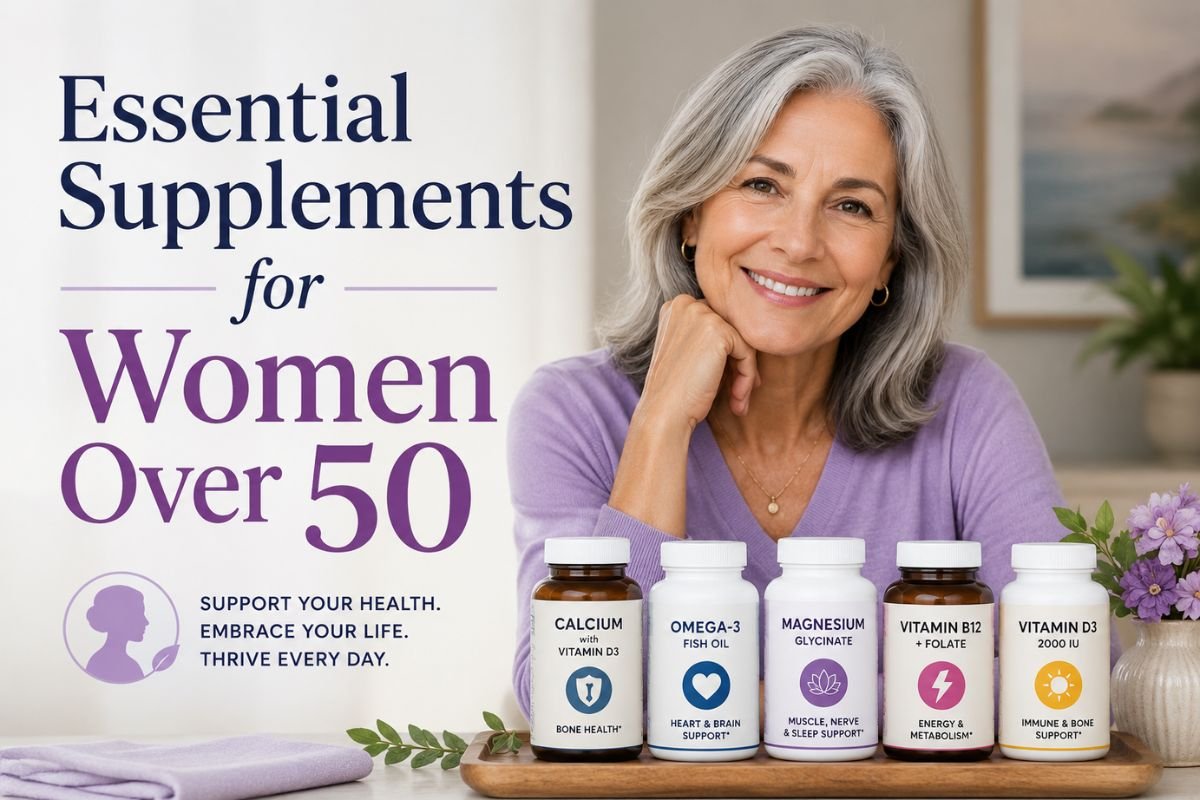
Turning 50 is an important milestone that often brings new health priorities. As women age, their bodies undergo natural changes that can affect bone density, muscle mass, metabolism, energy levels, and overall wellness. While a balanced diet remains the foundation of good health, certain supplements may help fill nutritional gaps and support healthy aging.
It’s important to remember that supplements are not a replacement for nutritious food or medical care. However, when used appropriately, they can complement a healthy lifestyle and help women maintain their quality of life after 50.
Why Nutritional Needs Change After 50
As women enter their 50s and beyond, hormonal changes associated with menopause can influence how the body absorbs and uses nutrients. Bone loss tends to accelerate, muscle mass may gradually decrease, and the risk of certain health conditions can increase.
Many women also find it more challenging to get all the nutrients they need from diet alone due to changes in appetite, digestion, or lifestyle habits. This is where targeted supplementation may be beneficial.
1. Calcium for Bone Health
Calcium is one of the most important nutrients for women over 50. After menopause, declining estrogen levels can contribute to reduced bone density, increasing the risk of osteoporosis and fractures.
Calcium helps maintain strong bones and teeth while also supporting muscle and nerve function.
2. Vitamin D for Better Calcium Absorption
Vitamin D works closely with calcium by helping the body absorb it effectively. Unfortunately, many Americans have low vitamin D levels, especially those who spend limited time outdoors.
Vitamin D also plays a role in immune function and muscle health.
Many women over 50 benefit from having their vitamin D levels checked and discussing supplementation options with their healthcare provider.
3. Vitamin B12 for Energy and Nervous System Support
Vitamin B12 is essential for healthy nerve function and red blood cell production. As people age, the body’s ability to absorb B12 from food can decline.
Low B12 levels may contribute to fatigue, weakness, or cognitive difficulties.
4. Omega-3 Fatty Acids for Heart Health
Heart disease remains one of the leading health concerns for women in the United States. Omega-3 fatty acids, commonly found in fish oil supplements, are often used to support cardiovascular health.
These healthy fats may also contribute to brain function and overall wellness.
Women who do not regularly consume fatty fish such as salmon, sardines, or mackerel may consider discussing omega-3 supplements with their healthcare provider.
5. Magnesium for Muscle and Bone Function
Magnesium supports hundreds of biochemical processes in the body. It plays a role in muscle function, bone health, sleep quality, and energy production.
Many adults do not meet their daily magnesium needs through diet alone.
Foods such as nuts, seeds, leafy greens, and whole grains provide magnesium, but supplementation may be appropriate in some cases.
6. Protein Supplements for Maintaining Muscle Mass
Age-related muscle loss, known as sarcopenia, becomes more common after age 50. Maintaining adequate protein intake can help support muscle health and physical function.
While many women can meet protein needs through food, protein powders or ready-to-drink protein shakes may be convenient options for those with busy schedules or reduced appetites.
7. Probiotics for Digestive Wellness
Digestive health can become increasingly important with age. Probiotics are beneficial bacteria that may help support a healthy gut microbiome.
Some women use probiotic supplements to complement a balanced diet that includes fiber-rich foods, yogurt, and fermented products.
Although results vary from person to person, probiotics have become a popular wellness supplement among older adults.
Choosing Supplements Wisely
The supplement market offers countless products, but not all supplements are created equal. Women should look for reputable brands that follow quality standards and provide transparent ingredient information.
Before starting any supplement, it is wise to discuss options with a healthcare professional, especially for individuals who take prescription medications or have existing health conditions. On our homepage, we have listed the best and most trusted dietary supplements to help you choose the right one for your needs.
The Bottom Line
Healthy aging involves much more than taking supplements. Regular physical activity, nutritious meals, quality sleep, stress management, and preventive healthcare remain essential.
However, supplements such as calcium, vitamin D, vitamin B12, omega-3 fatty acids, magnesium, protein, and probiotics may help support overall wellness for many women over 50. The best approach is a personalized one that considers individual health needs, lifestyle habits, and guidance from trusted healthcare providers.
By making informed choices, women can take proactive steps toward maintaining strength, energy, and vitality throughout their later years.
