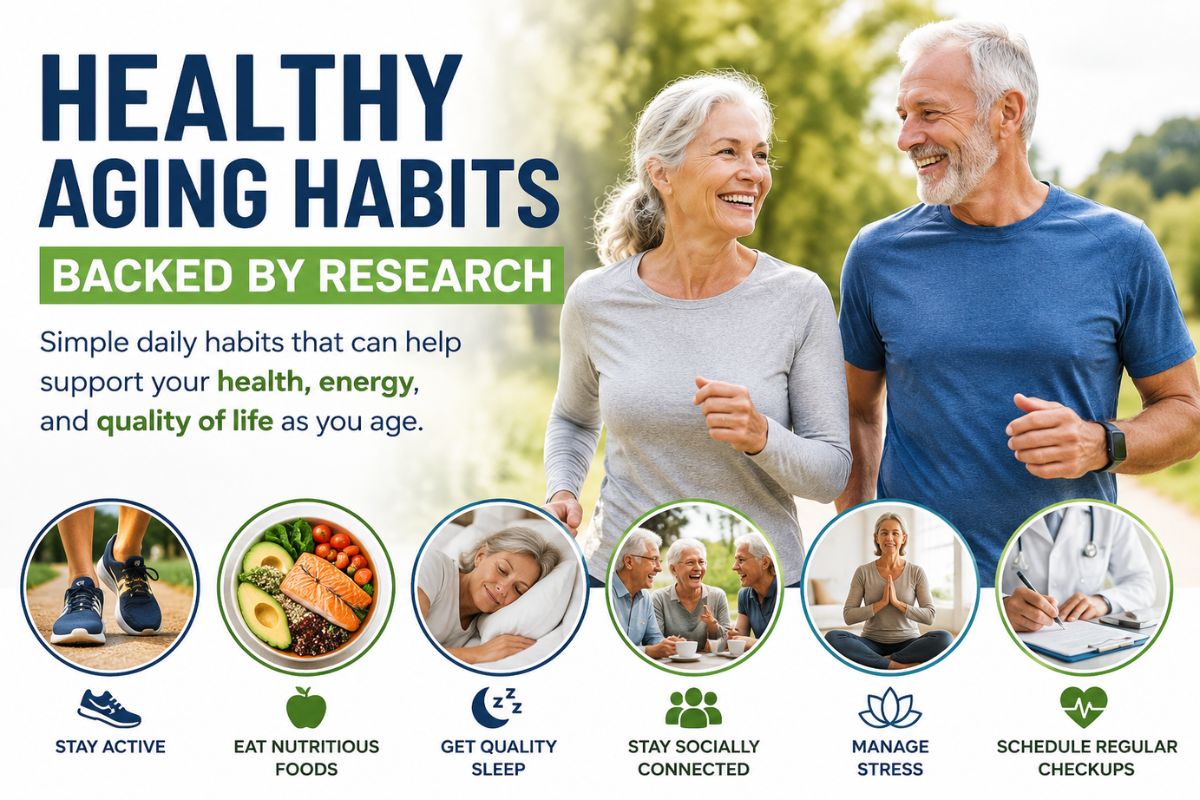
Healthy Aging Habits Backed by Research
Aging is a natural part of life, but how we age can be influenced by the choices we make every day. While no one can stop the clock, research shows that certain healthy habits can help people maintain their physical health, mental sharpness, and overall quality of life as they grow older.
In the United States, adults are living longer than ever before. According to health experts, adopting healthy lifestyle habits can reduce the risk of chronic diseases and support independence well into later years. Here are some of the most important healthy aging habits backed by scientific research.
Stay Physically Active
Regular physical activity is one of the most effective ways to support healthy aging. Studies have consistently shown that exercise helps maintain muscle strength, supports heart health, improves balance, and reduces the risk of chronic conditions such as type 2 diabetes and high blood pressure.
The U.S. Centers for Disease Control and Prevention (CDC) recommends that older adults aim for at least 150 minutes of moderate-intensity aerobic activity each week, along with muscle-strengthening exercises on two or more days.
Walking, swimming, cycling, gardening, and strength training are all excellent options. Even small amounts of daily movement can provide meaningful health benefits.
Prioritize a Nutrient-Dense Diet
What you eat plays a major role in how well your body functions as you age. Research suggests that diets rich in fruits, vegetables, whole grains, lean proteins, and healthy fats are associated with better health outcomes and lower rates of chronic disease.
Many experts recommend dietary patterns similar to the Mediterranean diet, which emphasizes vegetables, fish, olive oil, nuts, and legumes. This approach has been linked to improved heart health and cognitive function.
Older adults should also pay attention to nutrients that are commonly under-consumed, including:
- Protein
- Vitamin D
- Calcium
- Vitamin B12
- Magnesium
- Omega-3 fatty acids
A balanced diet can help support bone health, muscle maintenance, and overall vitality.
Get Quality Sleep
Sleep is essential for healthy aging. During sleep, the body performs important processes related to recovery, immune function, and memory consolidation.
Research has found that adults who consistently get sufficient sleep tend to experience better cognitive function and overall well-being. Most adults need between seven and nine hours of sleep per night.
To improve sleep quality:
- Maintain a consistent sleep schedule.
- Limit screen time before bed.
- Keep the bedroom cool and comfortable.
- Avoid excessive caffeine late in the day.
Good sleep habits can help support both physical and mental health.
Stay Socially Connected
Strong social relationships are associated with better health and longevity. Studies have shown that social isolation and loneliness can negatively affect physical and emotional well-being.
Maintaining connections with family, friends, neighbors, and community groups can provide emotional support and encourage healthy behaviors.
Ways to stay socially engaged include:
- Joining local clubs or organizations
- Volunteering
- Participating in community events
- Attending religious services
- Taking classes or learning new skills
Social engagement contributes to a sense of purpose and can enhance quality of life.
Keep Your Brain Active
Research suggests that mentally stimulating activities may help support cognitive health as people age.
Activities that challenge the brain include:
- Reading books
- Solving puzzles
- Learning a new language
- Playing musical instruments
- Taking educational courses
Lifelong learning can help maintain mental sharpness and encourage continued personal growth.
Manage Stress Effectively
Chronic stress can affect many aspects of health, including sleep, immune function, and cardiovascular health. Learning healthy ways to manage stress is an important part of healthy aging.
Evidence-based stress management strategies include:
- Meditation
- Deep breathing exercises
- Yoga
- Spending time in nature
- Regular physical activity
- Maintaining social connections
Even a few minutes of relaxation each day can make a positive difference.
Schedule Preventive Health Checkups
Preventive healthcare plays a critical role in healthy aging. Regular screenings and medical checkups can help detect potential issues early when they may be easier to manage.
Important preventive measures may include:
- Blood pressure monitoring
- Cholesterol screening
- Cancer screenings
- Vision and hearing exams
- Vaccinations
- Bone density testing when appropriate
Working closely with a healthcare provider can help individuals make informed decisions about their health.
Avoid Tobacco and Limit Alcohol
Research consistently shows that smoking is one of the most significant risk factors for preventable disease and premature death. Quitting smoking at any age can improve health outcomes.
Similarly, excessive alcohol consumption may increase the risk of liver disease, heart problems, and cognitive decline. Following recommended guidelines can help reduce health risks.
Making healthier lifestyle choices can have lasting benefits regardless of age.
Indo Health is dedicated to helping you discover the best and most trusted dietary supplements available in the United States.
Maintain a Positive Outlook
While physical habits are important, mental and emotional well-being also contribute to healthy aging. Studies suggest that optimism and a positive outlook may be associated with better health outcomes and increased longevity.
Practicing gratitude, nurturing relationships, and focusing on meaningful activities can help support emotional resilience throughout life.
Final Thoughts
Healthy aging is not about achieving perfection. Instead, it involves making consistent choices that support long-term well-being. Regular exercise, balanced nutrition, quality sleep, social engagement, stress management, preventive healthcare, and lifelong learning are all habits supported by scientific research.
The good news is that it’s never too late to start. Even small lifestyle changes can add up over time and contribute to a healthier, more active, and more fulfilling life as you age.
Health Disclaimer
This article is for informational and educational purposes only and is not intended as medical advice. Always consult a qualified healthcare professional before making changes to your diet, exercise routine, supplement regimen, or healthcare plan. Individual health needs may vary.