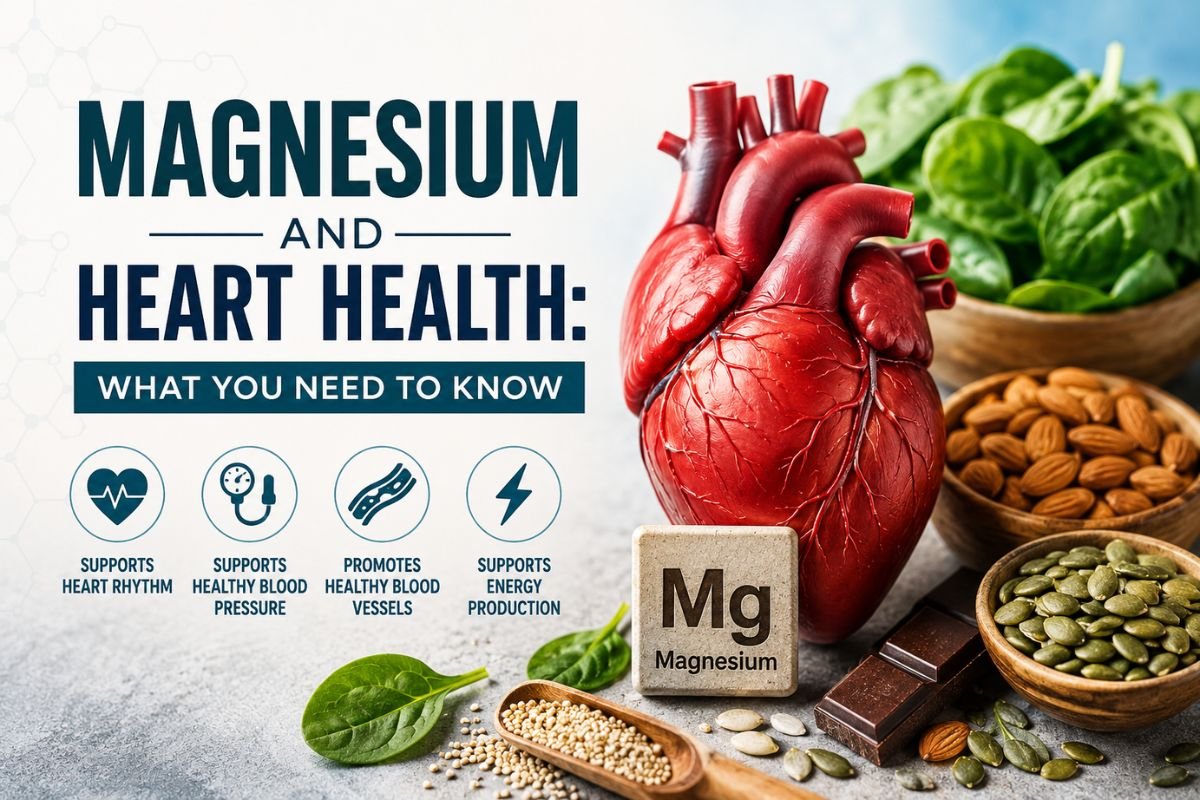
Magnesium and Heart Health: What You Need to Know
Heart disease remains one of the leading health concerns in the United States, affecting millions of adults each year. While factors such as diet, exercise, and lifestyle play important roles in maintaining cardiovascular health, certain nutrients are also essential for supporting a healthy heart. One of the most important yet often overlooked minerals is magnesium.
Magnesium is involved in hundreds of biological processes throughout the body, including muscle function, nerve signaling, energy production, and cardiovascular health. Understanding the relationship between magnesium and heart health can help Americans make informed decisions about their diet and overall wellness.
What Is Magnesium?
Magnesium is a mineral found naturally in many foods and is necessary for the proper functioning of the human body. It helps regulate muscle contractions, supports the nervous system, and contributes to maintaining healthy bones.
The heart itself is a muscle, and magnesium plays a critical role in helping it function properly. Adequate magnesium levels help support normal heart rhythms, healthy blood vessel function, and overall cardiovascular wellness.
Despite its importance, many Americans do not consume enough magnesium through their daily diets. Modern eating habits that rely heavily on processed foods can contribute to lower magnesium intake compared to diets rich in whole foods.
How Magnesium Supports Heart Health
Helps Maintain Normal Heart Rhythm
One of magnesium’s most important functions is supporting the electrical activity that controls heartbeat. The heart relies on a delicate balance of minerals, including magnesium, potassium, calcium, and sodium, to maintain a steady rhythm.
Magnesium helps regulate the movement of these minerals into and out of heart cells, supporting normal cardiac function. Maintaining adequate magnesium levels is important for overall cardiovascular health and normal muscle contractions.
Supports Healthy Blood Pressure
Healthy blood pressure is an important factor in long-term heart health. Magnesium helps relax blood vessels, allowing blood to flow more efficiently throughout the body.
Research suggests that magnesium plays a role in maintaining healthy vascular function. When combined with a balanced diet, regular exercise, and healthy lifestyle habits, adequate magnesium intake may contribute to overall cardiovascular wellness.
Promotes Healthy Blood Vessel Function
The inner lining of blood vessels, known as the endothelium, plays a critical role in circulation. Magnesium supports healthy blood vessel function by helping blood vessels relax and respond appropriately to changes in blood flow.
Proper blood vessel function contributes to efficient circulation and supports the delivery of oxygen and nutrients throughout the body.
Supports Energy Production
The heart works continuously throughout a person’s lifetime, requiring a constant supply of energy. Magnesium is involved in the production of adenosine triphosphate (ATP), the body’s primary energy source.
Without sufficient magnesium, many cellular processes involved in energy production cannot function efficiently. This highlights the mineral’s importance in supporting the body’s most active organs, including the heart.
Signs of Low Magnesium Intake
Magnesium deficiency can develop gradually and may not always produce obvious symptoms initially. However, low magnesium levels may be associated with:
- Muscle cramps or spasms
- Fatigue or low energy
- Weakness
- Difficulty sleeping
- Irregular muscle contractions
- Reduced exercise performance
Individuals with certain health conditions, digestive disorders, or diets low in magnesium-rich foods may be at greater risk of inadequate intake.
Best Food Sources of Magnesium
The good news is that many nutritious foods contain magnesium naturally. Americans can increase their magnesium intake by incorporating more of the following foods into their diets:
- Spinach and leafy green vegetables
- Almonds and cashews
- Pumpkin seeds
- Black beans and kidney beans
- Avocados
- Whole grains
- Dark chocolate
- Edamame
- Peanuts
- Brown rice
A balanced diet rich in these foods can help support healthy magnesium levels while providing additional nutrients that benefit overall health.
Should You Consider Magnesium Supplements?
For some individuals, obtaining sufficient magnesium through diet alone can be challenging. Magnesium supplements are widely available and come in various forms, including magnesium citrate, magnesium glycinate, magnesium oxide, and magnesium malate.
Different forms of magnesium may vary in absorption and digestive tolerance. Individuals considering supplementation should consult a qualified healthcare professional to determine whether a supplement is appropriate for their needs.
It is important to remember that supplements are intended to complement a healthy diet, not replace it. Whole foods provide a variety of vitamins, minerals, fiber, and beneficial plant compounds that work together to support overall wellness.
How Much Magnesium Do Adults Need?
According to general dietary guidelines, adult men typically require around 400–420 milligrams of magnesium daily, while adult women generally need approximately 310–320 milligrams per day. Requirements may vary based on age, health status, and life stage.
Many Americans fall short of these recommended amounts, making magnesium one of the nutrients of concern in modern diets.
Safety Considerations
Magnesium obtained from food sources is generally considered safe for healthy individuals. However, excessive intake from supplements may cause digestive discomfort, including diarrhea, nausea, or stomach upset.
People with kidney disease or those taking medications should consult a healthcare provider before starting any new supplement regimen. A healthcare professional can provide personalized guidance based on individual health needs.
Final Thoughts
Magnesium is an essential mineral that plays a significant role in supporting heart health and overall wellness. From helping maintain normal heart rhythm and healthy blood vessel function to supporting energy production, magnesium contributes to many processes that are important for cardiovascular health.
For many Americans, focusing on magnesium-rich foods such as leafy greens, nuts, seeds, legumes, and whole grains can be a practical way to support daily nutrient needs. When combined with regular exercise, a balanced diet, and healthy lifestyle choices, adequate magnesium intake can be part of a comprehensive approach to long-term heart health.
As always, individuals considering magnesium supplementation should seek advice from a qualified healthcare professional to determine the best approach for their unique circumstances.