Natural Supplements for Daily Energy
Quick Answer
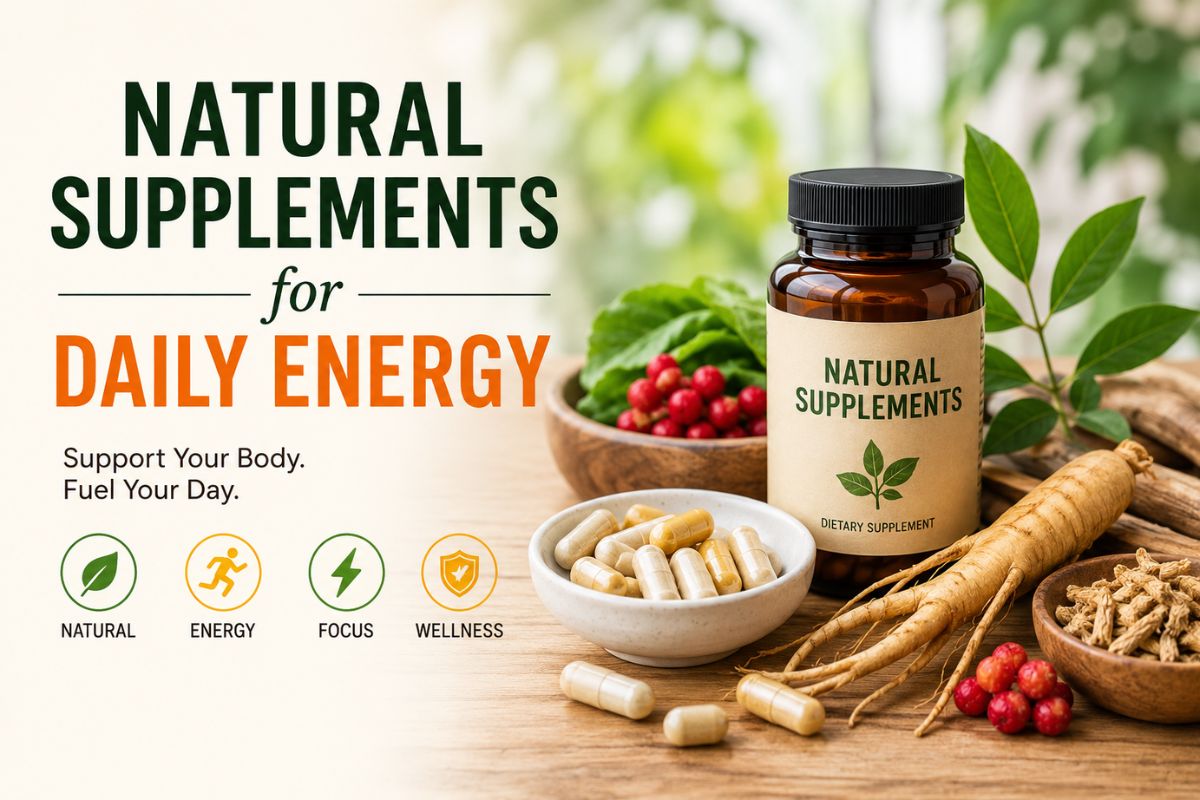
Natural supplements that may support daily energy include B-complex vitamins, magnesium, Coenzyme Q10 (CoQ10), iron (when a deficiency exists), Rhodiola rosea, Panax ginseng, and ashwagandha. These supplements work in different ways, such as supporting cellular energy production, helping the body adapt to stress, or correcting nutrient deficiencies. They are most effective when combined with healthy lifestyle habits like adequate sleep, balanced nutrition, hydration, and regular exercise.
Many people experience occasional low energy due to busy schedules, poor sleep, stress, or nutritional gaps. While no supplement can replace healthy habits, certain natural supplements may help support normal energy production and reduce feelings of fatigue when used alongside a balanced lifestyle.
Choosing the right supplement starts with understanding your body’s needs. The best natural supplements for daily energy are those backed by scientific research, manufactured by reputable companies, and used as part of an overall wellness routine.
Why Energy Levels Change
Feeling tired from time to time is normal, but persistent fatigue can have many possible causes, including:
- Poor sleep quality
- Chronic stress
- Inadequate nutrition
- Low physical activity
- Dehydration
- Vitamin or mineral deficiencies
- Certain medical conditions
Before starting supplements, it’s important to identify the underlying reason for low energy, especially if fatigue is severe or long-lasting.
Best Natural Supplements for Daily Energy
1. B-Complex Vitamins
B vitamins are essential for converting carbohydrates, fats, and proteins into usable energy. They also support nervous system function and healthy red blood cell production.
Important B vitamins include:
- Vitamin B1 (Thiamine)
- Vitamin B2 (Riboflavin)
- Vitamin B3 (Niacin)
- Vitamin B6
- Vitamin B12
- Folate
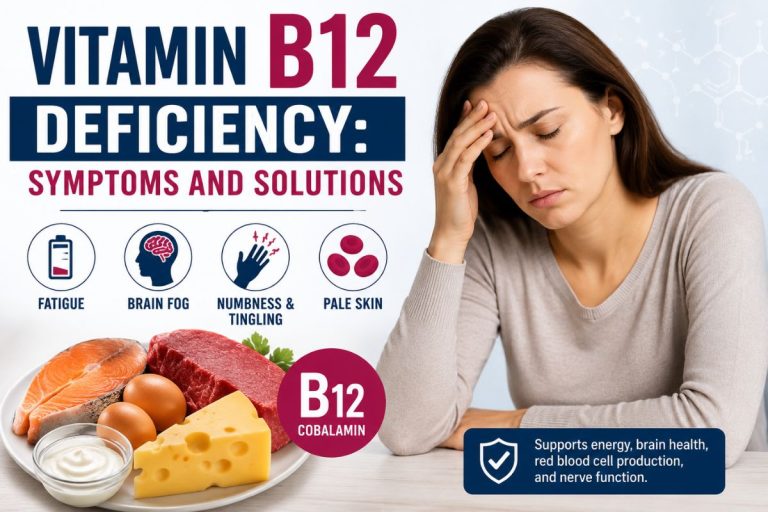
People following vegetarian or vegan diets may be at greater risk of vitamin B12 deficiency and should discuss appropriate supplementation with a healthcare professional.
2. Coenzyme Q10 (CoQ10)
CoQ10 is a naturally occurring compound involved in cellular energy production. It helps cells produce adenosine triphosphate (ATP), the body’s primary energy source.
Some research suggests CoQ10 supplementation may help support energy levels in certain individuals, particularly older adults or those taking medications that reduce CoQ10 levels.
3. Magnesium
Magnesium participates in hundreds of biochemical reactions, including those involved in energy metabolism.
Adequate magnesium intake supports:
- Muscle function
- Normal nerve function
- Healthy energy production
- Protein synthesis
Because many adults consume less magnesium than recommended, supplementation may be beneficial when dietary intake is insufficient.
4. Iron
Iron is necessary for transporting oxygen throughout the body. Low iron levels can contribute to fatigue, weakness, and reduced physical performance.
Iron supplements should only be taken when recommended by a healthcare professional, as excessive iron intake can be harmful.
5. Rhodiola Rosea
Rhodiola rosea is an adaptogenic herb traditionally used to help the body cope with physical and mental stress.
Some studies suggest Rhodiola may help reduce fatigue and improve mental performance during periods of stress, although more research is needed.
6. Panax Ginseng
Panax ginseng has been used in traditional medicine for centuries. Modern research indicates it may help support physical endurance, cognitive performance, and overall vitality in some individuals.
Benefits can vary depending on dosage, duration, and individual health status.
7. Ashwagandha
Ashwagandha is another well-known adaptogen that may help the body respond to stress.
Research suggests it may support:
- Stress management
- Healthy cortisol levels
- Improved energy
- Better physical performance
Its benefits are often most noticeable when combined with healthy lifestyle habits.
How to Choose a Quality Energy Supplement
Not all supplements meet the same quality standards. When shopping for natural energy supplements, consider the following:
- Choose products from reputable manufacturers.
- Look for third-party quality testing.
- Review the ingredient list carefully.
- Avoid products with excessive stimulants.
- Select supplements that match your specific nutritional needs.
Transparent labeling and independent testing are important indicators of product quality.
Indo Health is dedicated to helping you discover the best and most trusted dietary supplements available in the United States.
Lifestyle Habits That Naturally Support Energy
Supplements work best when paired with healthy daily habits.
To naturally support energy levels:
- Eat balanced meals that include protein, healthy fats, and whole grains.
- Stay well hydrated throughout the day.
- Aim for 7–9 hours of quality sleep each night.
- Engage in regular physical activity.
- Manage stress through relaxation techniques or mindfulness.
- Limit excessive alcohol intake and avoid smoking.
These habits often have a greater impact on long-term energy than supplements alone.
What Does Research Say?
Scientific research indicates that supplements are most beneficial when they address a genuine nutritional deficiency or specific health need. For example, correcting deficiencies in iron, vitamin B12, or vitamin D may improve energy in people who are deficient.
Adaptogenic herbs such as Rhodiola rosea and ashwagandha have shown promising results in some clinical studies for reducing fatigue and supporting stress resilience. However, responses vary among individuals, and further high-quality research is ongoing.
Rather than relying on a single “energy supplement,” healthcare professionals generally recommend a comprehensive approach that includes balanced nutrition, physical activity, restorative sleep, and routine preventive care.
Frequently Asked Questions
Q. Which vitamin is best for increasing energy?
B-complex vitamins play an important role in normal energy metabolism. However, they are most beneficial when a deficiency or increased nutritional need exists.
Q. Are natural energy supplements safe?
Many natural supplements are considered safe when used as directed. However, they can interact with medications or may not be appropriate for everyone. Consult a healthcare professional before starting a new supplement.
Q. Can supplements replace sleep?
No. Supplements cannot replace adequate sleep. Consistently getting enough high-quality sleep remains one of the most effective ways to support healthy energy levels.
Q. How long does it take to notice results?
The timeframe varies depending on the supplement, your overall health, and whether you have a nutritional deficiency. Some people notice improvements within weeks, while others may require longer.
Final Thoughts
Natural supplements for daily energy can play a supportive role in overall wellness, especially when they help correct nutrient deficiencies or complement healthy lifestyle habits. B-complex vitamins, magnesium, CoQ10, iron (when appropriate), Rhodiola rosea, Panax ginseng, and ashwagandha are among the most commonly researched options.
When choosing a supplement, prioritize quality, evidence-based ingredients, and reputable manufacturers. Most importantly, remember that lasting energy is built on a foundation of nutritious food, regular exercise, quality sleep, stress management, and routine healthcare.
Health Disclaimer: This article is intended for informational and educational purposes only and should not be considered medical advice. Dietary supplements are not intended to diagnose, treat, cure, or prevent any disease. Consult a qualified healthcare professional before starting any new supplement, especially if you are pregnant, nursing, have a medical condition, or take prescription medications.
References
- National Institutes of Health Office of Dietary Supplements – Dietary Supplements
https://ods.od.nih.gov/ - National Institutes of Health Office of Dietary Supplements – Magnesium Fact Sheet for Consumers
https://ods.od.nih.gov/factsheets/Magnesium-Consumer/ - National Institutes of Health Office of Dietary Supplements – Vitamin B12 Fact Sheet for Consumers
https://ods.od.nih.gov/factsheets/VitaminB12-Consumer/ - MedlinePlus – Vitamins and Minerals
https://medlineplus.gov/vitamins.html - Harvard T.H. Chan School of Public Health – The Nutrition Source: Vitamins
https://nutritionsource.hsph.harvard.edu/vitamins/