Popular Fitness Supplements: Benefits and Uses
Quick Answer
Popular fitness supplements include protein powder, creatine, BCAAs, electrolytes, omega-3 fatty acids, caffeine, multivitamins, and pre-workout formulas. These supplements may support muscle recovery, exercise performance, hydration, and overall wellness when combined with a balanced diet, regular exercise, and healthy lifestyle habits.
Staying active and maintaining a healthy lifestyle often involves a combination of balanced nutrition, regular exercise, and proper recovery. While whole foods should always be the foundation of a healthy diet, fitness supplements can help fill nutritional gaps and support specific fitness goals when used appropriately.
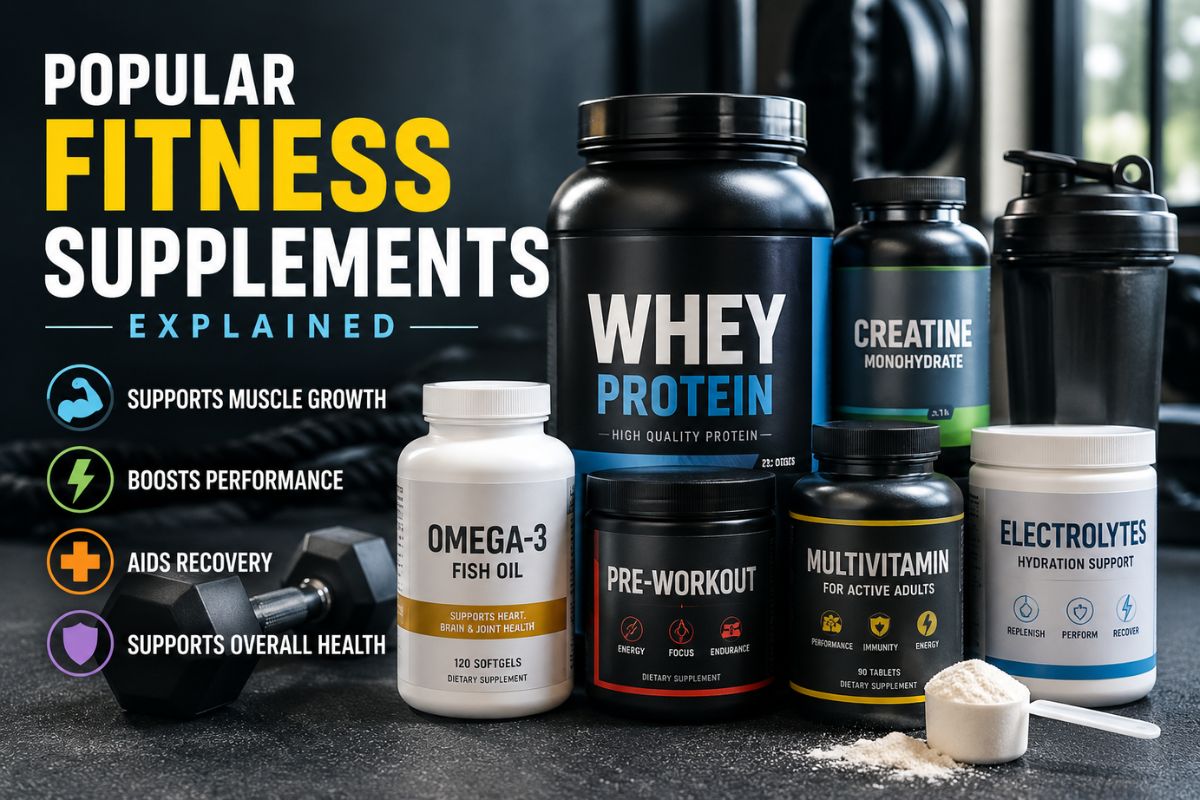
Popular fitness supplements include protein powder, creatine, branched-chain amino acids (BCAAs), electrolytes, omega-3 fatty acids, caffeine, and multivitamins. Each supplement serves a different purpose, and understanding how they work can help you make informed decisions based on your individual health and fitness needs.
Why Do People Use Fitness Supplements?
Fitness supplements are designed to complement—not replace—a nutritious diet. People may use supplements to support muscle recovery, maintain energy levels during exercise, improve nutrient intake, or meet increased nutritional demands associated with regular physical activity.
However, supplements are most effective when combined with consistent training, adequate sleep, proper hydration, and a balanced eating pattern.
1. Protein Powder
Protein is one of the most widely used fitness supplements because it supports muscle repair and growth after exercise. Common types include whey, casein, soy, pea, and plant-based protein blends.
Potential Benefits
- Supports muscle recovery after workouts
- Helps maintain lean muscle mass
- Convenient source of dietary protein
- May promote fullness between meals
Most healthy adults can meet their protein needs through food, but protein powders may offer convenience for individuals with busy lifestyles or increased protein requirements.
2. Creatine Monohydrate
Creatine is among the most extensively researched sports nutrition supplements. It naturally occurs in muscle tissue and helps produce energy during short, high-intensity activities.
Potential Benefits
- Supports strength and power during resistance training
- May improve exercise performance
- Helps increase muscle phosphocreatine stores
- Supports lean muscle development when combined with training
Research consistently suggests that creatine monohydrate is both effective and well-studied when taken according to recommended guidelines.
3. Branched-Chain Amino Acids (BCAAs)
BCAAs consist of three essential amino acids:
- Leucine
- Isoleucine
- Valine
These amino acids play important roles in muscle protein synthesis.
Potential Benefits
- May support muscle recovery
- Can reduce exercise-related muscle soreness in some individuals
- Helps provide essential amino acids during prolonged training
People who already consume adequate daily protein may receive less additional benefit from standalone BCAA supplements compared to those with lower protein intake.
4. Electrolyte Supplements
Electrolytes such as sodium, potassium, magnesium, and calcium help regulate fluid balance, muscle contractions, and nerve function.
Potential Benefits
- Support hydration during prolonged exercise
- Help replace minerals lost through sweat
- May reduce the risk of dehydration during endurance activities
For most moderate workouts, water is sufficient. Electrolyte supplements become more beneficial during long-duration exercise, hot environments, or heavy sweating.
5. Omega-3 Fatty Acids
Omega-3 fatty acids are commonly found in fish oil and algae-based supplements.
Potential Benefits
- Support heart health
- Promote healthy inflammatory responses
- Help maintain brain function
- Support joint health
Although omega-3 supplements are not performance-enhancing products, they may contribute to overall wellness for physically active individuals.
6. Caffeine
Caffeine is one of the most widely studied performance ingredients and is commonly found in coffee, tea, and pre-workout supplements.
Potential Benefits
- May improve alertness
- Supports mental focus
- Can enhance endurance performance
- May reduce perceived exercise fatigue
Because caffeine affects individuals differently, it is important to consider personal tolerance and avoid excessive intake.
7. Multivitamins
Regular exercise increases the body’s demand for many vitamins and minerals. A quality multivitamin may help fill nutritional gaps for individuals whose diets are not consistently balanced.
Important nutrients often included are:
- Vitamin D
- Vitamin C
- B-complex vitamins
- Zinc
- Magnesium
- Iron (when appropriate)
A multivitamin should supplement—not replace—a nutrient-rich diet.
8. Pre-Workout Supplements
Pre-workout formulas typically combine ingredients such as caffeine, beta-alanine, citrulline, and vitamins.
Potential Benefits
- Increased workout motivation
- Improved energy before exercise
- Enhanced training focus
- Support for workout performance
Since formulations vary widely, carefully review ingredient labels before choosing a product.
Are Fitness Supplements Safe?
Many fitness supplements are considered safe for healthy adults when used as directed. However, product quality and ingredient transparency can vary between manufacturers.
When selecting supplements:
- Choose reputable brands.
- Look for third-party testing or quality certification.
- Follow recommended serving sizes.
- Avoid products that promise unrealistic or instant results.
Certain supplements may interact with medications or be inappropriate for people with specific health conditions. Consulting a qualified healthcare professional is recommended before starting any new supplement regimen.
Do You Really Need Fitness Supplements?
Not everyone needs supplements. Many recreational exercisers can achieve their fitness goals through:
- Balanced nutrition
- Progressive exercise
- Quality sleep
- Adequate hydration
- Consistent recovery
Supplements are most useful when they address a genuine nutritional gap or support a specific training objective.
Tips for Choosing Quality Fitness Supplements
Before purchasing a supplement, consider the following:
- Check the ingredient list carefully.
- Avoid proprietary blends with undisclosed ingredient amounts.
- Select products tested by independent third-party organizations.
- Choose supplements appropriate for your age, activity level, and health goals.
- Read the product label and follow dosage instructions.
Indo Health is dedicated to helping you discover the best and most trusted dietary supplements available in the United States.
Frequently Asked Questions
Which fitness supplement is best for beginners?
A high-quality protein powder is often one of the simplest supplements for beginners who struggle to meet their daily protein needs through food alone.
Is creatine safe for long-term use?
Research has found creatine monohydrate to be one of the most extensively studied sports supplements. When used as directed by healthy adults, it has demonstrated a strong safety profile in numerous studies.
Can supplements replace healthy eating?
No. Supplements are designed to complement a balanced diet rather than replace nutrient-rich whole foods.
Should I take multiple supplements together?
Some supplements can be used together, but individual needs vary. A healthcare professional or registered dietitian can help determine what is appropriate for your circumstances.
Final Thoughts
Understanding popular fitness supplements can help you make informed decisions that align with your health and fitness goals. While products like protein powder, creatine, omega-3 fatty acids, and multivitamins may provide nutritional support for some individuals, they work best alongside a balanced diet, consistent exercise, and healthy lifestyle habits.
Rather than searching for a single “magic” supplement, focus on building sustainable habits that support long-term wellness. Choosing evidence-based supplements from reputable manufacturers and consulting a healthcare professional when needed can help ensure that your supplement routine is both safe and effective.
Health Disclaimer: This article is intended for informational and educational purposes only and should not be considered medical advice. Dietary supplements are not intended to diagnose, treat, cure, or prevent any disease. Always consult a qualified healthcare professional before starting any new supplement, especially if you are pregnant, nursing, taking medications, or have an existing medical condition.
References
- National Institutes of Health (NIH) – Office of Dietary Supplements: Dietary Supplements for Exercise and Athletic Performance
https://ods.od.nih.gov/factsheets/ExerciseAndAthleticPerformance-Consumer/ - International Society of Sports Nutrition (ISSN) Position Stand: Creatine Supplementation
https://jissn.biomedcentral.com/articles/10.1186/s12970-021-00412-w - MedlinePlus – Dietary Supplements
https://medlineplus.gov/dietarysupplements.html - Harvard T.H. Chan School of Public Health – The Nutrition Source: Protein
https://nutritionsource.hsph.harvard.edu/protein/ - Mayo Clinic – Nutrition and Healthy Eating: Dietary Supplements
https://www.mayoclinic.org/healthy-lifestyle/nutrition-and-healthy-eating/in-depth/dietary-supplements/art-20044894