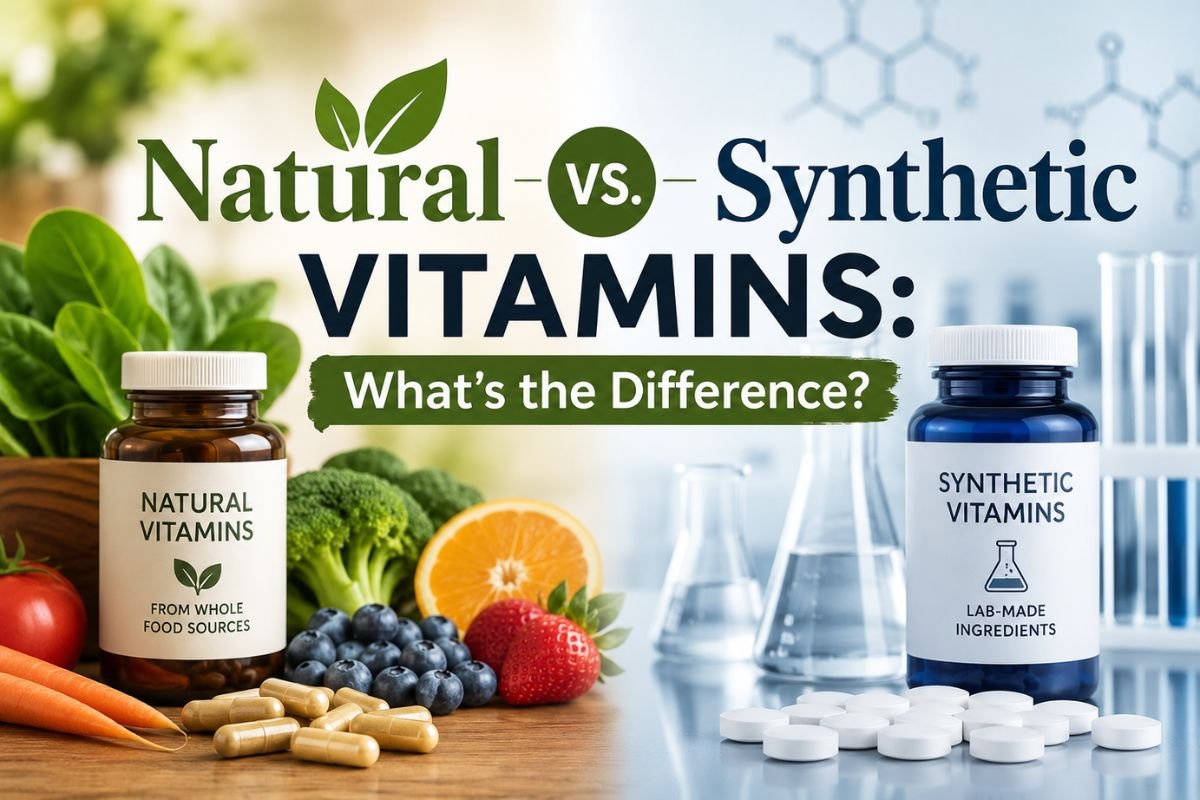
Vitamins play a crucial role in maintaining overall health and wellness. From supporting the immune system to promoting healthy bones and energy production, these essential nutrients help the body perform countless functions every day. With millions of Americans taking dietary supplements regularly, one common question often arises: What is the difference between natural and synthetic vitamins?
Understanding how these vitamins are made, how the body uses them, and whether one is better than the other can help consumers make informed decisions about their health.
What Are Natural Vitamins?
Natural vitamins are nutrients derived directly from whole-food sources such as fruits, vegetables, herbs, and other natural ingredients. These vitamins are extracted from food-based materials and are often marketed as being closer to the form found in nature.
For example, vitamin C extracted from acerola cherries or citrus fruits is considered a natural source of vitamin C. Similarly, vitamin E obtained from vegetable oils is generally classified as natural.
Many consumers prefer natural vitamins because they believe they are more easily recognized and utilized by the body. Natural vitamin supplements may also contain additional plant compounds, antioxidants, and phytonutrients that are naturally present in the source material.
What Are Synthetic Vitamins?
Synthetic vitamins are manufactured in laboratories through chemical processes designed to replicate the molecular structure of naturally occurring vitamins. Despite their laboratory origin, synthetic vitamins often have the same chemical composition as their natural counterparts.
For example, synthetic vitamin C, commonly known as ascorbic acid, is chemically identical to the vitamin C found in oranges and other fruits. Synthetic vitamins are widely used in dietary supplements, fortified foods, and prescription products because they can be produced efficiently and consistently.
Many breakfast cereals, energy bars, and fortified beverages available in the United States contain synthetic vitamins to help consumers meet their daily nutrient requirements.
How Are They Different?
The primary difference between natural and synthetic vitamins lies in their source rather than their basic function.
Natural vitamins originate from food sources, while synthetic vitamins are created through industrial manufacturing processes. In some cases, the chemical structure of synthetic vitamins is identical to that of natural vitamins. However, certain vitamins exist in multiple forms, and synthetic versions may not always perfectly replicate the full spectrum of compounds found in whole foods.
For instance, natural vitamin E contains several related compounds called tocopherols and tocotrienols. Some synthetic vitamin E products may contain only one form, which could influence how the body absorbs and utilizes it.
This distinction has fueled ongoing discussions among nutrition experts about potential differences in bioavailability and effectiveness.
Does the Body Absorb Natural Vitamins Better?
Many people assume that natural vitamins are always absorbed better than synthetic versions, but the answer is not always straightforward.
Research suggests that for several vitamins, including vitamin C and many B vitamins, the body absorbs natural and synthetic forms similarly. Once consumed, these nutrients often become chemically indistinguishable within the body.
However, certain vitamins may show differences in absorption or retention. For example, some studies have indicated that natural vitamin E may remain active in the bloodstream longer than synthetic forms.
The overall effectiveness of a vitamin supplement depends on multiple factors, including:
- Individual health status
- Age
- Digestive health
- Nutrient deficiencies
- Dosage
- Supplement quality
As a result, absorption can vary significantly from one person to another.
Are Natural Vitamins Safer?
Both natural and synthetic vitamins can be safe when used appropriately and according to recommended guidelines.
In the United States, dietary supplements are regulated under federal laws that require manufacturers to follow quality standards. However, consumers should understand that “natural” does not automatically mean safer or more effective.
Excessive intake of certain vitamins can lead to side effects regardless of whether the source is natural or synthetic. For example, high doses of vitamin A, vitamin D, and certain minerals can potentially cause health problems if consumed in excessive amounts over time.
The key is choosing reputable products and following recommended serving instructions.
Cost Differences Between Natural and Synthetic Vitamins
One factor that influences consumer choices is cost.
Natural vitamin supplements are often more expensive because sourcing nutrients from whole foods requires additional processing, extraction, and quality control measures. Synthetic vitamins can typically be produced on a larger scale at lower costs, making them more affordable for many households.
For Americans looking to maintain a balanced supplement routine without significantly increasing healthcare expenses, synthetic vitamins often provide a practical and cost-effective option.
Whole Foods Still Come First
While supplements can help fill nutritional gaps, health professionals generally agree that obtaining nutrients from a balanced diet should remain the primary goal.
Whole foods provide vitamins alongside fiber, healthy fats, antioxidants, and numerous beneficial compounds that supplements cannot always fully replicate. Fruits, vegetables, whole grains, lean proteins, and healthy fats work together to support overall health in ways that isolated nutrients may not.
Supplements are best viewed as a complement to healthy eating rather than a replacement for it.
Which Type Should You Choose?
The choice between natural and synthetic vitamins ultimately depends on personal preferences, nutritional needs, budget, and health goals.
Some individuals prefer natural supplements because they value food-based ingredients and minimal processing. Others choose synthetic vitamins because they are widely available, affordable, and supported by extensive scientific research.
When selecting a supplement, consider factors such as ingredient quality, third-party testing, dosage, and transparency from the manufacturer rather than focusing solely on whether a vitamin is natural or synthetic.
Conclusion
Natural and synthetic vitamins both play important roles in modern nutrition. While they differ in their sources and manufacturing methods, many provide similar nutritional benefits when used correctly. Natural vitamins come from food-based ingredients, while synthetic vitamins are created in laboratories to mimic naturally occurring nutrients.
For most Americans, the best approach is to prioritize a nutrient-rich diet and use supplements strategically when needed. Understanding the differences between natural and synthetic vitamins can help consumers make informed decisions that support their long-term health and wellness goals.