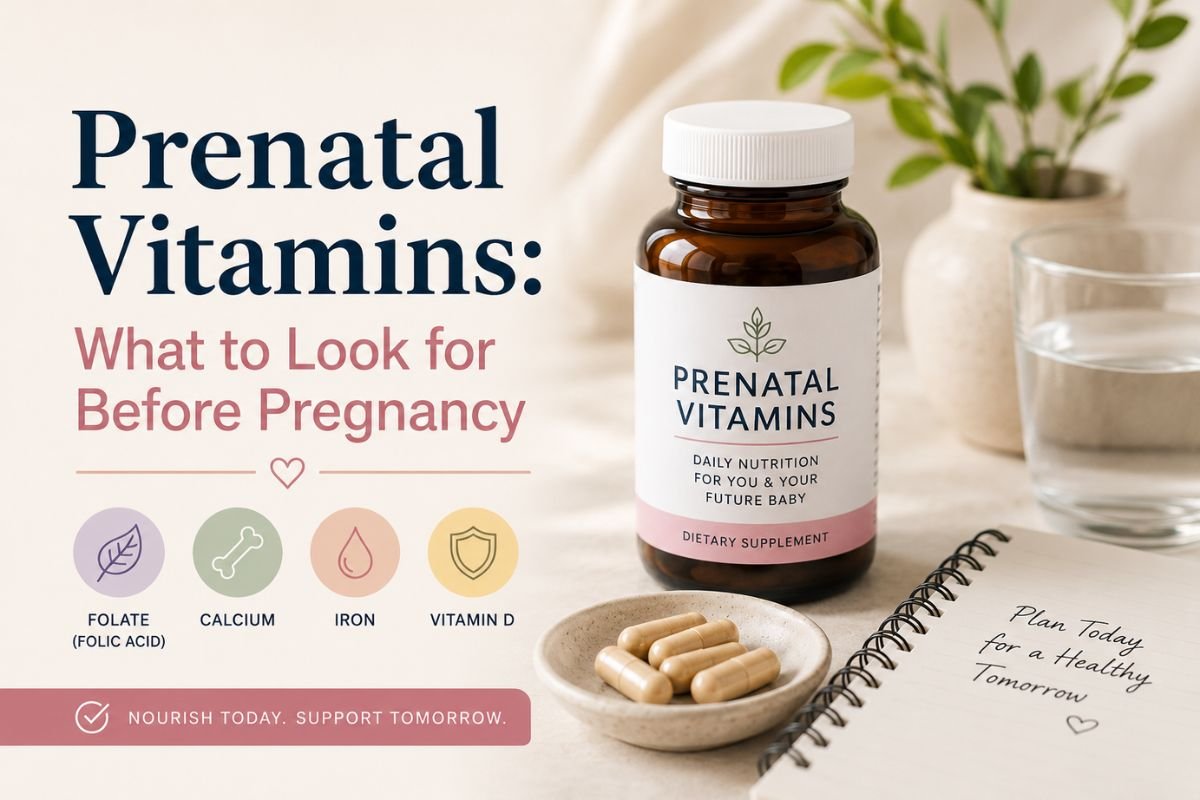
Planning for pregnancy involves more than choosing baby names and preparing a nursery. One of the most important steps women can take before conception is ensuring their bodies have the nutrients needed to support a healthy pregnancy. Prenatal vitamins are specially formulated supplements designed to provide essential vitamins and minerals that help support both maternal health and fetal development.
For women in the United States who are thinking about becoming pregnant, understanding what to look for in a prenatal vitamin can help make informed decisions and support a healthy start for both mother and baby.
Why Take Prenatal Vitamins Before Pregnancy?
Many healthcare professionals recommend starting prenatal vitamins at least one to three months before trying to conceive. This is because some critical stages of fetal development occur very early in pregnancy, often before a woman even knows she is pregnant.
Prenatal vitamins help fill nutritional gaps that may exist in the diet and ensure adequate intake of key nutrients that support early fetal growth. While a healthy diet remains essential, supplements can provide additional nutritional support during the preconception period.
Key Nutrients to Look for in a Prenatal Vitamin
Not all prenatal vitamins are identical. When comparing products, women should pay close attention to the nutrient profile and amounts included.
Folic Acid
Folic acid is one of the most important nutrients for women planning a pregnancy. It plays a crucial role in the formation of the baby’s neural tube, which develops into the brain and spinal cord.
Health experts in the United States generally recommend that women of childbearing age consume 400 to 800 micrograms (mcg) of folic acid daily. Adequate intake before and during early pregnancy can help reduce the risk of certain birth defects affecting the brain and spine.
Iron
Iron supports the production of red blood cells and helps transport oxygen throughout the body. During pregnancy, blood volume increases significantly, increasing iron requirements.
Many prenatal vitamins contain around 27 milligrams of iron, which is commonly recommended during pregnancy. Women who have a history of anemia may need individualized guidance from their healthcare provider.
Calcium
Calcium is essential for building strong bones and teeth for both mother and baby. If dietary calcium intake is insufficient, the body may draw calcium from the mother’s bones to support fetal development.
Prenatal vitamins may contain some calcium, but many do not provide the full recommended daily amount. Women should also consume calcium-rich foods such as dairy products, fortified plant-based beverages, and leafy green vegetables.
Vitamin D
Vitamin D helps the body absorb calcium and supports bone health and immune function. Many Americans do not get enough vitamin D through diet and sunlight exposure alone.
A prenatal vitamin should contain vitamin D to help support maternal and fetal health. Women who have known vitamin D deficiencies may require additional supplementation under medical supervision.
Iodine
Iodine supports healthy thyroid function and fetal brain development. Because iodine intake can vary depending on dietary habits, it is often included in quality prenatal formulas.
Women should look for a prenatal vitamin that provides adequate iodine to help support healthy pregnancy outcomes.
Omega-3 Fatty Acids
Some prenatal supplements include omega-3 fatty acids, particularly DHA (docosahexaenoic acid). DHA plays an important role in the development of the baby’s brain and eyes.
While not every prenatal vitamin contains DHA, many women choose a prenatal supplement that includes it or take a separate omega-3 supplement as recommended by their healthcare provider.
Factors to Consider When Choosing a Prenatal Vitamin
Quality and Third-Party Testing
Dietary supplements in the United States are regulated differently than prescription medications. Choosing products from reputable manufacturers that undergo third-party quality testing can provide additional confidence regarding purity and ingredient accuracy.
Ease of Use
Prenatal vitamins come in various forms, including tablets, capsules, softgels, gummies, and powders. Some women may find certain forms easier to take than others.
It is important to note that gummy prenatal vitamins sometimes contain lower amounts of iron or other nutrients, so reviewing the label carefully is essential.
Tolerance and Digestive Comfort
Some women experience nausea, constipation, or stomach discomfort when taking prenatal vitamins. Formulations differ, and finding one that is well tolerated can improve consistency with supplementation.
Taking prenatal vitamins with food or before bedtime may help reduce digestive discomfort for some individuals.
Dietary Preferences
Many prenatal supplements are available in vegetarian, vegan, gluten-free, or allergen-friendly formulations. Women with specific dietary preferences or food sensitivities should review ingredient labels carefully.
Can Prenatal Vitamins Replace a Healthy Diet?
Prenatal vitamins are intended to supplement a healthy diet, not replace one. A balanced eating plan rich in fruits, vegetables, whole grains, lean proteins, and healthy fats remains the foundation of good nutrition before and during pregnancy.
Foods provide a wide range of beneficial nutrients, fiber, and plant compounds that supplements alone cannot fully replicate. Combining nutritious eating habits with appropriate supplementation offers the best approach to supporting overall health.
Final Thoughts
Choosing a prenatal vitamin before pregnancy is an important step in preparing for a healthy pregnancy journey. Women should look for products that contain essential nutrients such as folic acid, iron, calcium, vitamin D, iodine, and, when appropriate, DHA.
Because nutritional needs can vary from person to person, consulting with a healthcare provider before starting any supplement is recommended. By beginning prenatal supplementation before conception and maintaining healthy lifestyle habits, women can help support their own well-being while providing a strong nutritional foundation for their future baby.