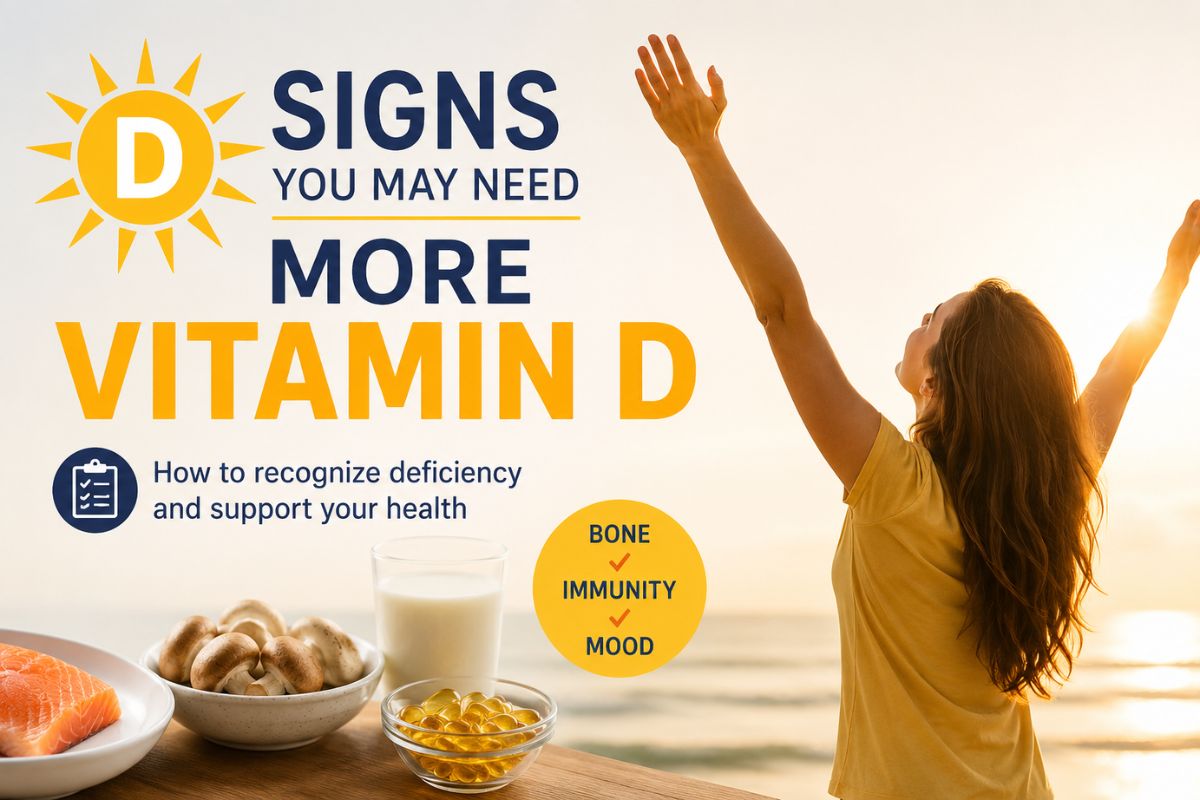
Signs You May Need More Vitamin D
Vitamin D is often called the “sunshine vitamin” because your body produces it when your skin is exposed to sunlight. Despite its importance, vitamin D deficiency remains surprisingly common in the United States. According to health experts, millions of Americans may have insufficient vitamin D levels, often without realizing it.
Vitamin D plays a crucial role in supporting bone health, immune function, muscle performance, and overall well-being. When your body doesn’t get enough of this essential nutrient, it may begin showing subtle signs that are easy to overlook. Understanding these warning signs can help you take proactive steps to maintain your health.
Why Vitamin D Matters
Vitamin D helps your body absorb calcium and phosphorus, two minerals essential for strong bones and teeth. It also supports healthy muscle function and contributes to the normal functioning of the immune system. In recent years, researchers have continued to explore vitamin D’s role in various aspects of health, making it one of the most studied nutrients worldwide.
While sunlight is a natural source of vitamin D, many Americans spend much of their time indoors, use sunscreen regularly, or live in regions with limited sunlight during certain seasons. These factors can increase the risk of low vitamin D levels.
Common Signs You May Need More Vitamin D
1. Frequent Fatigue and Low Energy
Feeling tired occasionally is normal, but persistent fatigue may sometimes be associated with low vitamin D levels. Some people report feeling unusually exhausted even after getting enough sleep. While fatigue can result from many factors, vitamin D deficiency is one potential contributor worth discussing with a healthcare provider.
2. Bone and Back Pain
Vitamin D plays a vital role in maintaining bone health. Low levels may contribute to discomfort in the bones, lower back, or joints. Since vitamin D helps the body absorb calcium, insufficient levels can affect bone strength over time.
Adults experiencing unexplained bone pain or recurring aches may benefit from having their vitamin D levels evaluated.
3. Muscle Weakness
Muscles require vitamin D for proper function. If you notice unusual muscle weakness, difficulty climbing stairs, or reduced physical performance, low vitamin D could be a contributing factor.
Research suggests that adequate vitamin D levels are important for maintaining muscle strength, particularly in older adults.
4. Getting Sick More Often
Vitamin D supports normal immune system function. Some studies have found associations between low vitamin D levels and increased susceptibility to certain illnesses.
If you frequently experience colds, seasonal illnesses, or recurring infections, it may be worthwhile to discuss vitamin D testing with your healthcare provider.
5. Mood Changes
Mental well-being can be influenced by many factors, including nutrition. Some research has explored possible connections between vitamin D status and mood. While vitamin D is not a treatment for mental health conditions, maintaining healthy levels may be an important part of overall wellness.
Individuals who experience noticeable mood changes, especially during winter months, may want to consider whether vitamin D intake is adequate.
6. Slow Wound Healing
Vitamin D plays a role in various processes within the body, including those involved in tissue repair. If cuts, scrapes, or minor wounds seem to heal more slowly than expected, nutritional factors such as vitamin D status may be worth investigating.
7. Hair Thinning
Hair loss can occur for numerous reasons, including genetics, stress, hormonal changes, and nutrient deficiencies. Some research suggests that low vitamin D levels may be linked to certain types of hair thinning. Although vitamin D is not the sole factor affecting hair health, maintaining sufficient levels may support overall wellness.
Who Is Most at Risk?
Certain groups of Americans may be more likely to experience low vitamin D levels, including:
- Older adults
- People who spend most of their time indoors
- Individuals with darker skin tones
- People living in northern states with limited winter sunlight
- Those who regularly use sunscreen
- Individuals with certain digestive conditions that affect nutrient absorption
- People who are overweight or obese
If you fall into one of these categories, paying attention to your vitamin D intake may be especially important.
How to Get More Vitamin D
Fortunately, there are several ways to support healthy vitamin D levels:
Sunlight Exposure
Spending time outdoors allows your skin to naturally produce vitamin D. The amount needed varies depending on factors such as skin tone, location, season, and time of day.
Vitamin D-Rich Foods
Include foods that naturally contain or are fortified with vitamin D, such as:
- Fatty fish like salmon and tuna
- Egg yolks
- Fortified milk
- Fortified cereals
- Fortified orange juice
- Some mushrooms
Dietary Supplements
Many Americans choose vitamin D supplements to help meet their nutritional needs. Before starting any supplement, it’s wise to consult a healthcare professional, especially if you have existing medical conditions or take medications.
Indo Health is dedicated to helping you discover the best and most trusted dietary supplements available in the United States.
When to Talk to Your Doctor
The symptoms of vitamin D deficiency can overlap with many other health conditions. If you’re experiencing persistent fatigue, muscle weakness, bone discomfort, or other concerning symptoms, a healthcare provider can determine whether vitamin D testing is appropriate.
A simple blood test can measure your vitamin D levels and help guide any necessary recommendations.
Final Thoughts
Vitamin D is an essential nutrient that supports many important functions throughout the body. While deficiency is common in the United States, recognizing potential warning signs can help you take steps toward maintaining optimal health.
If you frequently feel tired, experience muscle weakness, suffer from recurring illnesses, or notice unexplained bone discomfort, it may be worth evaluating your vitamin D intake. Through a combination of sunlight exposure, a balanced diet, and professional medical guidance, many people can support healthy vitamin D levels and overall wellness.