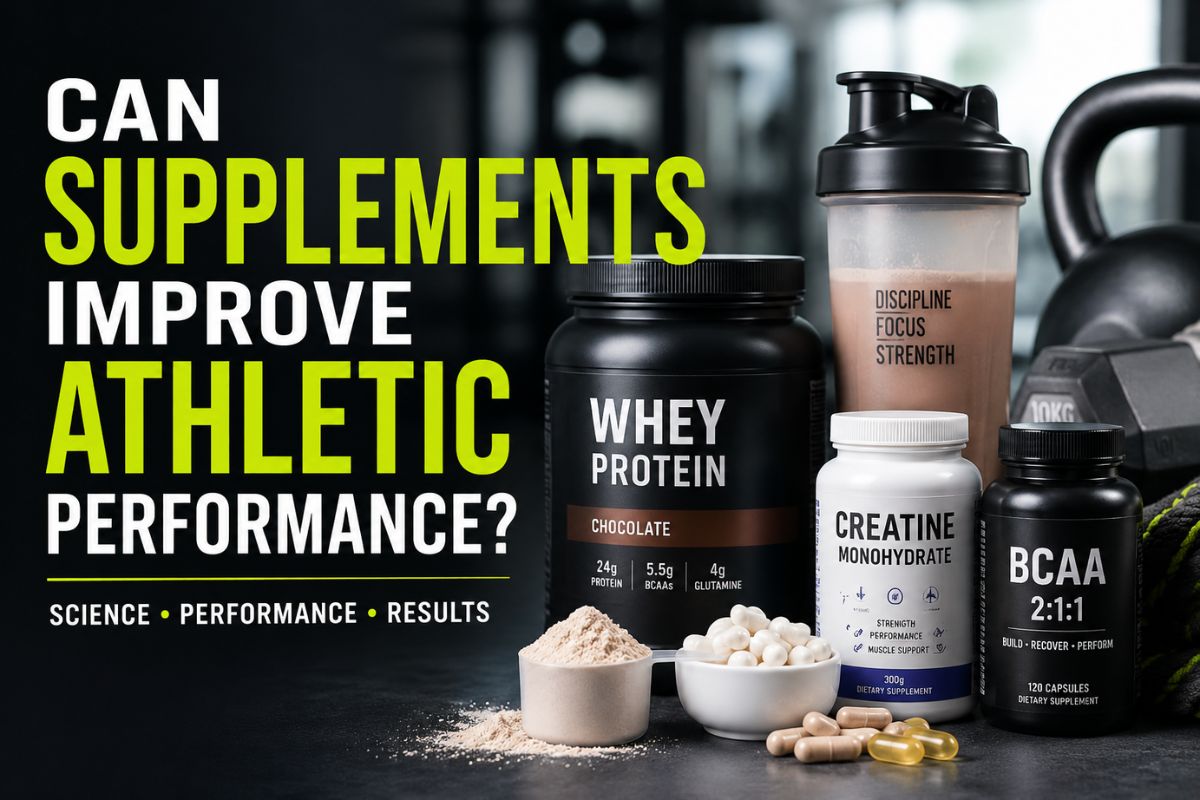
Can Supplements Improve Athletic Performance?
Quick Answer
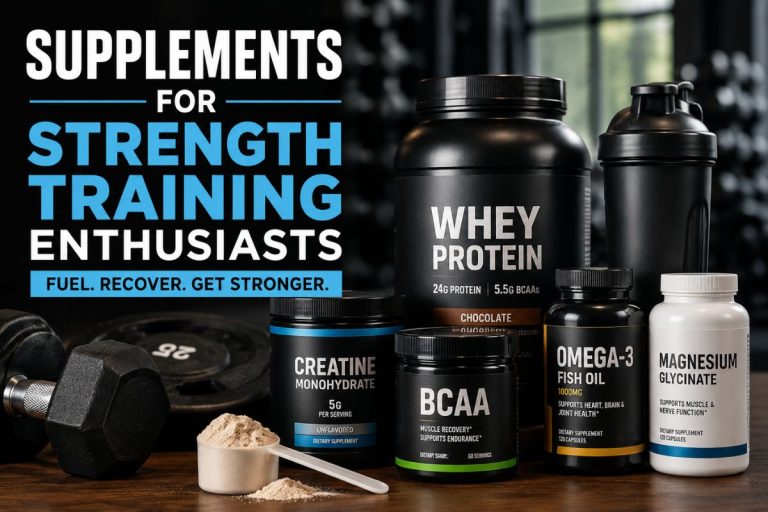
Certain dietary supplements may help improve athletic performance when combined with proper training, nutrition, and recovery. Supplements such as creatine, caffeine, beta-alanine, and protein powders have been studied for their potential to support strength, endurance, muscle recovery, and exercise performance. However, results vary among individuals, and supplements should not replace a balanced diet and structured training program.
Athletes and fitness enthusiasts are constantly looking for ways to improve performance, recover faster, and achieve their training goals. Alongside proper exercise and nutrition, dietary supplements have become increasingly popular among people seeking an extra edge in sports and physical activity.
But can supplements improve athletic performance? The answer is yes—certain supplements may support performance when used appropriately. However, supplements are not magic solutions. Their effectiveness depends on factors such as training quality, diet, sleep, genetics, and overall health.
Understanding which supplements are supported by scientific evidence can help athletes make informed decisions and avoid products that make unrealistic promises.
What Are Performance Supplements?
Performance supplements are products designed to support various aspects of physical activity, including:
- Strength and power
- Endurance
- Muscle growth
- Recovery
- Focus and concentration
- Hydration
These supplements may contain vitamins, minerals, amino acids, herbs, or other compounds that influence exercise performance.
While some products are backed by strong research, others have limited evidence or exaggerated marketing claims.
How Supplements May Support Athletic Performance
Athletic performance depends on many factors, including energy production, muscle function, hydration, and recovery. Certain supplements may help support these processes.
Potential benefits include:
- Increased energy availability
- Improved muscle strength
- Enhanced endurance
- Reduced fatigue
- Faster recovery after exercise
- Better training consistency
It’s important to remember that supplements typically provide the greatest benefit when they address a specific nutritional need or support a well-designed training program.
Creatine: One of the Most Researched Sports Supplements
Creatine is among the most extensively studied supplements in sports nutrition.
Creatine helps muscles produce energy during short bursts of high-intensity activity such as:
- Weightlifting
- Sprinting
- Jumping
- High-intensity interval training
Research suggests that creatine supplementation may help improve:
- Muscle strength
- Power output
- Training performance
- Lean muscle mass gains
Because of its strong scientific support, creatine is often considered one of the most effective supplements for strength and power athletes.
Caffeine and Exercise Performance
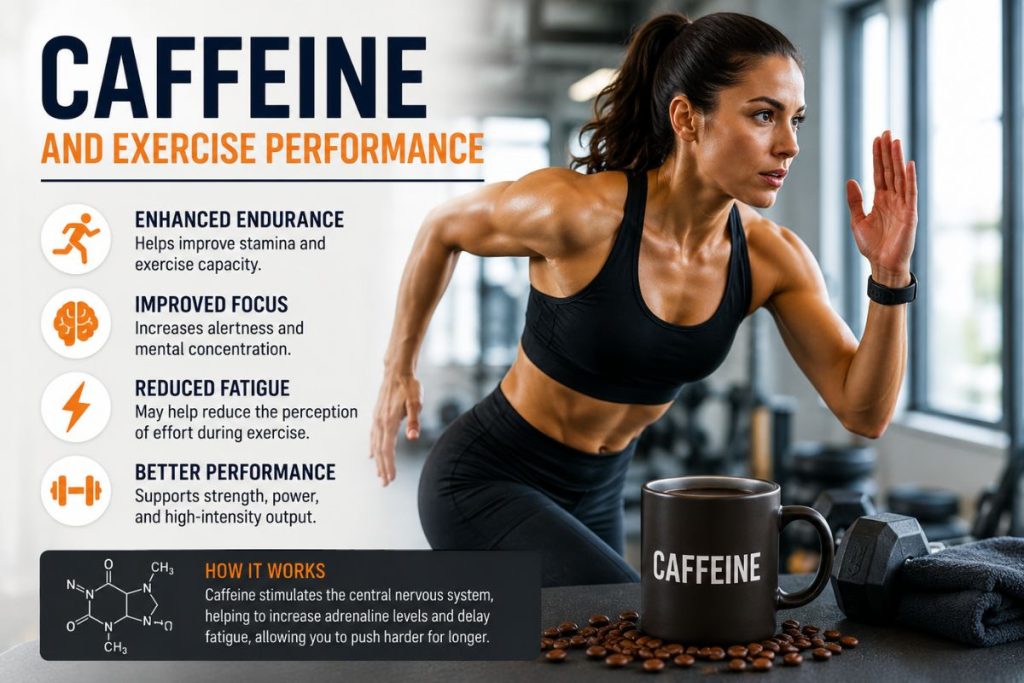
Caffeine is another well-researched performance aid.
It works by stimulating the central nervous system, which may help athletes feel more alert and focused during exercise.
Studies suggest caffeine may support:
- Endurance performance
- Mental focus
- Reaction time
- Reduced perception of fatigue
Many pre-workout products include caffeine because of its ability to enhance exercise performance in some individuals.
However, sensitivity to caffeine varies, and excessive intake may lead to side effects such as nervousness, sleep disturbances, or increased heart rate.
Protein Supplements and Muscle Recovery
Protein is essential for muscle repair and growth.
Athletes who struggle to meet their daily protein needs through food may find protein powders convenient.
Common protein supplements include:
- Whey protein
- Casein protein
- Plant-based protein blends
Protein supplementation may help support:
- Muscle recovery
- Muscle protein synthesis
- Lean muscle development
- Post-workout nutrition
While protein powders can be useful, whole-food protein sources should remain the foundation of a healthy diet.
Beta-Alanine and Endurance
Beta-alanine is an amino acid that helps increase muscle carnosine levels.
Carnosine acts as a buffer against acid buildup during intense exercise, which may help delay fatigue.
Research indicates beta-alanine may benefit activities involving:
- High-intensity exercise
- Repeated sprints
- Short-duration endurance events
Athletes participating in sports that require repeated bursts of effort may experience performance benefits from beta-alanine supplementation.
Electrolytes and Hydration Support
Hydration plays a critical role in athletic performance.
During prolonged exercise, athletes lose fluids and electrolytes through sweat.
Electrolyte supplements commonly contain:
- Sodium
- Potassium
- Magnesium
- Calcium
Maintaining proper hydration may help support:
- Muscle function
- Endurance
- Temperature regulation
- Exercise performance
Athletes who train in hot environments or engage in long-duration exercise may benefit from electrolyte replacement strategies.
Are Multivitamins Helpful for Athletes?
Multivitamins are not typically considered performance-enhancing supplements.
However, they may help athletes maintain adequate nutrient intake when dietary gaps exist.
Certain nutrients play important roles in athletic performance, including:
- Vitamin D
- Iron
- Magnesium
- B vitamins
- Zinc
Athletes with nutrient deficiencies may experience reduced performance, making proper nutrition an important foundation for success.
Potential Risks of Performance Supplements
Not all supplements are beneficial or safe.
Consumers should be cautious of products that claim to:
- Build muscle instantly
- Burn fat rapidly
- Deliver guaranteed results
- Replace proper training
Potential concerns include:
- Inaccurate labeling
- Contaminated products
- Excessive stimulant content
- Drug-testing issues for competitive athletes
Choosing products from reputable manufacturers that undergo third-party testing can help reduce these risks.
Indo Health is dedicated to helping you discover the best and most trusted dietary supplements available in the United States.
What Does Research Say?
Sports nutrition research consistently shows that certain supplements may support athletic performance when combined with proper training and nutrition.
Creatine, caffeine, protein supplementation, and beta-alanine are among the most extensively studied performance aids.
However, experts generally agree that supplements should complement—not replace—fundamental habits such as:
- Consistent training
- Balanced nutrition
- Adequate sleep
- Recovery strategies
- Proper hydration
Athletes who focus on these fundamentals often experience greater benefits than those relying heavily on supplements alone.
Frequently Asked Questions
Do supplements make athletes stronger?
Some supplements, such as creatine, may help support strength gains when combined with resistance training.
What is the best supplement for athletic performance?
There is no single best supplement for everyone. The most effective option depends on an athlete’s goals, sport, and nutritional needs.
Can supplements replace a healthy diet?
No. Supplements are designed to supplement a healthy diet, not replace nutritious foods.
Are sports supplements safe?
Many supplements are safe when used as directed, but quality varies between products. Choosing reputable brands and consulting a healthcare professional is recommended.
Final Thoughts
Supplements can improve athletic performance in certain situations, particularly when they support energy production, recovery, strength, or endurance. Evidence suggests that supplements such as creatine, caffeine, protein powders, and beta-alanine may provide benefits for some athletes.
However, supplements work best when paired with proper training, balanced nutrition, adequate sleep, and consistent recovery practices. Athletes should focus on building a strong foundation of healthy habits before relying on supplements to enhance performance.
Health Disclaimer: This article is for informational purposes only and should not be considered medical advice. Always consult a qualified healthcare professional before starting any dietary supplement, especially if you have a medical condition, take medications, or participate in competitive athletics.
References
- National Institutes of Health (NIH) Office of Dietary Supplements – Dietary Supplements for Exercise and Athletic Performance
https://ods.od.nih.gov/factsheets/ExerciseAndAthleticPerformance-Consumer/ - International Society of Sports Nutrition Position Stand: Creatine Supplementation
https://jissn.biomedcentral.com/articles/10.1186/s12970-017-0173-z - National Institutes of Health (NIH) – Protein and Athletic Performance Resources
https://ods.od.nih.gov - MedlinePlus – Sports Fitness and Nutrition
https://medlineplus.gov/sportsfitness.html - Harvard T.H. Chan School of Public Health – Protein and Nutrition Source
https://nutritionsource.hsph.harvard.edu/protein/