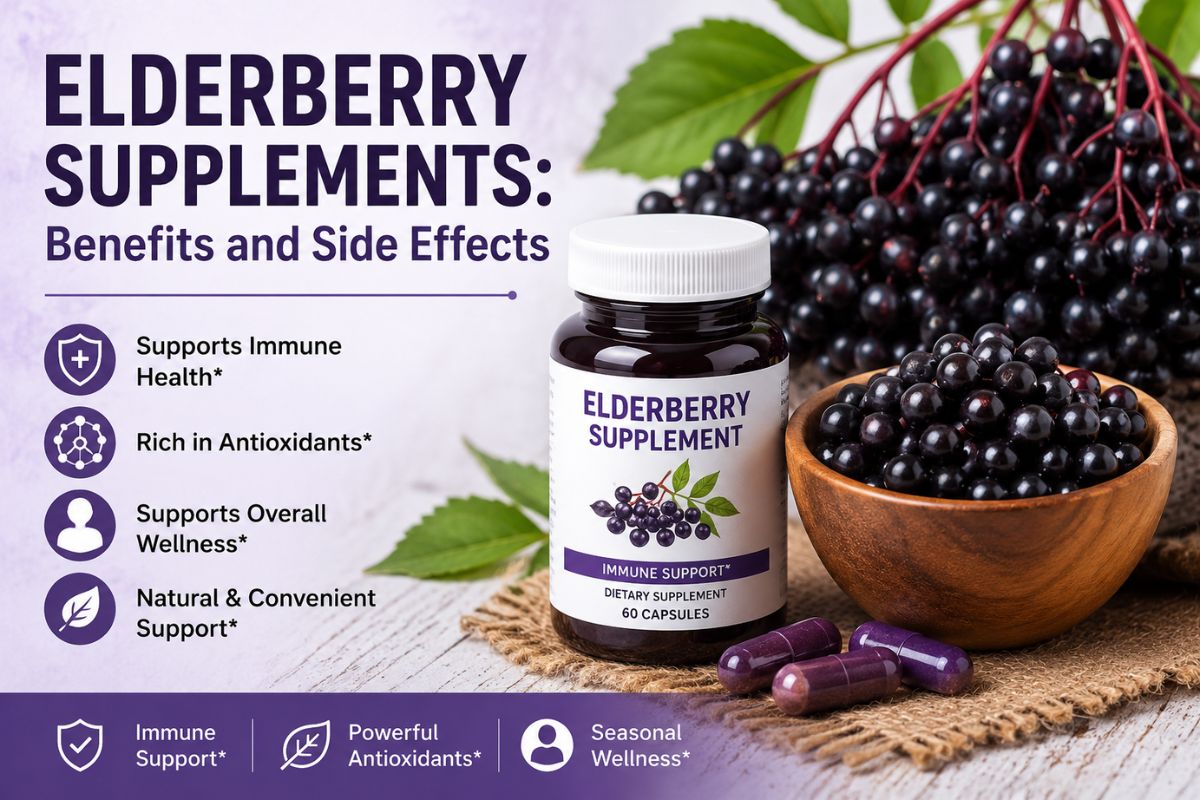
Elderberry Supplements: Benefits and Side Effects
Elderberry supplements have become increasingly popular across the United States as more people look for natural ways to support their overall wellness. Derived from the dark purple berries of the European elder tree (Sambucus nigra), elderberry has a long history of use in traditional medicine. Today, it is commonly available in the form of gummies, capsules, syrups, powders, and lozenges.
While elderberry supplements are often marketed for immune support, many consumers wonder whether the benefits are backed by science and what potential side effects they should know about. Understanding both the advantages and risks can help you make informed decisions about incorporating elderberry into your health routine.
What Is Elderberry?
Elderberry comes from the elder tree, a flowering plant native to Europe but cultivated in many parts of the world. The berries are rich in antioxidants, particularly anthocyanins, which give them their deep purple color. These compounds help protect cells from oxidative stress caused by free radicals.
Historically, elderberry has been used in folk medicine to address various ailments, including colds, flu-like symptoms, and inflammation. Modern supplements are typically made from cooked or processed elderberries, as raw berries can contain compounds that may be harmful if consumed in large amounts.
Potential Benefits of Elderberry Supplements
1. May Support Immune Health
One of the primary reasons Americans use elderberry supplements is for immune support. Elderberries contain antioxidants and plant compounds that may help support the body’s natural defense mechanisms.
Some research suggests that elderberry may help support immune function by encouraging the production of certain immune system responses. While more studies are needed, many people take elderberry during cold and flu season as part of their wellness routine.
2. Rich in Antioxidants
Elderberries are packed with antioxidants, including flavonoids and anthocyanins. Antioxidants play an important role in protecting cells from oxidative damage caused by environmental factors, aging, and everyday stress.
A diet rich in antioxidants may contribute to overall health and help maintain normal cellular function. Elderberry supplements can provide an additional source of these beneficial compounds.
3. May Support Seasonal Wellness
Many consumers turn to elderberry during the winter months when seasonal illnesses are more common. Some studies suggest that elderberry may help reduce the duration and severity of certain upper respiratory symptoms when taken early.
However, elderberry should not be viewed as a cure or replacement for medical treatment. Instead, it may serve as a complementary wellness supplement when combined with healthy habits such as proper nutrition, sleep, and regular exercise.
4. Supports Overall Nutritional Intake
Elderberries naturally contain vitamins and nutrients, including vitamin C, dietary fiber, and various plant compounds. While supplement amounts vary depending on the product, elderberry can contribute additional nutrients to a balanced lifestyle.
5. Convenient and Easy to Use
Elderberry supplements are available in a variety of forms, making them easy to incorporate into daily routines. Gummies are particularly popular among adults and children, while capsules offer a sugar-free alternative for those seeking a more concentrated option.
Potential Side Effects of Elderberry Supplements
Although elderberry supplements are generally considered safe for most healthy adults when used as directed, side effects can occur.
1. Digestive Discomfort
Some people may experience mild digestive issues after taking elderberry supplements. Potential symptoms include:
- Nausea
- Stomach cramps
- Diarrhea
- Upset stomach
These side effects are usually mild and may be more likely when taking higher doses than recommended.
2. Allergic Reactions
Although uncommon, some individuals may be allergic to elderberry or other ingredients found in supplement products. Signs of an allergic reaction may include:
- Skin rash
- Itching
- Swelling
- Difficulty breathing
Anyone experiencing symptoms of an allergic reaction should seek immediate medical attention.
3. Concerns With Raw Elderberries
Raw elderberries, leaves, bark, and stems contain naturally occurring compounds called cyanogenic glycosides. These substances can produce toxic effects if consumed in significant quantities.
Commercial elderberry supplements are typically processed to remove these concerns, but consumers should avoid making homemade elderberry products unless they are prepared correctly.
4. Possible Medication Interactions
Individuals taking medications should consult a healthcare provider before using elderberry supplements. Because elderberry may influence immune system activity, it could potentially interact with certain medications, including:
- Immunosuppressant medications
- Some autoimmune disease treatments
- Certain prescription drugs
A healthcare professional can help determine whether elderberry is appropriate based on your individual health situation.
5. Limited Long-Term Research
While elderberry has been studied for various health applications, long-term human research remains limited. Scientists continue to investigate its effectiveness, optimal dosage, and long-term safety profile.
For this reason, consumers should approach health claims with caution and choose products from reputable manufacturers that follow quality standards.
How to Choose an Elderberry Supplement
When shopping for elderberry supplements in the United States, consider the following factors:
- Look for products from reputable brands.
- Check for third-party testing or quality certifications.
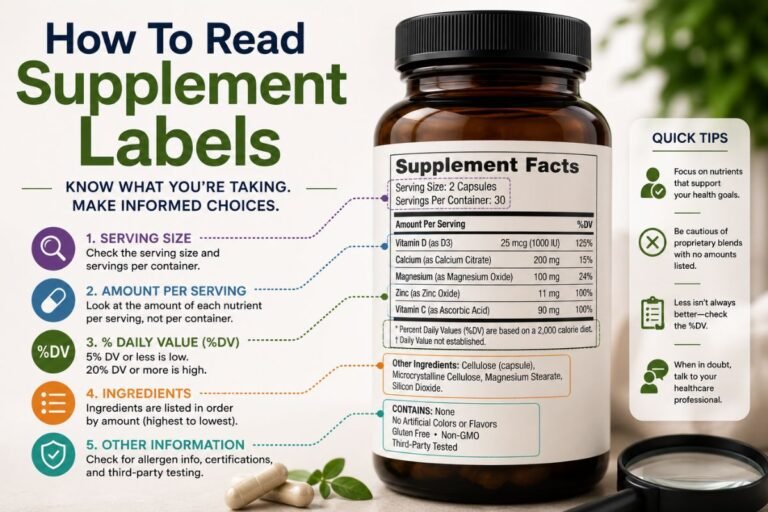
- Review ingredient labels carefully.
- Follow the recommended serving size.
- Avoid products with excessive added sugars if possible.
Reading customer reviews and consulting a healthcare provider can also help you select a product that meets your needs.
Indo Health is dedicated to helping you discover the best and most trusted dietary supplements available in the United States.
Final Thoughts
Elderberry supplements continue to grow in popularity among Americans seeking natural wellness support. Rich in antioxidants and widely used for immune health, elderberry may offer several potential benefits when used responsibly. However, like any dietary supplement, it is important to understand possible side effects, medication interactions, and limitations of current research.
By choosing high-quality products and following recommended usage guidelines, consumers can make more informed decisions about whether elderberry supplements fit into their overall health and wellness plan.
Health Disclaimer: This article is for informational and educational purposes only and should not be considered medical advice. Dietary supplements are not intended to diagnose, treat, cure, or prevent any disease. Always consult a qualified healthcare professional before starting any new supplement, especially if you are pregnant, nursing, taking medications, or have an existing medical condition.