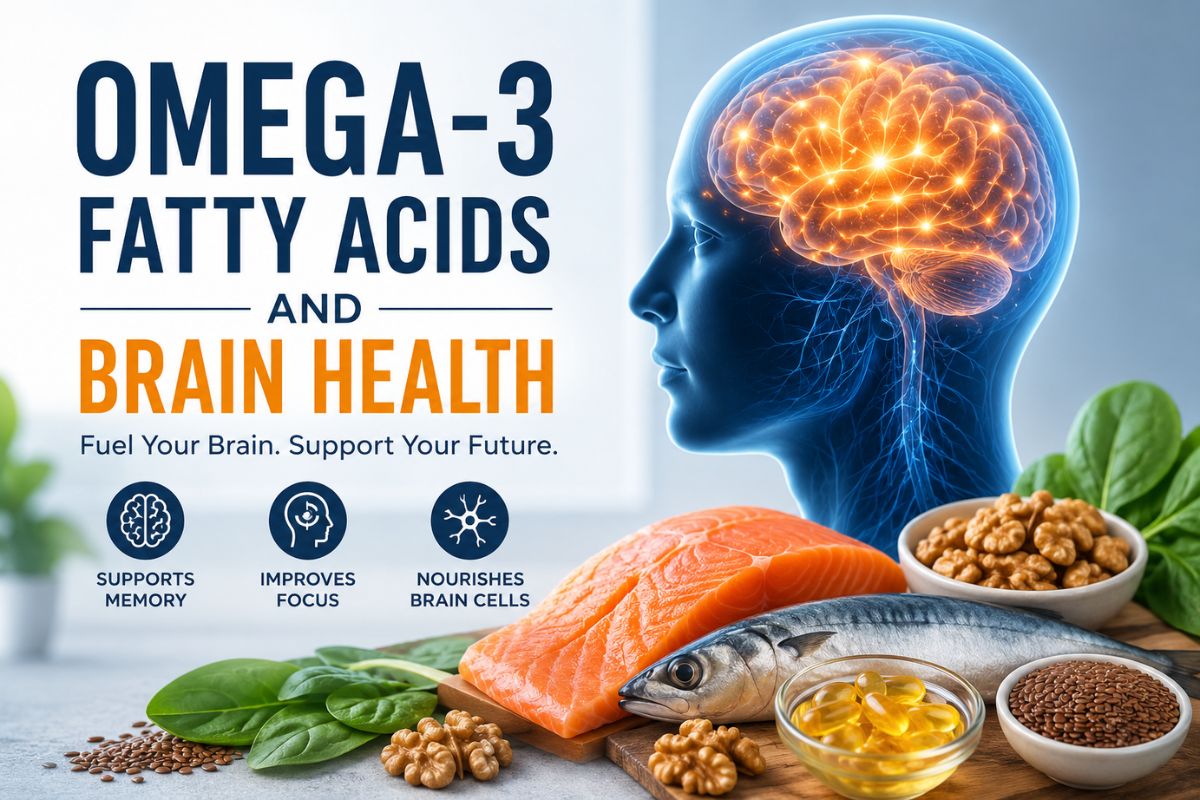
Omega-3 Fatty Acids and Brain Health
Omega-3 fatty acids have become one of the most talked-about nutrients in the health and wellness industry. From supporting heart health to promoting healthy aging, these essential fats play a vital role in overall well-being. One area that has received significant attention in recent years is the relationship between omega-3 fatty acids and brain health.
For millions of Americans looking to support memory, focus, and cognitive function, understanding the benefits of omega-3s can help them make informed dietary choices. This article explores what omega-3 fatty acids are, how they affect the brain, and the best ways to include them in a healthy lifestyle.
What Are Omega-3 Fatty Acids?
Omega-3 fatty acids are a group of essential polyunsaturated fats that the body cannot produce on its own. Because they are considered essential nutrients, they must be obtained through food or dietary supplements.
The three main types of omega-3 fatty acids include:
- ALA (Alpha-Linolenic Acid): Found primarily in plant foods such as flaxseeds, chia seeds, and walnuts.
- EPA (Eicosapentaenoic Acid): Commonly found in fatty fish and fish oil supplements.
- DHA (Docosahexaenoic Acid): Found in fish, seafood, and algae-based supplements.
Among these, DHA is especially important for brain health because it is a major structural component of brain tissue.
Why the Brain Needs Omega-3s
The human brain contains a high concentration of fats, and DHA makes up a significant portion of those fats. Healthy levels of DHA help maintain the structure and function of brain cell membranes, allowing neurons to communicate efficiently.
Omega-3 fatty acids support several key brain functions, including:
- Memory and learning
- Focus and attention
- Communication between brain cells
- Healthy aging of the brain
- Maintenance of cognitive performance
Because the brain relies heavily on DHA, inadequate intake may affect cognitive function over time.
Omega-3s and Cognitive Function
Many Americans are interested in preserving cognitive health as they age. Researchers have studied omega-3 fatty acids extensively for their potential role in supporting memory and mental performance.
Some studies suggest that individuals who regularly consume fish rich in omega-3s may experience better cognitive function compared to those who consume little or no seafood. While research continues to evolve, maintaining adequate omega-3 intake is generally considered part of a brain-healthy lifestyle.
Omega-3s may help support:
- Short-term memory
- Mental clarity
- Concentration
- Learning abilities
- Overall cognitive performance
It’s important to note that omega-3s are not a cure for cognitive decline or neurological conditions. However, they are recognized as an important nutrient for maintaining normal brain function.
Omega-3s and Mood Support
The brain’s health is closely linked to emotional well-being. Researchers have explored the relationship between omega-3 intake and mood regulation for many years.
EPA and DHA appear to play roles in supporting normal communication between brain cells and maintaining healthy neurological function. Some research suggests that people with lower omega-3 intake may have lower levels of these important fatty acids in their tissues.
While omega-3 supplements should never replace professional medical treatment, maintaining sufficient dietary intake may support overall mental wellness as part of a balanced lifestyle.
Best Food Sources of Omega-3 Fatty Acids
The good news is that many delicious foods provide omega-3 fatty acids naturally. Americans can increase their intake by including the following foods in their diets:
Fatty Fish
Fatty fish are among the richest sources of EPA and DHA.
Examples include:
- Salmon
- Sardines
- Mackerel
- Herring
- Tuna
- Anchovies
Health experts often recommend eating fish at least twice per week as part of a balanced diet.
Plant-Based Sources
For individuals following vegetarian or vegan diets, plant foods provide ALA, which the body can partially convert into EPA and DHA.
Good sources include:
- Flaxseeds
- Chia seeds
- Walnuts
- Hemp seeds
- Soybeans
Algae-Based Sources
Algae-based supplements provide DHA directly and are popular among vegetarians and vegans seeking an alternative to fish oil.
Should You Consider Omega-3 Supplements?
Many Americans use omega-3 supplements to help fill nutritional gaps in their diets. Fish oil supplements remain among the most popular dietary supplements in the United States.
Supplementation may be worth discussing with a healthcare professional if you:
- Rarely eat fish
- Follow a vegetarian or vegan diet
- Want additional nutritional support for overall wellness
When choosing an omega-3 supplement, look for products from reputable manufacturers that undergo quality testing for purity and potency.
Tips for Supporting Brain Health Naturally
While omega-3 fatty acids are important, they are only one piece of the puzzle. Additional habits that may help support brain health include:
- Eating a balanced diet rich in fruits and vegetables
- Exercising regularly
- Getting adequate sleep
- Managing stress effectively
- Staying socially engaged
- Challenging the brain through learning and mental activities
Combining these habits with adequate omega-3 intake can help support overall cognitive wellness.
Visit our website, Indo Health, to choose and find the best dietary supplements in the United States.
Final Thoughts
Omega-3 fatty acids are essential nutrients that play an important role in maintaining healthy brain structure and function. DHA, in particular, is a major component of brain tissue and supports communication between brain cells. Whether obtained through fatty fish, plant foods, or high-quality supplements, omega-3s can be an important part of a healthy lifestyle.
For Americans focused on long-term wellness, maintaining adequate omega-3 intake alongside healthy eating, regular exercise, and quality sleep may help support cognitive function and overall brain health for years to come.