Supplements That May Support a Healthy Immune System
A strong immune system plays a vital role in helping the body defend itself against everyday environmental challenges. While no supplement can prevent illness or replace healthy lifestyle habits, certain nutrients may help support normal immune function when combined with a balanced diet, regular exercise, quality sleep, and stress management.
In the United States, millions of adults take dietary supplements as part of their wellness routine. According to national surveys, vitamins, minerals, and herbal supplements are among the most commonly used products for supporting overall health and immune wellness. Understanding which supplements may contribute to healthy immune function can help consumers make informed decisions.
Why Immune Health Matters
The immune system is a complex network of cells, tissues, and organs that work together to protect the body. It helps identify and respond to potential threats while maintaining a balance that supports overall well-being.
Many factors can influence immune health, including age, stress levels, sleep quality, physical activity, and nutrition. When the body lacks certain essential nutrients, normal immune function may be affected. This is one reason why maintaining adequate nutrient intake is important throughout life.
Vitamin D
Vitamin D is one of the most studied nutrients for immune health. Known as the “sunshine vitamin,” it is produced by the body when skin is exposed to sunlight. However, many Americans have lower-than-optimal vitamin D levels, particularly during winter months or when spending limited time outdoors.
Vitamin D helps support the normal functioning of immune cells and contributes to overall health. Because dietary sources are relatively limited, some individuals choose supplements to help meet their daily needs.
Common dietary sources include fatty fish, fortified milk, and fortified cereals.
Vitamin C
Vitamin C is perhaps the most popular immune-support nutrient in the United States. This powerful antioxidant helps protect cells from oxidative stress and supports various immune system functions.
The body does not produce or store vitamin C, making regular intake essential. While many people obtain sufficient amounts through fruits and vegetables, supplements remain a popular option for those looking to support their daily nutritional intake.
Foods rich in vitamin C include oranges, strawberries, bell peppers, broccoli, and kiwi.
Zinc
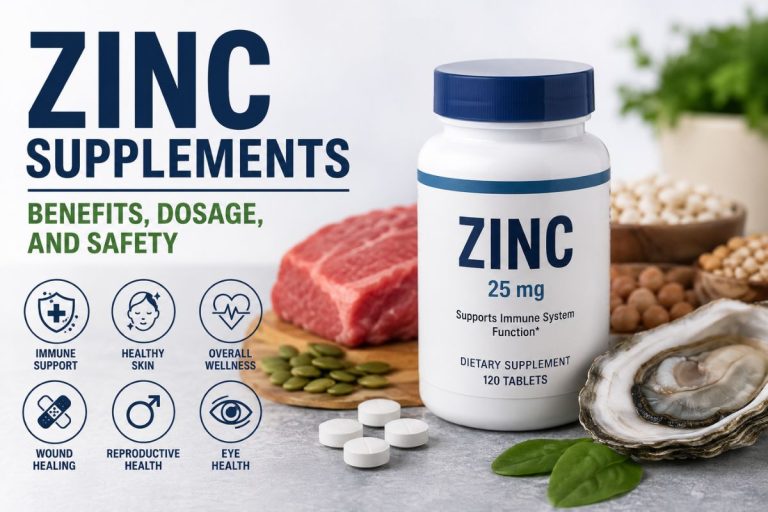
Zinc is an essential mineral involved in numerous biological processes, including immune function. It supports the development and communication of immune cells and plays a role in maintaining the body’s natural defense mechanisms.
Because the body does not store large amounts of zinc, consistent dietary intake is important. Some adults may choose zinc supplements if they are concerned about meeting their nutritional requirements.
Good food sources of zinc include oysters, beef, poultry, beans, nuts, and whole grains.
Elderberry
Elderberry has gained popularity in recent years as a wellness supplement. Derived from the berries of the elder tree, elderberry contains naturally occurring antioxidants called anthocyanins.
Many consumers incorporate elderberry products into their seasonal wellness routines. Elderberry is commonly available in syrups, gummies, capsules, and lozenges.
While elderberry continues to be an area of scientific interest, it is best viewed as a supplement that may complement an overall healthy lifestyle rather than a replacement for good nutrition and preventive health practices.
Probiotics
The digestive tract plays an important role in overall health, and researchers have increasingly explored the connection between gut health and immune function.
Probiotics are beneficial microorganisms that may help maintain a healthy balance of bacteria in the gut. Because a significant portion of the immune system is associated with the digestive tract, supporting gut health has become a popular wellness strategy.
Probiotics are found in fermented foods such as yogurt, kefir, sauerkraut, and kimchi, as well as dietary supplements.
Vitamin A
Vitamin A contributes to the maintenance of healthy skin and mucosal tissues, which serve as important physical barriers within the body’s defense system. It also supports normal immune function and cellular health.
Most Americans can obtain adequate vitamin A through foods such as sweet potatoes, carrots, spinach, and dairy products. However, some individuals may use supplements as part of their overall nutrition plan.
As with any nutrient, excessive intake should be avoided, particularly from supplements.
Selenium
Selenium is a trace mineral that acts as an antioxidant and supports various biological functions, including immune health. Although only small amounts are required, selenium is considered an important nutrient for overall wellness.
Brazil nuts are one of the richest dietary sources of selenium, while seafood, poultry, eggs, and whole grains also provide meaningful amounts.
Individuals considering selenium supplements should be mindful of dosage recommendations, as excessive intake can be harmful.
The Importance of Lifestyle Habits
While supplements may help support healthy immune function, they work best when combined with healthy lifestyle practices. Key habits that contribute to overall immune wellness include:
- Eating a balanced diet rich in fruits and vegetables
- Getting seven to nine hours of sleep per night
- Staying physically active
- Managing stress effectively
- Drinking enough water throughout the day
- Avoiding smoking and excessive alcohol consumption
- Keeping up with recommended preventive healthcare measures
No supplement can replace these foundational health habits.
Choosing Quality Supplements
The U.S. supplement market offers thousands of products, making quality an important consideration. Consumers should look for products manufactured according to recognized quality standards and consider third-party testing when available.
Reading labels carefully, following dosage instructions, and discussing supplement use with a healthcare professional can help ensure safe and appropriate use.
Indo Health is dedicated to helping you discover the best and most trusted dietary supplements available in the United States.
Conclusion
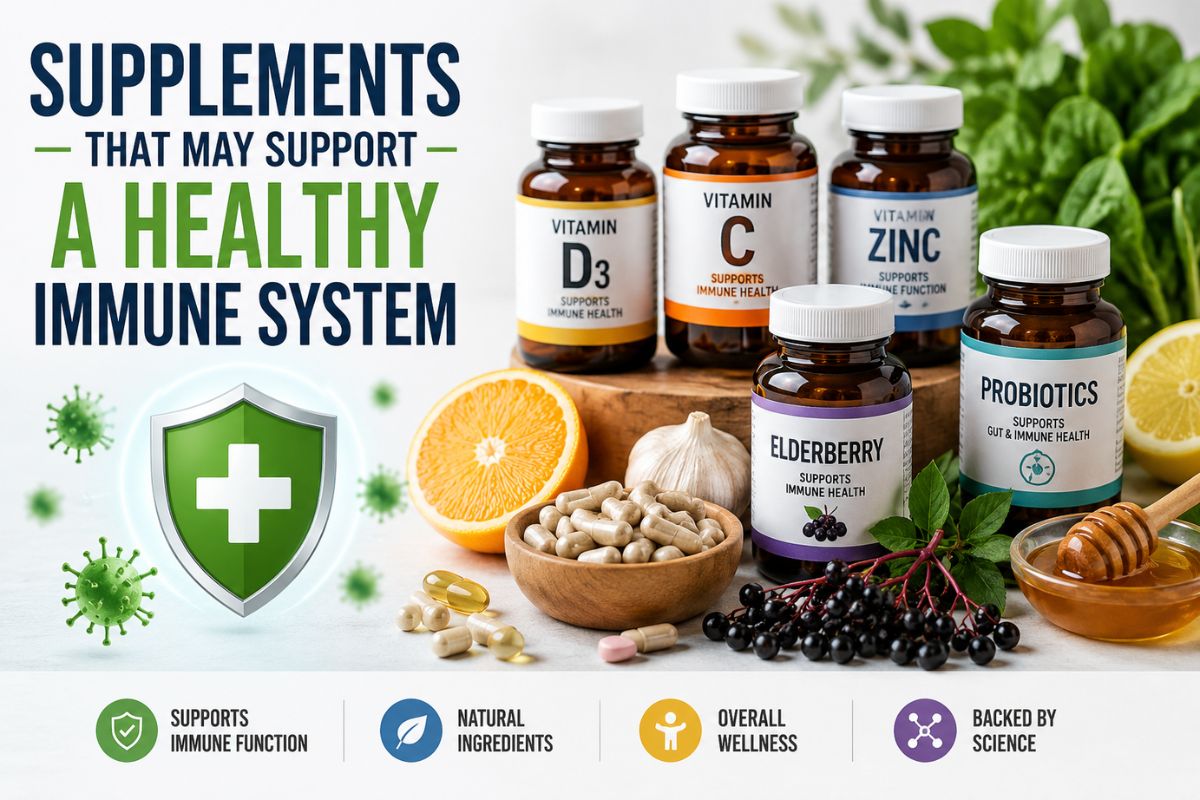
Supporting a healthy immune system involves a combination of proper nutrition, healthy lifestyle choices, and informed supplementation when appropriate. Nutrients such as vitamin D, vitamin C, zinc, vitamin A, selenium, probiotics, and elderberry are among the most popular options used by Americans seeking to support overall immune wellness.
Although supplements may help fill nutritional gaps and contribute to normal immune function, they are most effective as part of a comprehensive approach to health that includes balanced eating, regular physical activity, adequate sleep, and routine medical care.
Health Disclaimer
This article is for informational and educational purposes only and is not intended as medical advice. Dietary supplements are not intended to diagnose, treat, cure, or prevent any disease. Always consult a qualified healthcare professional before starting any supplement, especially if you are pregnant, nursing, taking medications, or have an existing medical condition.