How Vitamin K2 Supports Bone Health
Strong bones are essential for maintaining mobility, independence, and overall quality of life as we age. While most Americans are familiar with the importance of calcium and vitamin D for bone health, fewer people know about the critical role of vitamin K2. This lesser-known nutrient helps direct calcium to the bones where it is needed most, making it an important part of a healthy bone-support regimen.
In recent years, vitamin K2 has gained attention among health professionals and researchers for its potential benefits in supporting bone density and long-term skeletal health. Understanding how vitamin K2 works can help individuals make informed decisions about their nutrition and wellness.
What Is Vitamin K2?
Vitamin K2 is a fat-soluble vitamin that belongs to the vitamin K family. While vitamin K1 is primarily involved in blood clotting and is found in leafy green vegetables, vitamin K2 has different functions and is commonly found in fermented foods, certain dairy products, egg yolks, and some animal-based foods.
Vitamin K2 exists in several forms known as menaquinones, with MK-4 and MK-7 being among the most studied. These forms help activate specific proteins that play important roles in bone and cardiovascular health.
Why Bone Health Matters
Bone health becomes increasingly important as people get older. According to health experts, bone density naturally declines with age, especially in postmenopausal women. This can increase the risk of fractures and conditions such as osteoporosis.
In the United States, millions of adults are affected by low bone mass or osteoporosis. Maintaining healthy bones requires a combination of factors, including adequate nutrition, regular physical activity, and healthy lifestyle habits.
While calcium often receives the most attention, simply consuming more calcium is not always enough. The body also needs nutrients that help ensure calcium is used effectively.
How Vitamin K2 Supports Bone Health
One of the primary ways vitamin K2 supports bone health is by activating a protein called osteocalcin. Osteocalcin is produced by bone-forming cells known as osteoblasts.
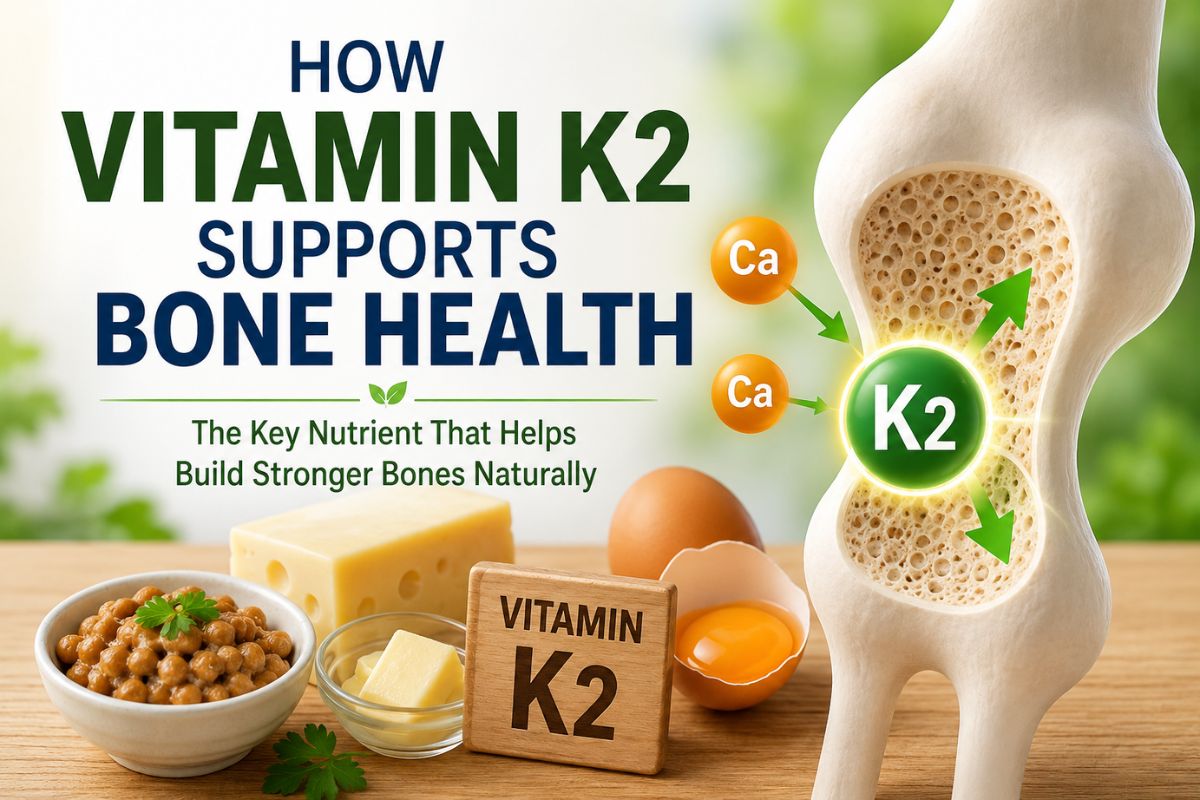
When activated by vitamin K2, osteocalcin helps bind calcium to the bone matrix. This process allows calcium to be incorporated into bones more efficiently, contributing to bone strength and mineralization.
Without adequate vitamin K2, osteocalcin may remain inactive, reducing its ability to help direct calcium into bone tissue. As a result, calcium may not be utilized as effectively for maintaining strong and healthy bones.
The Connection Between Vitamin K2 and Calcium
Many Americans take calcium supplements to support bone health. However, calcium works best when combined with other nutrients that help regulate its movement throughout the body.
Vitamin K2 acts like a traffic director for calcium. It helps guide calcium toward bones and teeth while supporting normal calcium distribution in other tissues. This complementary relationship has made vitamin K2 a popular addition to bone health supplement formulas.
Researchers continue to study how vitamin K2 and calcium work together to support healthy aging and skeletal strength.
Vitamin K2 and Vitamin D: A Powerful Combination
Vitamin D is another nutrient that plays a major role in bone health. It helps the body absorb calcium from food and supplements.
However, after calcium is absorbed, the body still needs a mechanism to help utilize it properly. This is where vitamin K2 becomes important.
Many health professionals view vitamins D and K2 as complementary nutrients. Vitamin D helps increase calcium absorption, while vitamin K2 helps activate proteins that support calcium utilization within the bones.
Because of this relationship, many bone-support supplements contain both vitamin D3 and vitamin K2.
Food Sources of Vitamin K2
Although vitamin K2 is not as common in the American diet as some other nutrients, it can be found in several foods, including:
- Fermented foods such as natto
- Certain aged cheeses
- Egg yolks
- Butter from grass-fed cows
- Chicken and beef liver
- Some dairy products
Natto, a traditional fermented soybean food, is one of the richest sources of vitamin K2. However, because it is not widely consumed in the United States, many Americans may not get significant amounts of K2 through diet alone.
Should You Consider a Vitamin K2 Supplement?
Some individuals choose vitamin K2 supplements as part of their bone health strategy, particularly when dietary intake may be limited.
Vitamin K2 supplements are commonly available in MK-7 and MK-4 forms. Many products also combine vitamin K2 with vitamin D3 to provide comprehensive bone-support nutrition.
Before starting any dietary supplement, it is important to consult a healthcare provider, especially for individuals taking blood-thinning medications or managing specific health conditions.
Lifestyle Tips for Strong Bones
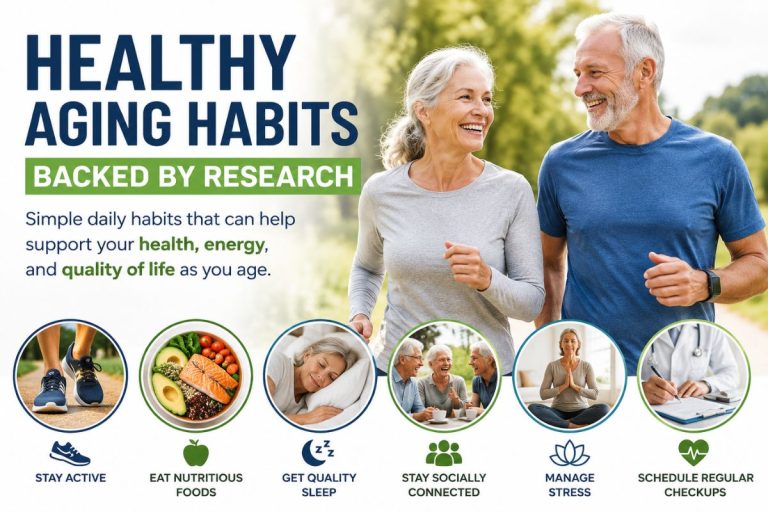
In addition to obtaining enough vitamin K2, several healthy habits can help support strong bones:
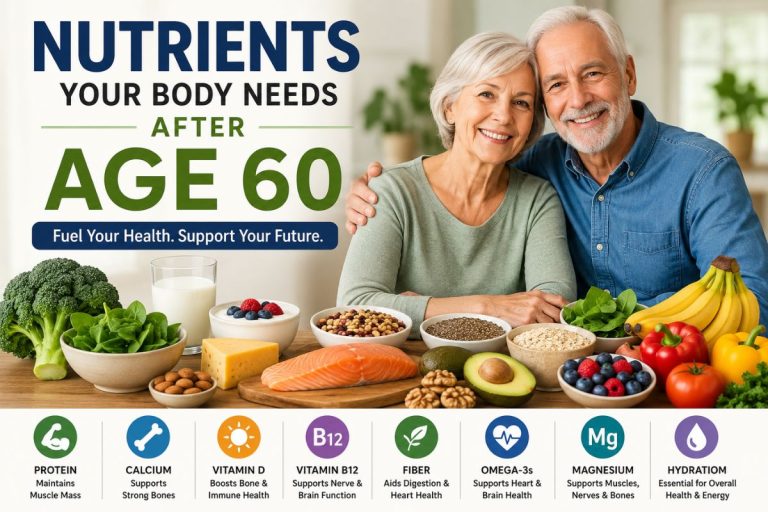
- Eat a balanced diet rich in calcium and protein
- Maintain adequate vitamin D levels
- Participate in weight-bearing exercise
- Avoid smoking
- Limit excessive alcohol consumption
- Maintain a healthy body weight
These lifestyle practices work together to promote overall skeletal health and healthy aging.
Final Thoughts
Vitamin K2 is an important but often overlooked nutrient that plays a valuable role in supporting bone health. By activating proteins involved in bone mineralization, vitamin K2 helps the body utilize calcium more effectively and contributes to maintaining strong bones throughout life.
For Americans looking to support healthy aging and bone strength, understanding the relationship between vitamin K2, calcium, and vitamin D can be an important step toward better long-term wellness. Combined with a nutritious diet and active lifestyle, vitamin K2 may be a valuable component of a comprehensive bone health plan.