Nutrients Your Body Needs After Age 60
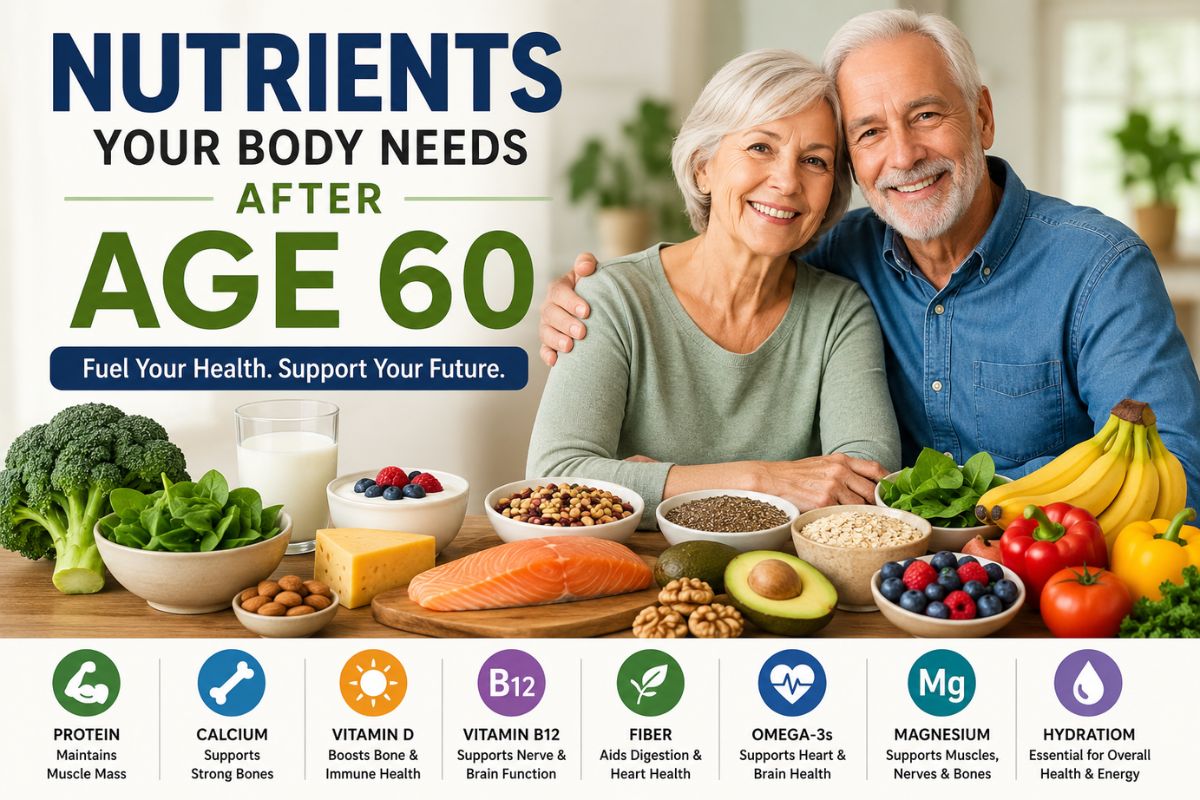
As we age, our nutritional needs change. After age 60, the body naturally experiences shifts in metabolism, muscle mass, bone density, and nutrient absorption. While a balanced diet remains the foundation of good health, understanding which nutrients become especially important can help older adults maintain energy, mobility, cognitive function, and overall well-being.
For millions of Americans over 60, focusing on nutrient-rich foods and addressing potential deficiencies can play a key role in healthy aging. Here are some of the most important nutrients your body needs after age 60 and why they matter.
Protein: Essential for Muscle Health
One of the biggest concerns associated with aging is the gradual loss of muscle mass, known as sarcopenia. This process can affect strength, balance, and independence.
Protein helps maintain and repair muscle tissue while supporting immune function and recovery from illness or injury. Many older adults do not consume enough protein throughout the day.
Good sources of protein include:
- Lean poultry and fish
- Eggs
- Greek yogurt
- Beans and lentils
- Tofu and soy products
- Nuts and seeds
Including a protein source at every meal can help support healthy muscle maintenance as you age.
Calcium: Building and Maintaining Strong Bones
Bone density naturally decreases with age, increasing the risk of fractures and osteoporosis. Calcium is essential for maintaining strong bones and teeth.
Women, especially after menopause, may face a greater risk of bone loss, but calcium is important for both men and women over 60.
Excellent calcium sources include:
- Milk and dairy products
- Fortified plant-based milks
- Yogurt
- Cheese
- Kale and collard greens
- Calcium-fortified foods
Meeting daily calcium needs through food is ideal, though some individuals may discuss supplementation with their healthcare provider.
Vitamin D: Supporting Bone and Immune Health
Vitamin D works alongside calcium to support bone strength. It also plays a role in immune function and muscle performance.
As people age, their skin becomes less efficient at producing vitamin D from sunlight. Many older Americans spend less time outdoors, which can further contribute to lower vitamin D levels.
Sources of vitamin D include:
- Fatty fish such as salmon and tuna
- Egg yolks
- Fortified dairy products
- Fortified cereals
- Sensible sun exposure
A healthcare provider may recommend testing vitamin D levels if deficiency is suspected.
Vitamin B12: Important for Nerve and Brain Function
Vitamin B12 helps support healthy nerves, red blood cell production, and cognitive function. Unfortunately, the body’s ability to absorb vitamin B12 often decreases with age.
Low B12 levels can contribute to fatigue, memory problems, weakness, and nerve-related symptoms.
Foods rich in vitamin B12 include:
- Fish
- Meat
- Poultry
- Eggs
- Dairy products
- Fortified breakfast cereals
Older adults who have difficulty absorbing B12 may benefit from fortified foods or supplements under medical guidance.
Fiber: Promoting Digestive and Heart Health
Fiber becomes increasingly important with age. It supports digestive health, helps maintain regular bowel movements, and may contribute to healthy cholesterol levels.
Many Americans consume significantly less fiber than recommended.
High-fiber foods include:
- Whole grains
- Fruits
- Vegetables
- Beans
- Lentils
- Nuts and seeds
Increasing fiber intake gradually and drinking adequate water can help prevent digestive discomfort.
Omega-3 Fatty Acids: Supporting Heart and Brain Health
Omega-3 fatty acids are healthy fats that may support cardiovascular health and cognitive function. They can also help promote healthy aging overall.
Key sources include:
- Salmon
- Sardines
- Mackerel
- Walnuts
- Chia seeds
- Flaxseeds
Including fatty fish in your weekly meal plan is one of the easiest ways to increase omega-3 intake.
Magnesium: Supporting Multiple Body Functions
Magnesium is involved in hundreds of bodily processes, including muscle function, nerve signaling, blood sugar regulation, and bone health.
Older adults may not always consume enough magnesium-rich foods.
Good sources include:
- Almonds
- Pumpkin seeds
- Spinach
- Black beans
- Whole grains
- Avocados
Adequate magnesium intake can contribute to overall health and wellness during the aging process.
Potassium: Helping Maintain Healthy Blood Pressure
Potassium works alongside sodium to support healthy blood pressure levels and proper muscle function.
Many fruits and vegetables naturally provide potassium, including:
- Bananas
- Sweet potatoes
- Tomatoes
- Oranges
- Spinach
- Beans
Eating a variety of produce can help ensure adequate potassium intake while providing other beneficial nutrients.
Antioxidants: Protecting Cells from Oxidative Stress
Antioxidants help protect cells from damage caused by free radicals. While aging is a natural process, antioxidants may help support healthy aging by reducing oxidative stress.
Foods rich in antioxidants include:
- Berries
- Dark leafy greens
- Sweet potatoes
- Tomatoes
- Green tea
- Colorful fruits and vegetables
A colorful plate is often a good indicator of a diet rich in beneficial antioxidants.
Hydration: An Often Overlooked Need
Although not technically a nutrient, water becomes increasingly important after age 60. Older adults may not feel thirst as strongly as younger individuals, increasing the risk of dehydration.
Proper hydration supports:
- Digestion
- Joint function
- Energy levels
- Cognitive performance
- Overall health
Drinking water consistently throughout the day can help maintain proper hydration.
Indo Health is dedicated to helping you discover the best and most trusted dietary supplements available in the United States.
Final Thoughts
Healthy aging involves more than simply eating less or avoiding unhealthy foods. After age 60, paying attention to specific nutrients such as protein, calcium, vitamin D, vitamin B12, fiber, omega-3 fatty acids, magnesium, and potassium can support long-term wellness and quality of life.
A balanced diet rich in whole foods remains the best strategy for meeting nutritional needs. However, individual requirements vary, and some adults may benefit from personalized nutritional guidance based on their health status, medications, and lifestyle.
Health Disclaimer
This article is for informational and educational purposes only and should not be considered medical advice. Always consult a qualified healthcare professional before making significant changes to your diet, starting new supplements, or addressing specific health concerns.