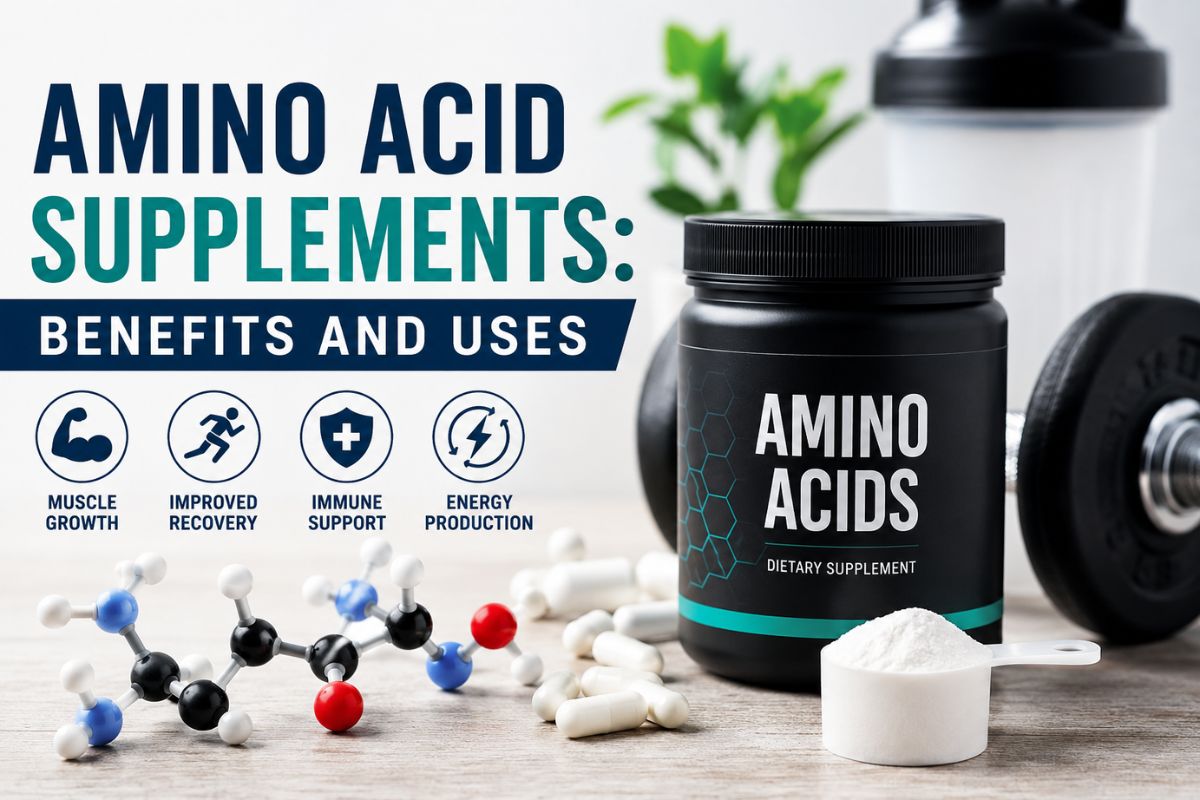
Amino Acid Supplements: Benefits and Uses
Quick Answer
Amino acid supplements may help support muscle growth, exercise recovery, protein synthesis, and overall health, particularly for athletes and individuals with increased protein needs. While many people can obtain sufficient amino acids through a balanced diet, supplements may help fill nutritional gaps when used responsibly. Always choose high-quality, third-party tested products and consult a healthcare professional if you have underlying medical conditions.
Amino acid supplements have become increasingly popular among athletes, fitness enthusiasts, and individuals looking to support their overall health. These supplements are often marketed for muscle growth, exercise recovery, energy production, and improved physical performance. But are amino acid supplements right for everyone?
The short answer is that amino acid supplements may offer benefits for certain people, especially those with increased protein needs, intense training schedules, or specific nutritional deficiencies. However, they should complement a healthy diet rather than replace it.
This guide explains what amino acid supplements are, their potential benefits, common uses, possible side effects, and how to choose the right supplement based on your individual health goals.
What Are Amino Acid Supplements?
Amino acids are often called the “building blocks of protein.” Your body uses them to build muscles, repair tissues, produce enzymes and hormones, support immune function, and maintain many other essential biological processes.
There are 20 amino acids that help build proteins in the human body. These are divided into three categories:
Essential Amino Acids (EAAs)
Essential amino acids cannot be produced by the body and must come from food or dietary supplements. They include:
- Leucine
- Isoleucine
- Valine
- Lysine
- Methionine
- Phenylalanine
- Threonine
- Tryptophan
- Histidine
Non-Essential Amino Acids
Your body can produce these amino acids naturally, including:
- Alanine
- Asparagine
- Aspartic acid
- Glutamic acid
Conditionally Essential Amino Acids
These amino acids are usually produced by the body but may become essential during illness, injury, surgery, or periods of physical stress. Examples include glutamine, arginine, cysteine, glycine, proline, and tyrosine.
Amino acid supplements may contain individual amino acids, branched-chain amino acids (BCAAs), or complete essential amino acid blends.
Benefits of Amino Acid Supplements
1. May Support Muscle Growth
One of the primary reasons people take amino acid supplements is to support muscle protein synthesis.
Essential amino acids—particularly leucine—play an important role in stimulating muscle-building pathways after resistance exercise. When combined with regular strength training and adequate dietary protein, amino acid supplements may help support lean muscle development.
2. May Improve Exercise Recovery
Intense workouts can lead to temporary muscle soreness and tissue breakdown.
Some research suggests that amino acid supplementation may help reduce exercise-induced muscle damage and promote faster recovery, allowing individuals to return to training sooner.
3. May Help Preserve Muscle During Weight Loss
During calorie-restricted diets, the body may lose both fat and muscle mass.
Adequate protein intake and amino acid supplementation may help support muscle maintenance while reducing body fat, particularly when combined with resistance training.
4. May Support Healthy Immune Function
Certain amino acids, including glutamine, play a role in supporting immune cells during periods of physical stress or illness.
Although healthy individuals generally obtain sufficient glutamine through food, supplementation may benefit people recovering from major illness or surgery under medical supervision.
5. May Support Energy Production
Amino acids are involved in numerous metabolic processes that help convert nutrients into usable energy.
While they are not a replacement for carbohydrates, adequate amino acid intake contributes to normal energy metabolism and healthy muscle function.
6. May Promote Tissue Repair
Protein is necessary for repairing muscles, skin, tendons, and other body tissues.
Individuals recovering from injuries, surgery, or intense physical activity may require additional protein and amino acids to support normal healing.
Common Uses of Amino Acid Supplements
Amino acid supplements are commonly used by:
- Strength athletes
- Bodybuilders
- Endurance runners
- Cyclists
- Older adults aiming to maintain muscle mass
- Individuals with increased protein requirements
- People recovering from injury under healthcare guidance
For healthy adults consuming enough high-quality protein, additional amino acid supplements may not always provide significant extra benefits.
Food Sources of Amino Acids
Most people can obtain adequate amino acids through a balanced diet.
Excellent dietary sources include:
- Lean chicken
- Turkey
- Fish
- Eggs
- Greek yogurt
- Cottage cheese
- Milk
- Soy products
- Lentils
- Beans
- Quinoa
- Nuts and seeds
Whole foods provide not only amino acids but also vitamins, minerals, healthy fats, and other beneficial nutrients.
Are BCAAs Better Than Essential Amino Acids?
Branched-chain amino acids (BCAAs) contain three essential amino acids:
- Leucine
- Isoleucine
- Valine
While BCAAs have been widely used in sports nutrition, many experts now suggest that complete essential amino acid (EAA) supplements may provide broader support for muscle protein synthesis because they contain all nine essential amino acids required to build new proteins.
If your overall dietary protein intake is already adequate, additional BCAA supplementation may offer limited benefits compared with consuming complete protein sources.
Possible Side Effects
Most amino acid supplements are generally well tolerated when used according to the manufacturer’s directions.
However, some individuals may experience:
- Mild digestive discomfort
- Nausea
- Bloating
- Stomach upset
People with kidney disease, liver disease, metabolic disorders, or those who are pregnant or breastfeeding should consult a healthcare professional before using amino acid supplements.
It is also important to avoid taking excessive amounts, as more is not always better.
How to Choose an Amino Acid Supplement
When shopping for amino acid supplements, consider the following factors:
Look for Third-Party Testing
Choose products that have been independently tested for quality, purity, and ingredient accuracy.
Read the Ingredient List
Select supplements with transparent labeling and avoid products containing unnecessary fillers or proprietary blends that do not disclose ingredient amounts.
Match the Supplement to Your Goal
Different formulations may be suitable for different purposes:
- Essential amino acids for overall muscle support
- BCAAs for convenient workout supplementation
- Glutamine for specific recovery situations
- Individual amino acids for healthcare-directed nutritional needs
Follow Recommended Serving Sizes
Always follow the dosage instructions provided on the product label unless advised otherwise by a healthcare provider.
Indo Health is dedicated to helping you discover the best and most trusted dietary supplements available in the United States.
Frequently Asked Questions
Are amino acid supplements necessary?
Not always. Most healthy adults who consume enough protein from whole foods generally meet their amino acid requirements without supplementation.
Can amino acid supplements replace protein powder?
No. Amino acid supplements provide selected amino acids, while protein powders typically contain complete proteins along with additional nutrients.
When should amino acid supplements be taken?
Many people choose to take them before, during, or after exercise, although timing may vary depending on the product and individual goals.
Who may benefit most?
Athletes, older adults with reduced protein intake, individuals recovering from illness, and people with increased nutritional needs may benefit under appropriate guidance.
Final Thoughts
Amino acid supplements may support muscle recovery, protein synthesis, exercise performance, and overall wellness when used alongside a balanced diet and regular physical activity. However, supplements are not a substitute for nutritious whole foods or healthy lifestyle habits.
Before starting any dietary supplement, consider your current diet, health status, and fitness goals. Choosing a high-quality product and using it responsibly can help you make informed decisions that support your long-term health and well-being.
Health Disclaimer: This article is intended for informational and educational purposes only and should not be considered medical advice. Dietary supplements are not intended to diagnose, treat, cure, or prevent any disease. Always consult a qualified healthcare professional before starting any new supplement, especially if you are pregnant, breastfeeding, taking medications, or have an underlying medical condition.
References
- NIH Office of Dietary Supplements – Dietary Supplements
- MedlinePlus – Amino Acids
- Harvard T.H. Chan School of Public Health – The Nutrition Source – Protein
- PubMed – Essential Amino Acids and Muscle Protein Synthesis
- Mayo Clinic – Protein: Why Your Body Needs It