Top Supplements for Memory and Cognitive Function
As Americans live longer and lead increasingly busy lives, maintaining brain health has become a growing priority. Whether you’re a student preparing for exams, a professional juggling multiple responsibilities, or an older adult looking to support healthy aging, cognitive function plays a critical role in daily life. Memory, focus, learning ability, and mental clarity are all aspects of cognitive health that many people want to improve or preserve.
While a healthy lifestyle remains the foundation of brain health, certain dietary supplements may help support memory and cognitive function. In this article, we’ll explore some of the most popular supplements used for brain health and what current research suggests about their potential benefits.
Understanding Cognitive Health
Cognitive function refers to the mental processes involved in learning, remembering, problem-solving, and decision-making. Factors such as aging, stress, poor sleep, nutritional deficiencies, and lack of physical activity can affect cognitive performance over time.
Many Americans turn to supplements as part of a broader wellness strategy that includes balanced nutrition, regular exercise, quality sleep, and mental stimulation.
1. Omega-3 Fatty Acids
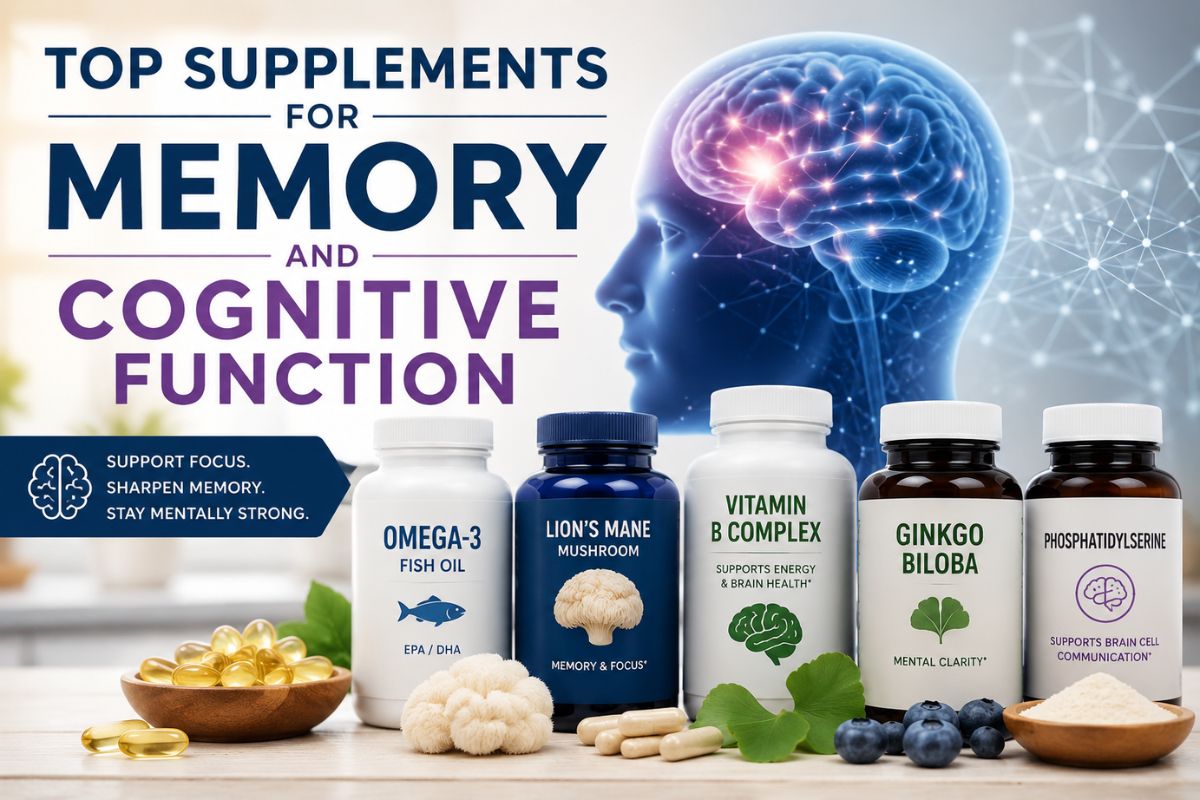
Omega-3 fatty acids are among the most researched nutrients for brain health. Found naturally in fatty fish such as salmon, mackerel, and sardines, omega-3s contain two important compounds: EPA and DHA.
DHA is a major structural component of the brain and is essential for maintaining healthy brain cells. Research suggests that adequate omega-3 intake may support memory, learning, and overall cognitive performance.
Individuals who consume little seafood may consider fish oil or algae-based omega-3 supplements to help meet their nutritional needs.
Potential Benefits:
- Supports healthy brain function
- May help maintain memory as people age
- Supports overall cardiovascular health
2. Vitamin B Complex
B vitamins play a crucial role in energy production and nervous system function. Vitamins B6, B12, and folate are particularly important for brain health because they help regulate homocysteine levels, an amino acid associated with cognitive decline when elevated.
Older adults are more likely to experience vitamin B12 deficiency, which can affect memory and concentration. Supplementation may be beneficial for those with inadequate dietary intake or diagnosed deficiencies.
Potential Benefits:
- Supports nerve health
- Helps maintain normal cognitive function
- May support mental energy and focus
3. Vitamin D
Vitamin D is well known for supporting bone health, but it also plays an important role in brain function. Studies have found associations between low vitamin D levels and reduced cognitive performance.
Because many Americans spend significant time indoors, vitamin D insufficiency remains common. Supplementation may help individuals maintain healthy levels, especially during winter months or in regions with limited sunlight.
Potential Benefits:
- Supports brain and nervous system health
- Helps maintain overall wellness
- Supports healthy aging
4. Ginkgo Biloba
Ginkgo biloba is one of the most popular herbal supplements used for cognitive support. Derived from one of the world’s oldest tree species, ginkgo has been used in traditional medicine for centuries.
Researchers believe ginkgo may support healthy blood circulation, including blood flow to the brain. While study results have been mixed, some evidence suggests it may help support memory and cognitive performance in certain individuals.
Potential Benefits:
- Supports mental alertness
- May help maintain memory function
- Provides antioxidant properties
5. Lion’s Mane Mushroom
Lion’s Mane mushroom has gained significant attention in the United States as a natural nootropic supplement. This unique mushroom contains compounds that may support nerve growth factor (NGF), a protein involved in brain cell maintenance.
Although research is still emerging, early studies suggest Lion’s Mane may support memory, focus, and cognitive performance.
Potential Benefits:
- Supports brain cell health
- May promote mental clarity
- Supports learning and memory
6. Magnesium
Magnesium is involved in hundreds of biochemical reactions throughout the body, including those related to brain function. Certain forms, such as magnesium L-threonate, have become popular for cognitive support because they may cross the blood-brain barrier more effectively.
Many Americans fail to meet recommended magnesium intake levels, making supplementation a common consideration.
Potential Benefits:
- Supports healthy nerve signaling
- May help promote relaxation and better sleep
- Supports overall cognitive wellness
7. Phosphatidylserine
Phosphatidylserine is a naturally occurring compound found in brain cell membranes. It helps maintain communication between brain cells and plays a role in memory and learning processes.
Some studies suggest that phosphatidylserine supplementation may support cognitive function, particularly in older adults experiencing age-related memory changes.
Potential Benefits:
- Supports memory retention
- Helps maintain healthy brain cell function
- Supports concentration and focus
Choosing Brain Health Supplements Wisely
When shopping for supplements, consumers should look for products from reputable manufacturers that follow quality testing standards. Third-party certifications can provide additional confidence in product quality and purity.
It’s also important to remember that supplements are not intended to diagnose, treat, cure, or prevent any disease. Results can vary depending on individual health status, diet, and lifestyle factors.
Final Thoughts
Brain health is a lifelong investment, and maintaining cognitive function requires a comprehensive approach. While supplements such as omega-3 fatty acids, B vitamins, vitamin D, ginkgo biloba, Lion’s Mane mushroom, magnesium, and phosphatidylserine may support memory and cognitive performance, they work best when combined with healthy habits.
Regular physical activity, a nutrient-rich diet, adequate sleep, stress management, and lifelong learning remain some of the most effective strategies for supporting brain health. Before starting any new supplement regimen, consult a qualified healthcare professional to determine what may be most appropriate for your individual needs.